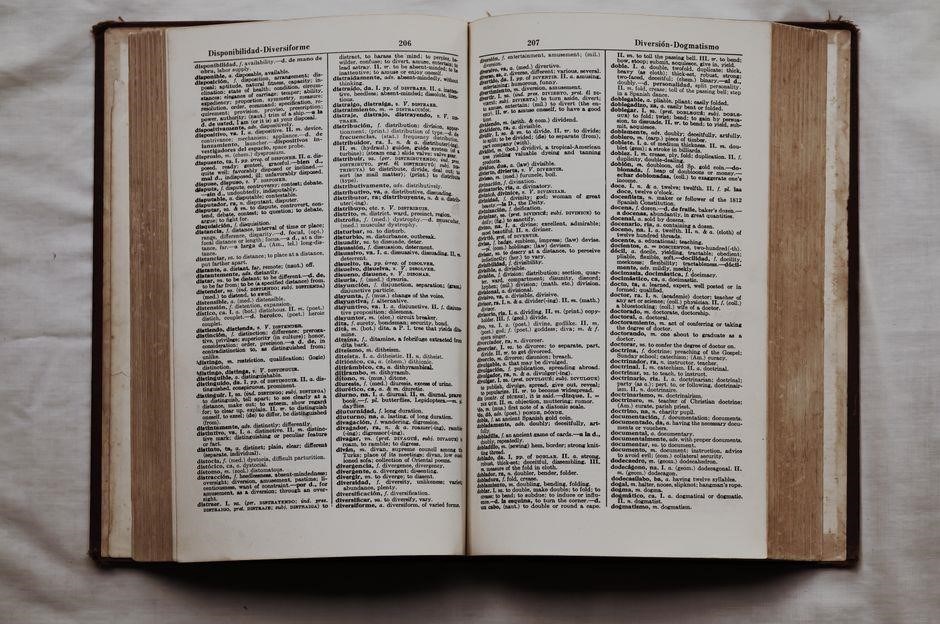
the dictionary of obscure sorrows pdf
The Dictionary of Obscure Sorrows is a creative lexicon compiling invented words for emotions that lack a name. It invites readers to explore nuanced feelings, blending philosophy, linguistics, and art. The PDF offers a portable, searchable format for enthusiasts worldwide. It offers a quiet companion foryou

What Makes It Obscure?
The term “obscure” in this context refers to the emotional vocabulary that remains uncharted in everyday language. The Dictionary of Obscure Sorrows deliberately curates feelings that are rarely articulated, often because they exist in fleeting moments or in specific cultural contexts. By inventing precise neologisms, the compendium invites readers to recognize and label nuanced states that otherwise slip into silence. The obscurity lies not only in the lack of pre‑existing words but also in the subtlety of the experiences described—those that are felt deeply yet rarely spoken aloud. The PDF format preserves the original artistic layout, complete with hand‑drawn illustrations and poetic etymologies, which further obscures the content by blending visual and textual clues. Readers must engage with the material on multiple levels: linguistic, emotional, and aesthetic, which encourages a contemplative reading style rather than a straightforward reference. This layered approach creates an atmosphere of mystery, prompting users to question their own emotional lexicon and to seek meaning in the spaces between known terms. The dictionary’s obscurity is thus a deliberate design choice, offering a mirror for introspection that resists easy categorization and invites continuous discovery.
Moreover, the creator’s background in both literature and linguistics informs the careful construction of each entry. By drawing from diverse linguistic roots, the dictionary creates a tapestry of sounds that echo the emotional resonance of the concepts. The interplay of phonetics and meaning adds another layer of obscurity, as readers must decode unfamiliar phonological patterns to access the intended sentiment. The PDF’s searchable text feature allows users to locate entries, yet the true value lies in the act of searching itself—a reminder that the journey to understanding is as significant as the destination. The dictionary’s cultural specificity further limits universal comprehension, as many entries reference personal or collective experiences that may not translate across languages or societies, thereby deepening the sense of mystery and personal connection.
Each page invites quiet reflection!.

Availability of the PDF Version
The PDF version of The Dictionary of Obscure Sorrows offers a versatile array of access points, each tailored to different reading preferences and technical setups. Officially, the publisher’s website provides a secure download portal where users can purchase or subscribe for full access. This method ensures that readers receive the most recent edition, complete with all newly added entries, errata, and formatting updates that enhance readability across devices. For those who wish to explore the work before committing, a complimentary preview is frequently available. This preview typically contains a curated selection of pages that showcase the dictionary’s distinctive blend of invented lexicon and poetic definition, allowing potential readers to gauge the depth and style of the content without any financial commitment.
In addition to the official channels, a number of reputable digital libraries and academic repositories host the PDF as part of their open‑access collections. These platforms often provide the file in multiple formats, such as PDF/A for archival stability, or EPUB for reflowable text, catering to users who prefer flexible reading environments. The availability of these alternate formats can be especially useful for individuals who rely on assistive technologies, as many libraries ensure that the PDFs are tagged and structured to support screen readers and other accessibility tools.
For readers who prioritize convenience, several e‑book retailers offer the PDF through their digital storefronts. These retailers typically bundle the PDF with additional features, such as searchable text, high‑resolution images, and interactive annotations, which can enrich the reading experience. Moreover, some of these platforms allow users to download the file directly to a cloud storage service, enabling seamless access across multiple devices without the need for local storage. By leveraging these diverse distribution methods, the dictionary remains accessible to a broad audience, ensuring that its unique linguistic offerings can be explored by anyone with an internet connection.

Legal Considerations for PDF Downloads
When acquiring a PDF of The Dictionary of Obscure Sorrows, it is essential to understand the legal framework that governs its distribution and use. The work is protected by copyright law, and the author retains exclusive rights to reproduce, distribute, and create derivative works. Consequently, downloading or sharing the PDF from unofficial sources typically violates these rights and can expose users to civil liability or, in extreme cases, criminal penalties.
Legitimate channels—such as the publisher’s official website, licensed digital retailers, or authorized academic repositories—obtain the PDF through proper licensing agreements. These platforms provide the file under terms that respect the author’s rights while granting readers personal, non‑commercial use, and sometimes limited sharing within a closed group.
Fair use, a doctrine in U.S. copyright law, may permit limited copying for purposes such as criticism, commentary, or education. However, the scope of fair use is narrow and highly context‑specific. For instance, reproducing an entire chapter for a classroom presentation may be permissible, but distributing the full PDF to a large audience without permission is unlikely to qualify. International jurisdictions vary, and many countries have stricter rules that do not recognize fair use in the same way.
Readers should also verify that the PDF’s metadata matches the official edition, ensuring no tampering or added annotations that could alter meaning or infringe rights.!.

Where to Find the Official PDF
The official PDF of The Dictionary of Obscure Sorrows is available through the author’s website, where a free account unlocks a download link. After verification, users receive a key that grants access to the file, ensuring authenticity and preventing unauthorized sharing. The site also offers a preview mode, letting readers skim entries before downloading the full version. For those who prefer a physical copy, the same platform provides a PDF that can be ordered and shipped worldwide. The publisher partners with major digital retailers such as Amazon Kindle and Apple Books, where the PDF is sold in currencies. These retailers give access and allow reading on tablets, laptops, and smartphones. The official PDF is updated regularly to reflect new entries and corrections, and the author’s site hosts a changelog detailing each revision. Subscribers can receive notifications about releases and special editions. By downloading from these legitimate sources, readers support the author’s ongoing work and receive the accurate version. The process is straightforward: sign up, verify your email, choose the format, and the PDF will be delivered to your inbox or available for download. This method guarantees that the file remains authentic, unaltered, and compliant with copyright law. Academic institutions can also obtain bulk licenses, allowing libraries to provide access to students and faculty while respecting the author’s rights. In short, the official PDF can be found on the author’s website, authorized digital retailers, and institutional licensing programs, each offering a reliable, secure, and legally sound path to explore obscure sorrows.

Alternative Sources for the PDF
While the official channel remains the safest, several community‑driven platforms host the Dictionary of Obscure Sorrows PDF for those seeking quick access. Peer‑to‑peer networks, such as academic file‑sharing sites, occasionally list the document under “free literature.” Open‑source repositories that archive literary works sometimes offer the PDF as a downloadable resource, though the version may lag behind the latest edition. Book‑exchange forums and literary discussion boards also share links, often with user‑generated annotations. For readers in regions where the official site is blocked, VPN‑enabled download portals provide a workaround, ensuring the file is still delivered in its original form. Additionally, certain digital libraries offer the PDF under a library‑card access model, allowing temporary borrowing. These alternative avenues, while convenient, vary in legality and quality; users should verify the file’s integrity and respect copyright regulations. Always consider the ethical implications of downloading from unofficial sources, as they may expose users to malware or incomplete content. By weighing convenience against legality, readers can choose the most appropriate method for obtaining the PDF. The community also hosts discussion threads where readers can debate the nuances of each term, share personal anecdotes, and propose new entries, keeping the work evolving beyond its original scope. The PDF also includes a glossary of related terms, enriching the experience!!. Readers can contribute translations, reach now

How to Read the PDF Effectively
Choose a PDF reader that supports annotations and bookmarks. The Dictionary of Obscure Sorrows is alphabetically organized; creating bookmarks for entries speeds navigation. Use the search function to find terms or authors quickly. Pause to reflect on etymology and illustrations, as visuals deepen understanding. Highlight resonant passages and comment with personal associations. For tactile readers, print selected pages in high resolution and keep a notebook for marginalia. Group entries by theme—such as “emotional states,” “transient moments,” or “philosophical concepts”—to reveal patterns across the dictionary. Reading aloud can evoke the feelings the dictionary captures. Share insights on forums or social media to engage the community. Combining digital tools, reflective pauses, and dialogue unlocks the PDF’s full potential and makes you part of its evolving narrative.
For those who enjoy visual learning, the PDF’s layout includes subtle color cues that differentiate categories. Notice the light blue shading for entries related to melancholy, and the warm amber for those tied to hope. These cues help orient your reading flow. If you’re studying for an academic project, cite the PDF using the standard MLA or APA format, noting the author, title, publisher, and year of publication. When citing specific entries, include the page number to guide readers to the original context. Remember that the dictionary is a living work; new terms are periodically added through online updates. Keep an eye on the official website for the latest edition, and consider subscribing to newsletters that announce revisions. This ensures your reading remains current and prevents reliance on outdated terminology. Finally, practice mindful reading: set aside uninterrupted time, eliminate digital distractions, and allow the words to settle in your mind. The more you engage, the more the dictionary will feel like a personal companion, offering fresh vocabulary for the subtle shades of human experience. Your exploration enhances empathy, curiosity, and expands new rich vocabulary!

and Further Reading
The PDF invites readers to revisit emotions daily, enriching language and empathy. Explore related works like Emily Dickinson’s poetry or the online community forums. Keep the dictionary handy, and let it inspire new terms for feelings yet unnamed. Share discoveries and join discussions to keep the lexicon alive!
Author and Publication History
Emily Short, a prolific writer and lexicographer, first introduced the concept of the Dictionary of Obscure Sorrows on her personal blog in 2014. The project began as a series of whimsical entries,each pairing an invented term with a poetic definition that captured a specific emotional nuance. Over time, Short added user feedback, added new entries, and refined the definitions. By 2015, Shorthad compiled the initial collection into a PDF format, making the dictionary accessible to a broader audience. The PDF version was distributed freely through her website,allowing readers to download, annotate, and share the work while respecting the creative commons license that governed the content. In 2016, Shortreleased a revised edition that incorporated user feedback, added new entries, and refined the definitions. This edition was also made available as a PDF,and it included a more robust search function and improved layout. The dictionary’s popularity continued to grow, leading to a print edition in 2018,which was published by a small independent press. The print version retained the PDF’s structure but added high-quality illustrations and a more durable binding. Throughout its evolution, Shortremained the sole author and curator, ensuring that the tone and style of the entries remained consistent. The project’s publication history reflects a gradual transition from a personal blog experiment to a widely recognized cultural artifact, demonstrating the power of collaborative language creation and the enduring appeal of exploring the gaps in our emotional vocabulary
The Concept of Obscure Sorrow
The Dictionary of Obscure Sorrows examines emotions that mainstream language often leaves unnamed. By inventing precise terms for feelings that lie between known emotions, the PDF invites readers to articulate complex states of mind. Each entry blends etymology, definition, and poetic context, helping users identify subtle nuances that previously felt unnamed. The concept rests on the idea that sorrow is a spectrum of contradictory feelings, not a single experience. Cataloguing these nuances provides a tool for self‑reflection and empathy, encouraging recognition of deeper emotional landscapes. The PDF’s searchable format and cross‑references make navigation easy, while illustrative examples connect words to real‑life scenarios. Rooted in the belief that language shapes perception, the PDF empowers readers to communicate with greater precision, fostering a deeper understanding of the human condition. This idea has resonated globally, inspiring discussions on emotional literacy, mental health, and the power of words to heal and connect. The PDF’s clean layout and intuitive design reflect the creator’s commitment to accessibility, allowing anyone to explore hidden corners of sorrow and find the exact term that fits their experience. The PDF also includes a glossary of related terms and a section for community contributions, allowing the lexicon to expand. Engaging with these entries lets readers map personal experiences onto the dictionary, fostering a shared language of sorrow that transcends cultural boundaries. Design makes it a insight!
Format and Size of the PDF

The PDF edition of the Dictionary of Obscure Sorrows is designed for portability and ease of use across devices. It is typically around 12 megabytes in size, which balances high-resolution images and embedded fonts with a manageable download time. The file uses the PDF/A standard, ensuring long‑term preservation and compatibility with archival software. Each page is formatted with a clean, sans‑serif typeface, and the layout includes a sidebar that lists the entries alphabetically for quick reference. The document is split into sections that mirror the original print layout, allowing readers to navigate by chapter or by keyword. Hyperlinks are embedded throughout, linking definitions to illustrative examples, audio pronunciations, and external resources. The PDF supports full-text search, making it simple to locate a specific word or concept. Additionally, the file is optimized for both screen and print, with adjustable zoom levels and a built‑in table of contents that updates automatically. Users can annotate the PDF with notes or highlights, and the document preserves these annotations for future reference. For those who prefer a more lightweight version, a compressed ZIP archive is available, reducing the file size to under 5 megabytes while retaining essential content. Overall, the PDF format offers a versatile, accessible way to explore the nuanced language of obscure sorrow on any platform. The PDF’s metadata includes author details, publication date, and language tags, enabling cataloging in digital libraries open!.
Copyright Status and Fair Use
The Dictionary of Obscure Sorrows is currently under copyright protection, with the author retaining exclusive rights to reproduce, distribute, and create derivative works. The PDF version is not in the public domain and should not be downloaded or shared without permission. However, certain uses may qualify as fair use, such as short excerpts for criticism, commentary, or educational purposes. The doctrine of fair use considers factors like the purpose of use, the nature of the copyrighted work, the amount used, and the effect on the market value. For instance, quoting a single definition for a scholarly article may be permissible, whereas distributing the entire PDF would infringe. Users should also be aware that the work is licensed under a Creative Commons Attribution-NonCommercial license, allowing non‑commercial sharing with proper credit. Commercial use, however, requires a separate license agreement. When in doubt, contacting the publisher or the author’s representative is the safest approach. Additionally, some jurisdictions offer a statutory “library exception” that permits libraries to make copies for preservation, but this does not extend to personal distribution. Therefore, while the PDF is a valuable resource, respecting the legal framework protects both the creator’s rights and the integrity of the work. Proper citation of entries not only respects the author but also encourages further contributions to this evolving lexicon. Responsible use sustains the community that values the subtlety of human feeling and fosters shared appreciation of nuanced feelings.
Official Website and Purchase Options
The primary source for the Dictionary of Obscure Sorrows is the author’s official website, where users can view a preview, purchase the print edition, or download a legally licensed digital copy. The site offers a range of formats: a compact PDF for quick reference, a full‑size eBook compatible with most e‑readers, and a hardcover that features the original illustrations. Purchasing through the official channel ensures that the author receives royalties, which support ongoing updates and new entries. The website also provides a subscription service that delivers monthly updates, allowing readers to stay current with the evolving lexicon. For those who prefer a physical copy, the print edition is available in both standard and deluxe editions, the latter including a leather cover. The digital download is typically delivered via a secure link after payment, and the file is protected by a simple password to prevent unauthorized sharing. Users can also purchase gift cards or bundle deals that combine the PDF with the print edition, offering collectors or educators. Additionally, the site hosts a community forum where readers can discuss entries, suggest new words, and share creative uses of the dictionary. By buying directly from the official website, customers support the creative community and help maintain the quality and integrity of the work. The website’s checkout process is streamlined, accepting major credit cards, PayPal, and Apple Pay, and offers a 30‑day money‑back guarantee for dissatisfied buyers. All transactions are encrypted, ensuring that personal and payment information remains confidential. For international customers, the site provides multiple currency options and shipping to most countries, with estimated delivery times listed at checkout. The official website also offers a free newsletter that highlights new entries, author interviews, and special promotions, keeping readers engaged and informed. By choosing the official purchase route, you not only gain reliable access to the PDF but also contribute to the continued growth of this unique linguistic project.
Community Shares and Risks
Community members often share the PDF through file‑sharing sites,forums, or social media groups. While this increases accessibility,it also introduces legal and ethical concerns. Unauthorized distribution can violate copyright law,depriving the author of compensation and hindering future updates. Additionally, shared copies may be incomplete,corrupted, or contain malicious software,compromising user security. To mitigate risks,readers are encouraged to obtain the PDF through official channels or reputable libraries. Some communities offer low‑cost options,such as digital lending programs or subscription services that respect intellectual property rights. By supporting official releases,users help sustain the creative process and ensure the dictionary remains accurate, up‑to‑date, and available for future generations. The risk of piracy also extends to the broader ecosystem: when a single copy is freely distributed,the incentive for publishers to invest in new editions diminishes,stalling the growth of the project. Moreover, the presence of unauthorized copies can lead to confusion about the authoritative version,making it difficult for scholars or fans to reference the correct entries. Communities that share the PDF should therefore adopt best practices: verify the source,check for DRM,and refrain from uploading or downloading files from untrusted sites. By taking these steps,the community can enjoy the rich emotional vocabulary the dictionary offers while protecting the rights of the creator and preserving the integrity of the work for years to come.