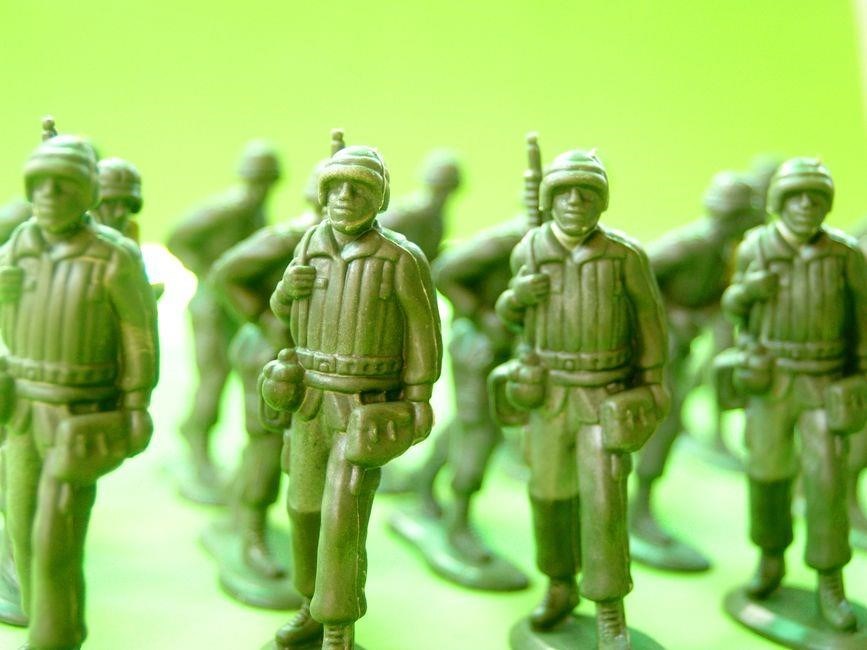
small wars manual
The Small Wars Manual‚ first published in 1940‚ serves as a foundational guide for low‑intensity conflict operations. It outlines key principles‚ strategic planning‚ and legal considerations that inform Marine Corps doctrine and training. Its concise chapters guide commanders in planning and operations!.
Purpose and Scope
Designed to equip Marine leaders with a coherent framework for conducting low‑intensity conflicts‚ the Small Wars Manual articulates the core principles‚ operational concepts‚ and doctrinal foundations that underpin all small‑war engagements. Its purpose is to distill lessons from historical campaigns‚ such as the 1940 Marine Corps experiences‚ and to translate those lessons into actionable guidance for contemporary commanders. The manual’s scope covers the full spectrum of small‑war activities‚ from pre‑deployment planning to the execution of counterinsurgency‚ peacekeeping‚ and humanitarian and missions‚ addressing legal‚ ethical‚ and political dimensions shaping operational decisions‚ emphasizing compliance with international law and civilian protection. By delineating the roles of Headquarters Marine Corps‚ the manual clarifies how strategic objectives are translated into operational plans‚ ensuring that each element of the force is synchronized toward a common goal. Additionally‚ it outlines small‑war phases‚ providing a roadmap from initial engagement through stabilization and withdrawal. The document highlights psychological readiness‚ leadership attitudes‚ and adaptive tactics where conventional warfare rules are not fully applicable. Ultimately‚ the Small Wars Manual serves as a living reference that informs training‚ exercises‚ and real‑world deployments‚ fostering a professional culture that values flexibility‚ situational awareness‚ and disciplined execution in the face of complex‚ asymmetric threats.

Characteristics of Small Wars
Small wars feature irregular forces‚ asymmetric tactics‚ limited resources‚ and complex political environments. They demand adaptive leadership‚ precise intelligence‚ and civilian protection‚ blending combat with diplomacy and logistics to achieve strategic objectives.
Classes of Small Wars
Small wars encompass a spectrum of engagements that differ in scale‚ objectives‚ and operational context. The Manual categorizes them into three primary classes: conventional small wars‚ insurgency and counterinsurgency operations‚ and peacekeeping or stabilization missions. Conventional small wars involve limited force confrontations between organized state actors‚ often confined to specific regions or strategic points. Insurgency and counterinsurgency operations focus on irregular combatants employing guerrilla tactics‚ requiring a blend of kinetic and non‑kinetic measures‚ intelligence gathering‚ and civic engagement to undermine support for hostile elements. Peacekeeping and stabilization missions are conducted under international mandates‚ aiming to restore order‚ protect civilians‚ and facilitate political transition‚ often in post‑conflict environments. Each class demands tailored doctrine‚ training‚ and resource allocation‚ yet all share core principles of flexibility‚ intelligence‑driven action‚ and the integration of military and civil components to achieve lasting security. for mission success and strategic planning


Legal Aspects
Legal aspects of small wars cover domestic statutes‚ international law‚ rules of engagement‚ and the status of forces agreements. The Manual emphasizes compliance with the law of armed conflict‚ proportionality‚ and the protection of civilians during limited operations.All actions respect!
International Law Considerations
Small wars operate under the framework of international law‚ which shapes legitimacy‚ conduct‚ and post‑operation accountability. The Manual stresses adherence to the United Nations Charter‚ particularly the prohibition of force except in self‑defence or with Security Council authorization. It also references customary international humanitarian law‚ including the Geneva Conventions and their Additional Protocols‚ which dictate the treatment of combatants‚ non‑combatants‚ and property. The principles of distinction‚ proportionality‚ and precaution are highlighted‚ ensuring that offensive actions target only legitimate military objectives and avoid unnecessary harm to civilians. The Manual further discusses the law of occupation‚ emphasizing the responsibilities of occupying forces to maintain public order and protect the rights of the local population. It also addresses the importance of respecting national sovereignty and the limits of intervention‚ encouraging the use of diplomatic and multilateral mechanisms before resorting to force. Finally‚ the Manual outlines the necessity of documenting compliance‚ collecting evidence‚ and cooperating with international tribunals to maintain transparency and uphold the rule of law in all operations. In addition‚ the Manual underscores the necessity of aligning small‑war operations with the principles of the International Criminal Court‚ ensuring that commanders are aware of potential war‑crime liabilities and that evidence is preserved for accountability purposes. This aligns doctrine globally!.
Headquarters Marine Corps Role
The Manual defines HQMC as the central node for planning‚ intelligence‚ and coordination in small‑war contexts. It synthesizes strategic objectives‚ allocates resources‚ and ensures consistency across units‚ swiftresponses to low‑intensity conflicts. for mission!
Strategic Planning
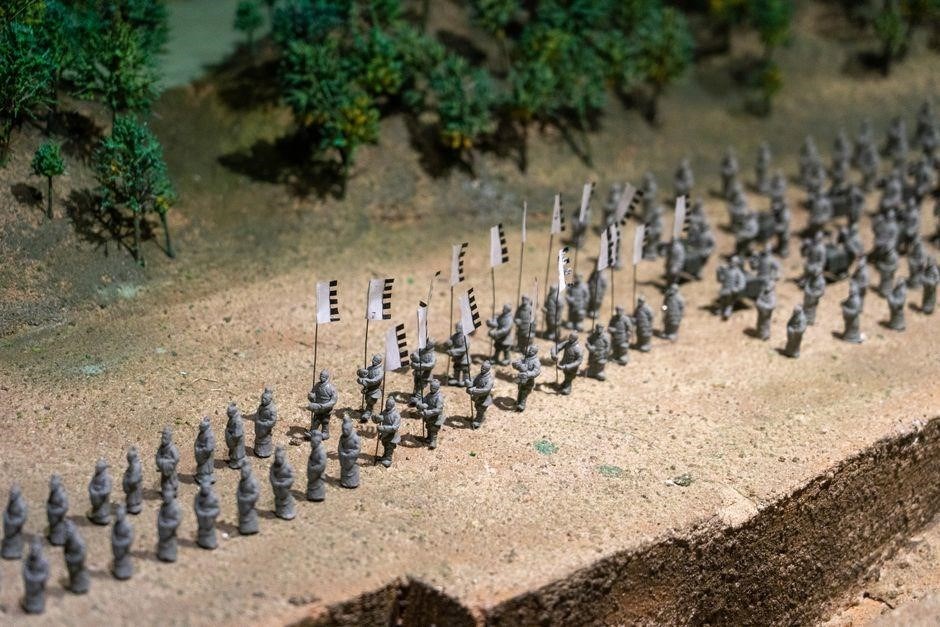
The Small Wars Manual frames strategic planning as the cornerstone of effective low‑intensity operations. It begins with a clear definition of objectives‚ followed by a rigorous assessment of the operational environment‚ adversary capabilities‚ and available resources. The Manual stresses that strategic planning must integrate intelligence‚ logistics‚ force structure‚ and political considerations to produce a coherent plan that aligns with national policy and mission requirements. Key elements include setting measurable goals‚ identifying critical success factors‚ and establishing decision points that allow for flexibility and rapid adaptation. Joint coordination is essential; the plan must synchronize Marine Corps actions with other services and civilian agencies. Risk assessment and contingency planning are woven into the framework‚ enabling planners to anticipate obstacles and devise mitigation strategies. The result is a robust‚ adaptable plan that guides tactical execution while maintaining strategic coherence across all levels of command. In practice‚ planners must continually refine the strategic plan through iterative cycles of assessment‚ feedback‚ and adjustment‚ ensuring that each operational decision aligns with the overarching mission objectives while remaining responsive to evolving threats and opportunities on the ground. Such a disciplined approach enables commanders to sustain operational momentum‚ mitigate risk‚ and achieve decisive outcomes even when operating under constrained resources!!
Phases of Small Wars
Phase I!: Preparation—establish objectives‚ assess terrain‚ secure resources. Phase II!: Deployment—position forces conduct reconnaissance. Phase III!: Engagement—apply force while minimizing collateral damage. Phase IV!: Consolidation—secure gains stabilize. Phase V!: Withdrawal—retreat orderly‚ preserving lessons learned!.
Operational Phases Overview
In the Small Wars Manual‚ operational phases are delineated to guide commanders through the complex sequence of actions required in low‑intensity conflict. The manual identifies four primary phases: preparation‚ deployment‚ engagement‚ and consolidation. Each phase is further subdivided into actionable tasks that emphasize intelligence gathering‚ force allocation‚ and risk mitigation. During preparation‚ planners conduct thorough threat assessments‚ map terrain features‚ and secure supply lines to ensure operational readiness. Deployment focuses on positioning troops‚ establishing forward operating bases‚ and conducting reconnaissance to validate assumptions. Engagement involves the application of kinetic and non‑kinetic measures‚ coordination with allied units‚ and adherence to rules of engagement to minimize civilian harm. Consolidation emphasizes securing gains‚ stabilizing the area‚ and preparing for potential withdrawal or transition to peacekeeping. The manual stresses that flexibility and adaptability are essential‚ as small wars often require rapid adjustments to evolving local dynamics. By structuring operations into these distinct yet interrelated phases‚ commanders can maintain situational awareness‚ allocate resources efficiently‚ and achieve strategic objectives while preserving the integrity of the mission. The manual also outlines contingency planning‚ highlighting the importance of establishing fallback positions and rapid extraction routes. It recommends continuous after‑action reviews to capture lessons learned and refine doctrine. Moreover‚ it emphasizes the role of local partners and the necessity of cultural understanding to build trust and legitimacy. The phases are not rigid; commanders are encouraged to iterate between them as new intelligence emerges or operational priorities shift. This iterative approach lets commanders adapt strategies real time‚ boosting mission resilience.!
Strategy Foundations
The Small Wars Manual establishes strategy by contrasting national war with small war‚ emphasizing limited objectives‚ force concentration‚ and political integration. It stresses adaptability‚ local partnership and precise intelligence to achieve decisive‚ sustainable outcomes.
National War vs Small War
In the Small Wars Manual‚ the strategy section delineates a clear distinction between national war and small war. National war is defined as a large-scale conflict that mobilizes entire societies‚ demands massive resources‚ and seeks decisive‚ often territorial‚ outcomes. It is characterized by conventional forces‚ high casualty rates‚ and a broad political objective that usually culminates in a formal treaty or occupation. Small war‚ by contrast‚ is a limited conflict that focuses on specific‚ achievable objectives within a constrained geographic area. It employs smaller‚ more flexible forces‚ often in support of political or humanitarian goals‚ and seeks to influence local dynamics rather than overthrow a regime. The manual emphasizes that small war requires precise intelligence‚ local partnership‚ and an integrated political strategy to achieve sustainable results. Unlike national war‚ where victory is measured by territorial gains‚ success in small war is gauged by the ability to stabilize an area‚ win hearts and minds‚ and create conditions for long-term peace. The strategic approach must therefore prioritize adaptability‚ rapid decision cycles‚ and close coordination with civilian agencies to address the unique challenges of low-intensity conflict. In practice‚ commanders must integrate intelligence‚ logistics‚ and civil affairs to build legitimacy‚ counter insurgent narratives‚ and create a environment where local actors can govern‚ thereby transforming conflict into a peacebuilding process peace.

Psychological Factors
Psychology in small wars focuses on attitude‚ bearing‚ instincts‚ and revolutionary tendencies. Marines must cultivate resilience‚ cultural insight‚ and adaptive mindsets to influence local populations‚ counter insurgent narratives‚ and maintain operational effectiveness.!!

Attitude and Bearing
In the Small Wars Manual‚ attitude and bearing are core elements shaping the Marine‚ conduct in low‑intensity‚ the‚ conflict. The text emphasizes that attitude is not merely personal disposition but a strategic tool that can influence the perception of the local population and the effectiveness of civil‑military operations. Bearing‚ meanwhile‚ refers to the outward posture and demeanor that signal authority‚ empathy‚ and adaptability. The manual advises that a balanced bearing—neither overly aggressive nor excessively passive—helps to build trust and reduce friction in contested environments. Practical guidance includes maintaining eye contact‚ speaking in clear‚ concise language‚ and demonstrating cultural awareness. The manual also warns against complacency‚ noting that a relaxed or indifferent attitude can erode discipline and invite enemy propaganda. By cultivating a proactive‚ respectful attitude and a measured‚ confident bearing‚ Marines can enhance mission success‚ support stabilization efforts‚ and uphold the Corps’ reputation for integrity and effectiveness in small war contexts. The emphasis on attitude and bearing underscores that readiness deeply is as critical as physical preparedness during low‑intensity operations.