
frigidaire ac manual
Frigidaire AC Manual: A Comprehensive Guide
Navigating your Frigidaire air conditioner’s operation is simplified with this guide‚ offering insights into model numbers‚ serial numbers‚ and troubleshooting common issues.
This resource details online manual access‚ repair options‚ and essential safety precautions for optimal performance and longevity of your cooling system.
Understanding Your Frigidaire Air Conditioner
Frigidaire air conditioners are designed for efficient and reliable cooling‚ but maximizing their performance requires understanding key components and features. This section provides a foundational overview to help you operate and maintain your unit effectively. Knowing where to locate the model number is crucial for accessing specific documentation and support.
Typically‚ you’ll find this information on a sticker located on the back‚ bottom‚ or inside the door jamb of the appliance. The serial number‚ often a 10 or 12-digit code‚ is also vital for determining the unit’s age and accessing warranty information. Understanding these numbers unlocks access to detailed manuals and repair resources.
Consumer Reports provides valuable reviews for specific models like the FHWW063WB1 and GHWQ123WC1‚ offering insights into performance and reliability.
Locating the Model Number
Finding your Frigidaire air conditioner’s model number is the first step towards accessing relevant support and documentation. This unique identifier is essential for downloading the correct manual‚ ordering repair parts‚ and receiving accurate assistance. Common locations for the sticker include the back of the appliance‚ the bottom surface‚ or on the door jamb.
Inspect the inside of the appliance door as well; it’s frequently placed there. If you’re still unable to locate it‚ RepairClinic.com offers helpful videos and diagrams demonstrating where to find the model number on various Frigidaire units. Remember‚ the model number is key to unlocking a wealth of information specific to your air conditioner.

For pedestal drawer models‚ check along the side when the drawer is fully extended;
Common Sticker Locations
Locating the model number sticker on your Frigidaire AC unit often requires a thorough visual inspection. The most frequent placement is on the back of the appliance itself‚ so carefully examine that area first. Alternatively‚ check the bottom of the unit‚ as manufacturers often affix the sticker there for easy access during servicing.
Don’t overlook the door jamb – it’s a common spot‚ particularly for window units. Many models also feature the sticker on the inside of the appliance door. A systematic search of these areas will usually reveal the necessary information. Remember to look closely‚ as the sticker can sometimes be small or partially obscured.
These are the most typical locations‚ but variations exist.
Appliance Age Lookup & Serial Numbers
Determining your Frigidaire AC’s age often relies on deciphering its serial number. Typically‚ these numbers consist of 10 digits‚ a combination of letters and numbers. However‚ for HVAC units‚ expect a 12-digit serial number. A key identifier for HVAC units is that the first digit is almost always a letter‚ distinguishing them from other appliance types.
Utilizing an appliance age lookup tool‚ combined with the serial number‚ can provide a reasonably accurate manufacturing date. These tools analyze the serial number’s format and correlate it with Frigidaire’s production timelines. Keep in mind that these are estimations‚ and precise dating can be challenging without official Frigidaire records.
The serial number is crucial for accessing specific documentation.
Decoding the Serial Number
Understanding your Frigidaire AC’s serial number unlocks valuable information beyond just the manufacturing date. It’s a key to identifying the specific components and features of your unit‚ aiding in repair and maintenance. The date of production can be determined by carefully examining the serial number located on the appliance’s data plate.
For HVAC units‚ the serial number format often follows a specific pattern‚ allowing for a more precise determination of the manufacturing timeframe. While the exact coding varies‚ the initial digits frequently indicate the year and sometimes even the month of production.
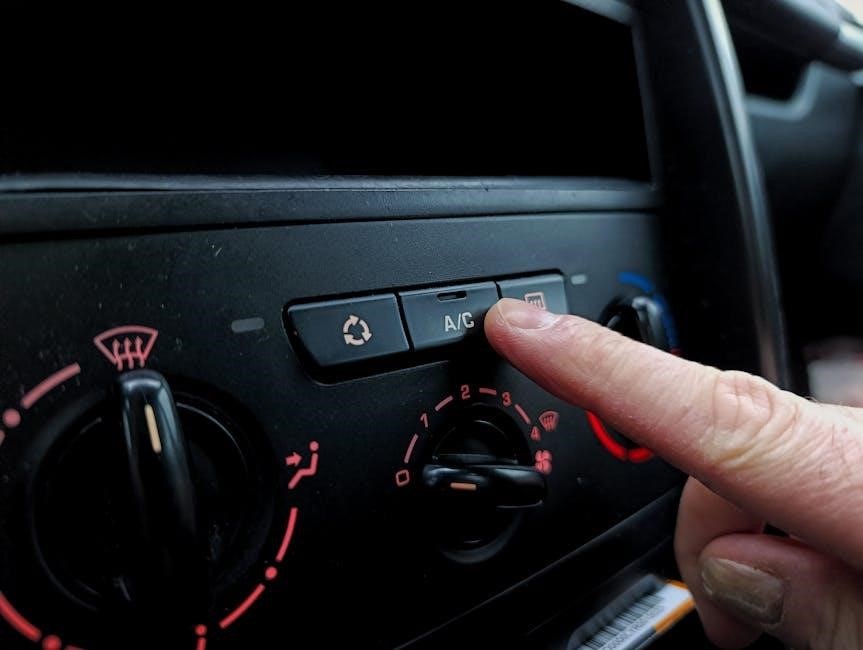
Decoding this number is essential for accessing the correct manuals and parts lists.
Determining Date of Manufacture
Pinpointing the manufacturing date of your Frigidaire AC is crucial for understanding its age and potential lifespan. The serial number‚ found on the data plate‚ holds the key to this information. While the decoding process isn’t always straightforward‚ it provides a valuable insight into the unit’s history.

Typically‚ the serial number contains digits representing the year and sometimes the month of production. However‚ Frigidaire’s coding system can evolve‚ so a direct translation isn’t always possible without specific decoding charts.
Knowing the date of manufacture helps assess warranty eligibility and anticipate potential repair needs‚ ensuring optimal performance and longevity of your cooling system.
HVAC Unit Serial Number Format
Understanding the format of your Frigidaire HVAC unit’s serial number is essential for accurate identification and accessing relevant support. For HVAC units‚ the serial number generally consists of 12 digits. A key characteristic is that the very first digit is always a letter‚ distinguishing it from other appliance serial numbers.
This alphanumeric code isn’t simply random; it encodes information about the manufacturing date‚ plant location‚ and specific model configuration. While the exact decoding scheme is proprietary to Frigidaire‚ recognizing the 12-digit‚ letter-first format is the initial step.
Having this information readily available streamlines repair requests and ensures you receive the correct parts and documentation.
Frigidaire AC Model Specific Information
Delving into specific Frigidaire AC models provides targeted insights for owners. Consumer Reports rigorously tests various models‚ offering valuable performance data. For instance‚ the Frigidaire FHWW063WB1 undergoes comprehensive evaluation within their Air Conditioner test program‚ assessing window unit performance across multiple criteria in a lab setting.
Similarly‚ the Frigidaire Gallery GHWQ123WC1 is also subject to Consumer Reports’ detailed testing. These reports analyze factors like cooling efficiency‚ noise levels‚ and ease of use‚ providing a comparative overview of different models.

Accessing these reviews empowers informed decision-making regarding maintenance‚ repair‚ and potential upgrades.
Frigidaire FHWW063WB1 – Consumer Reports Review
Consumer Reports places the Frigidaire FHWW063WB1 within its rigorous Air Conditioner testing program‚ specifically focusing on window unit performance. This model is evaluated against a suite of criteria designed to simulate real-world usage and assess overall effectiveness. Testing encompasses cooling capacity‚ energy efficiency‚ and noise output‚ providing a holistic performance profile.
The review details how the FHWW063WB1 performs relative to competing models in its class‚ offering insights into its strengths and weaknesses. Lab tests determine its ability to lower room temperature and maintain consistent cooling.
Ratings consider factors beyond basic cooling‚ including ease of operation and feature set‚ aiding consumers in making informed purchasing decisions.
Frigidaire Gallery GHWQ123WC1 – Consumer Reports Review
Consumer Reports incorporates the Frigidaire Gallery GHWQ123WC1 into its comprehensive Air Conditioner evaluation process‚ concentrating on window air conditioner capabilities. This model undergoes extensive lab tests assessing multiple performance aspects‚ including its cooling efficiency and operational noise levels. The goal is to provide consumers with data-driven insights.
The review highlights how the GHWQ123WC1 stacks up against other window AC units‚ detailing its performance strengths and potential drawbacks. Ratings are assigned based on its ability to effectively reduce room temperature and maintain consistent cooling performance over time.
Factors like ease of use and available features are also considered‚ offering a well-rounded assessment for potential buyers.
Accessing Frigidaire AC Manuals
Locating your Frigidaire AC manual is crucial for understanding its features and ensuring proper operation. If you’ve misplaced the physical copy‚ numerous online resources are available. Frigidaire’s official website often hosts a comprehensive archive of manuals‚ searchable by model number. Several third-party websites also compile appliance manuals‚ offering convenient access.
However‚ if you’re unable to find a manual using your model number‚ alternative methods exist. Some websites offer guidance on identifying your appliance based on visual characteristics or partial model information.
RepairClinic.com provides helpful videos and diagrams to assist in locating the model number‚ which is essential for finding the correct manual.
Online Manual Resources
Numerous online platforms provide access to Frigidaire AC manuals‚ simplifying the process of finding information about your specific unit. Frigidaire’s official website is a primary resource‚ often featuring a dedicated section for downloading manuals directly‚ searchable by model number. Beyond the official site‚ websites specializing in appliance documentation‚ like ManualsLib and ApplianceManuals.com‚ frequently host a wide range of Frigidaire AC manuals.
RepairClinic.com also offers a substantial library of manuals and helpful resources. These resources often include diagrams and troubleshooting guides alongside the full manual. Remember to have your model number readily available for a precise search.
Finding Manuals Without a Model Number
Locating a Frigidaire AC manual without the model number can be challenging‚ but not impossible. Begin by carefully inspecting the unit itself; the model number might be subtly placed on the back‚ bottom‚ or inside the door jamb. If a visual search fails‚ consider the unit’s physical characteristics – size‚ type (window‚ portable‚ etc.)‚ and features – to narrow down potential matches on appliance documentation websites.
RepairClinic.com offers assistance‚ suggesting their “How To Find Your Model Number” videos and diagrams. Online forums dedicated to appliances can also be valuable‚ allowing you to describe your unit and potentially receive identification assistance from experienced users.
Common Frigidaire AC Issues & Troubleshooting
Encountering problems with your Frigidaire AC is common‚ but many are easily resolved. A frequent issue is the unit not cooling effectively; check the air filter for blockage‚ ensure proper ventilation‚ and verify the thermostat setting. Another prevalent concern is water leaking from the unit‚ often caused by a clogged drain line – carefully clean the drain line to restore proper function.
Before attempting repairs‚ always disconnect the power. Consult the Frigidaire AC manual for specific troubleshooting steps related to your model number. If issues persist‚ seeking professional assistance from a qualified HVAC technician is recommended to prevent further damage.
Air Conditioner Not Cooling
When your Frigidaire AC fails to cool‚ several factors could be at play. First‚ inspect the air filter; a dirty filter restricts airflow‚ diminishing cooling capacity. Ensure the filter is clean or replaced as needed. Next‚ verify the thermostat is set to the desired temperature and operating in ‘cool’ mode. Check for obstructions blocking the outdoor unit’s condenser coils‚ hindering heat dissipation.
Additionally‚ confirm proper ventilation around both the indoor and outdoor units. If the problem persists‚ there might be a refrigerant leak or compressor issue‚ requiring professional diagnosis and repair. Always refer to your Frigidaire AC manual for model-specific guidance.
Water Leaking from the Unit
Discovering water leaking from your Frigidaire AC can indicate several issues. A clogged drain line is a common culprit‚ preventing proper condensate removal. Locate the drain line (refer to your manual for its specific location) and carefully clear any blockages using a wet/dry vacuum or gentle flushing with water.
Furthermore‚ ensure the unit is properly tilted to facilitate drainage. Inspect the evaporator coils for excessive ice buildup‚ which can melt and overflow. If the leak persists‚ it could signal a refrigerant line issue or internal component failure‚ necessitating professional repair. Always prioritize safety and disconnect power before inspecting the unit.
Maintenance and Care
Regular maintenance is crucial for extending the life and efficiency of your Frigidaire AC. Prioritize filter cleaning and replacement; a dirty filter restricts airflow‚ reducing cooling performance and increasing energy consumption. Check the filter monthly during peak usage and replace or clean as needed.
Additionally‚ perform coil cleaning procedures at least twice a year. Dirty coils hinder heat transfer‚ impacting cooling capacity. Gently clean both the evaporator and condenser coils with a soft brush or coil cleaner‚ following the manual’s instructions. Proper care ensures optimal operation and prevents costly repairs.
Filter Cleaning and Replacement
Maintaining a clean air filter is paramount for your Frigidaire AC’s performance. A clogged filter restricts airflow‚ forcing the unit to work harder‚ reducing cooling efficiency‚ and potentially leading to component failure. Regularly inspect the filter – ideally monthly during heavy use – for accumulated dust and debris.
Depending on usage and air quality‚ filters may require cleaning or replacement. Washable filters can be vacuumed or rinsed; ensure they are completely dry before reinstalling. Disposable filters should be replaced with a new one of the correct size and type‚ as specified in your manual. This simple step significantly improves air quality and extends the AC’s lifespan.
Coil Cleaning Procedures

Dirty condenser and evaporator coils hinder heat transfer‚ diminishing cooling capacity and increasing energy consumption. Periodically cleaning these coils is crucial for optimal performance. Begin by disconnecting power to the unit for safety. Use a soft brush attachment on a vacuum to remove loose debris from the coils.
For more stubborn dirt‚ a coil cleaner specifically designed for air conditioners can be applied‚ following the product’s instructions carefully. Rinse the coils gently with water‚ avoiding high pressure that could damage the fins. Ensure the unit is completely dry before restoring power. Regular coil cleaning maintains efficiency and prolongs the AC’s life.
Repair Resources
When facing Frigidaire AC issues‚ several resources can aid in diagnosis and repair. RepairClinic.com offers valuable model number location videos‚ simplifying parts identification. Their website provides detailed diagrams and troubleshooting guides‚ empowering DIY repairs. Finding the correct replacement parts is streamlined through their extensive catalog‚ searchable by model number.
Additionally‚ online forums and Frigidaire’s official support website can offer solutions to common problems. However‚ complex repairs often require a qualified HVAC technician. Prioritize safety and consult a professional for electrical issues or refrigerant handling. Utilizing these resources can save time and money while restoring your AC’s functionality.
RepairClinic.com – Model Number Location Videos
RepairClinic.com provides a helpful video library specifically dedicated to locating the model number on various Frigidaire appliances‚ including air conditioners. These videos visually guide you through the process‚ demonstrating common sticker locations on the back‚ bottom‚ door jamb‚ or inside the appliance door.
The videos are designed for ease of understanding‚ even for those unfamiliar with appliance repair. They cover both central air conditioners and window units‚ ensuring a broad range of Frigidaire models are addressed. Accessing these resources – available at 800-269-2609 – simplifies the crucial first step in finding the correct parts and manuals for your specific unit.
Finding Repair Parts
Once you’ve identified your Frigidaire AC’s model number‚ sourcing repair parts becomes significantly easier. Numerous online retailers specialize in appliance parts‚ offering a wide selection specifically for Frigidaire units. RepairClinic.com is a valuable resource‚ often providing diagrams and parts lists tailored to your exact model.
Always double-check compatibility before purchasing‚ ensuring the part number matches your appliance’s specifications. Local appliance repair shops can also source parts‚ offering expert advice and potentially handling the installation for you. Having the serial number handy can further refine the search‚ guaranteeing you receive the correct component for a successful repair.

Safety Precautions
Prioritizing safety is crucial when handling and maintaining your Frigidaire AC. Always disconnect the unit from the power source before any inspection or repair work to prevent electrical shock. Ensure proper grounding to minimize risk‚ and never attempt repairs if you’re uncomfortable working with electrical components.
When moving the AC unit‚ use caution to avoid damage to the fins or internal parts. Proper unit handling prevents refrigerant leaks and ensures safe operation. Avoid using extension cords‚ and if necessary‚ select one rated for the AC’s power requirements. Regularly inspect the power cord for damage‚ and replace it if frayed or worn.
Electrical Safety Guidelines
Maintaining electrical safety with your Frigidaire AC is paramount. Always ensure the unit is properly grounded to prevent shocks and minimize electrical hazards. Never operate the AC with a damaged power cord; replace it immediately with a manufacturer-approved alternative.
Avoid overloading circuits by connecting the AC to a dedicated electrical outlet. Do not use extension cords unless absolutely necessary‚ and if used‚ select a heavy-duty cord rated for the AC’s amperage. Inspect the outlet for proper voltage before plugging in the unit. If you notice any unusual smells or sounds‚ immediately disconnect the power and consult a qualified technician.
Proper Unit Handling
Safe handling of your Frigidaire AC unit is crucial during installation‚ storage‚ and maintenance. Always disconnect the power supply before performing any service or moving the unit. When lifting or carrying the AC‚ use proper lifting techniques – bend your knees and keep your back straight – to avoid injury.
Avoid dropping or bumping the unit‚ as this can damage internal components. During storage‚ protect the AC from extreme temperatures and moisture. Ensure the unit is placed on a stable‚ level surface to prevent tipping. Never attempt to disassemble or repair the AC yourself unless you are a qualified technician; improper handling can void the warranty and create safety hazards.
Understanding Air Conditioner Terminology
Decoding air conditioner specifications begins with BTU (British Thermal Units)‚ measuring cooling capacity – higher BTU ratings cool larger spaces. EER (Energy Efficiency Ratio) indicates cooling output divided by power input; a higher EER signifies greater efficiency. SEER (Seasonal Energy Efficiency Ratio) provides a more comprehensive efficiency rating over an entire cooling season.
Understanding these ratings helps you select the right Frigidaire AC for your needs. Consider the room size and insulation when choosing a BTU level. Higher SEER and EER ratings translate to lower energy bills. Familiarizing yourself with these terms empowers informed decisions when comparing Frigidaire AC models and maximizing energy savings.
BTU Ratings Explained
BTU‚ or British Thermal Unit‚ represents the amount of heat an air conditioner removes from a room per hour. Higher BTU ratings indicate greater cooling power‚ suitable for larger spaces. A 5‚000 BTU unit typically cools around 150 square feet‚ while 10‚000 BTU handles approximately 300 square feet.
Selecting the correct BTU is crucial; an undersized unit won’t cool effectively‚ and an oversized unit cycles on and off frequently‚ reducing efficiency. Factors like room insulation‚ window size‚ and sunlight exposure also influence BTU requirements. Frigidaire ACs offer a range of BTU options to match diverse cooling needs‚ ensuring optimal comfort and energy savings.

EER and SEER Ratings
EER‚ or Energy Efficiency Ratio‚ measures an air conditioner’s cooling output in BTU divided by its power input in watts. Higher EER ratings signify greater energy efficiency. SEER‚ or Seasonal Energy Efficiency Ratio‚ provides a more comprehensive efficiency assessment over an entire cooling season.
SEER considers varying temperatures and operating conditions‚ offering a realistic picture of energy consumption. Frigidaire ACs with higher SEER ratings translate to lower energy bills and reduced environmental impact. Understanding these ratings helps consumers make informed decisions when purchasing a unit‚ prioritizing energy savings and long-term cost-effectiveness. Look for Energy Star certified models for optimal performance.