
the lazy person’s guide to exercise
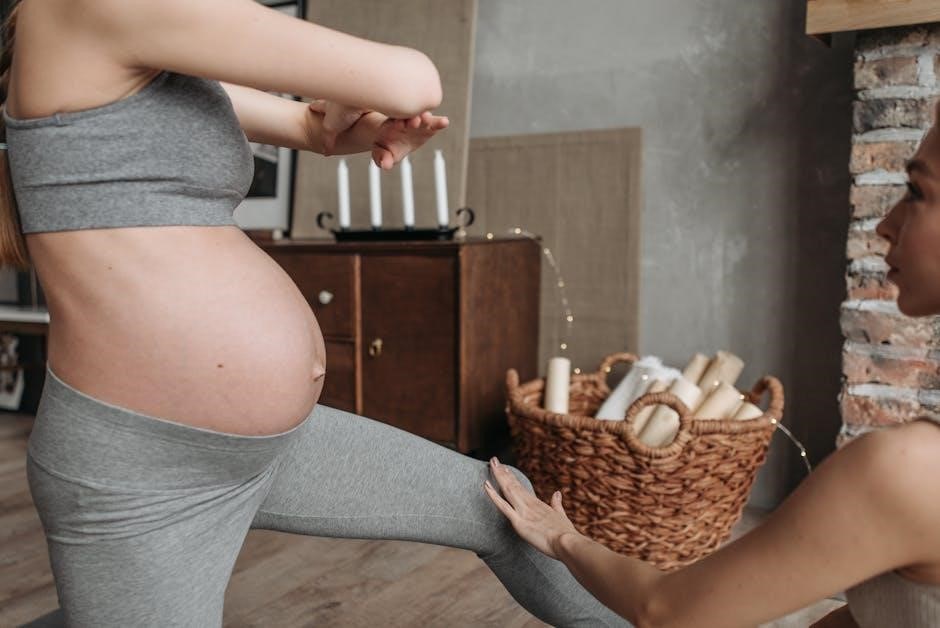
Working out doesn’t demand grueling gym sessions or pricey equipment; home exercise offers convenience, cost-effectiveness, and comfort for many individuals seeking fitness;
Let’s be honest: the thought of exercise can be… daunting. If you’re someone who prefers relaxing on the couch to hitting the gym, you’re not alone! This guide is specifically designed for those of us who identify as “lazy” – or, perhaps more accurately, those who prioritize efficiency and minimal effort. We’re not aiming for marathon training here; we’re aiming for movement.
The key is to ditch the all-or-nothing mentality. You don’t need to spend hours sweating to see benefits. Small, consistent efforts can yield surprisingly significant results. This isn’t about transforming into a fitness fanatic overnight; it’s about incorporating gentle activity into your daily routine, making it sustainable and, dare we say, enjoyable. Forget intense workouts – we’re focusing on strategies that require minimal motivation and maximum impact.
Why “Lazy” Exercise Still Counts
Don’t underestimate the power of small movements! Even if your workout feels minimal, it’s still contributing to your overall health and well-being. Short bursts of activity, like a quick walk or a few bodyweight exercises, can boost your energy levels, improve your mood, and reduce your risk of chronic diseases.
Think of it as building a foundation. Every little bit counts, and consistency is far more important than intensity. A 10-minute walk is better than no walk at all. A few knee push-ups are better than zero. These seemingly insignificant efforts add up over time, leading to noticeable improvements in your fitness level. Remember, the goal isn’t to become an athlete; it’s to move your body and feel good!
The Core Principle: Minimal Effort, Maximum Impact
The key to “lazy” exercise is efficiency. We’re not aiming for hours of strenuous activity, but rather strategically chosen movements that deliver significant benefits with minimal exertion. This means focusing on exercises that work multiple muscle groups simultaneously, like squats and planks, maximizing your return on investment.
Prioritize compound movements over isolation exercises. Short, intense bursts of cardio, such as jumping rope or high knees, are far more effective than long, slow sessions. Remember, it’s about working smarter, not harder. By focusing on quality over quantity, you can achieve impressive results without sacrificing your precious downtime. Embrace the power of small changes!
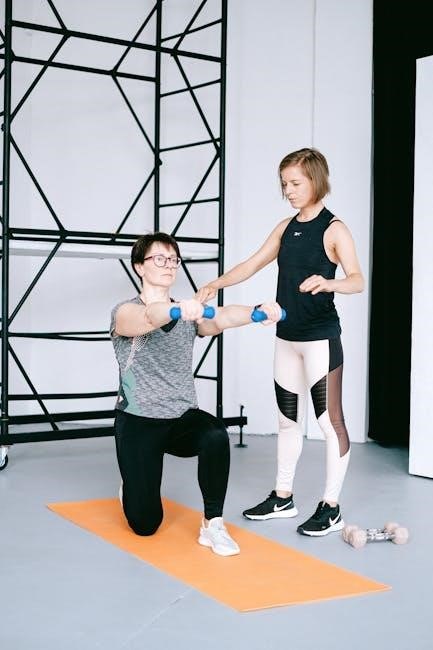
Quick & Easy Home Workouts
Embrace bodyweight exercises and short cardio bursts for effective, convenient fitness routines achievable within the comfort of your own home, requiring no equipment.
Bodyweight Exercises: Your New Best Friend
Bodyweight exercises are incredibly accessible and require absolutely no equipment, making them perfect for the unmotivated. Squats, for instance, strengthen legs and glutes while boosting stability; simply lower your body as if sitting in a chair.
Knee push-ups offer a modified upper body workout, ideal for beginners. They build strength without the full strain of traditional push-ups. And then there’s the plank – a core strengthening superstar!
Planks improve core strength, stability, and overall flexibility, functioning as a full-body workout. These exercises are fantastic starting points, offering significant benefits with minimal effort. They’re easily scalable, allowing you to progress at your own pace, making fitness less daunting and more achievable.
Squats: Leg Day Made Easy
Squats are the cornerstone of any beginner-friendly leg workout, requiring zero equipment and minimal space. To perform a squat, stand with your feet shoulder-width apart, ensuring your back remains straight and your core engaged. Lower your body as if sitting back into an invisible chair, keeping your knees aligned with your toes.
Don’t worry about achieving a perfect depth initially; focus on controlled movement and maintaining good form. Bodyweight squats effectively strengthen your legs and glutes, simultaneously improving overall stability and balance.
They’re a fantastic entry point into strength training, building a foundation for more challenging exercises later on. Start with a few repetitions and gradually increase the number as you gain strength and confidence;
Knee Push-Ups: Building Upper Body Strength
For those intimidated by traditional push-ups, knee push-ups offer a fantastic and accessible alternative for building upper body strength. This modification reduces the amount of weight you’re lifting, making it easier to maintain proper form and gradually build muscle.
To perform a knee push-up, start in a plank position, but with your knees resting on the floor. Keep your body in a straight line from head to knees, and lower your chest towards the ground by bending your elbows.
Push back up to the starting position, engaging your chest, shoulders, and triceps. Focus on controlled movements and maintaining a stable core throughout the exercise.
Plank: The Core Strengthening Superstar
The plank is arguably the most efficient core exercise, requiring no equipment and minimal space. It’s a static hold, meaning you maintain a position rather than performing repetitive movements, making it ideal for those seeking a “lazy” approach to fitness.
To execute a plank, position yourself as if you’re about to do a push-up, but rest on your forearms instead of your hands. Ensure your body forms a straight line from head to heels, engaging your core, glutes, and legs.
Hold this position for as long as you can maintain proper form, starting with 20-30 seconds and gradually increasing the duration. The plank improves core strength, stability, and overall body posture.
Short Burst Cardio: Get Your Heart Rate Up Fast
For the unmotivated, lengthy cardio sessions are a non-starter. Short burst cardio offers a fantastic alternative, delivering cardiovascular benefits in a time-efficient manner. These exercises require minimal effort to begin, yet significantly elevate your heart rate, burning calories and improving endurance.
The key is intensity. Instead of a prolonged jog, opt for short, high-intensity intervals. Think 30-60 seconds of vigorous activity followed by a brief recovery period. This approach maximizes calorie burn while minimizing the perceived exertion.
This method is perfect for fitting fitness into a busy schedule, requiring no gym membership or specialized equipment. It’s about working smarter, not harder, to achieve your fitness goals.
Jumping Rope: A Classic for a Reason
Jumping rope isn’t just a childhood game; it’s a remarkably effective cardio workout, and a surprisingly lazy-person-friendly one at that! Requiring minimal space and incredibly affordable equipment – just a rope! – it’s accessible to almost anyone. It’s one of the simplest and most effective ways to burn calories and contribute to weight loss.
The beauty lies in its adaptability. Start with short intervals – 30 seconds on, 30 seconds rest – and gradually increase the duration as your fitness improves. Don’t worry about fancy tricks; basic jumping is perfectly sufficient.
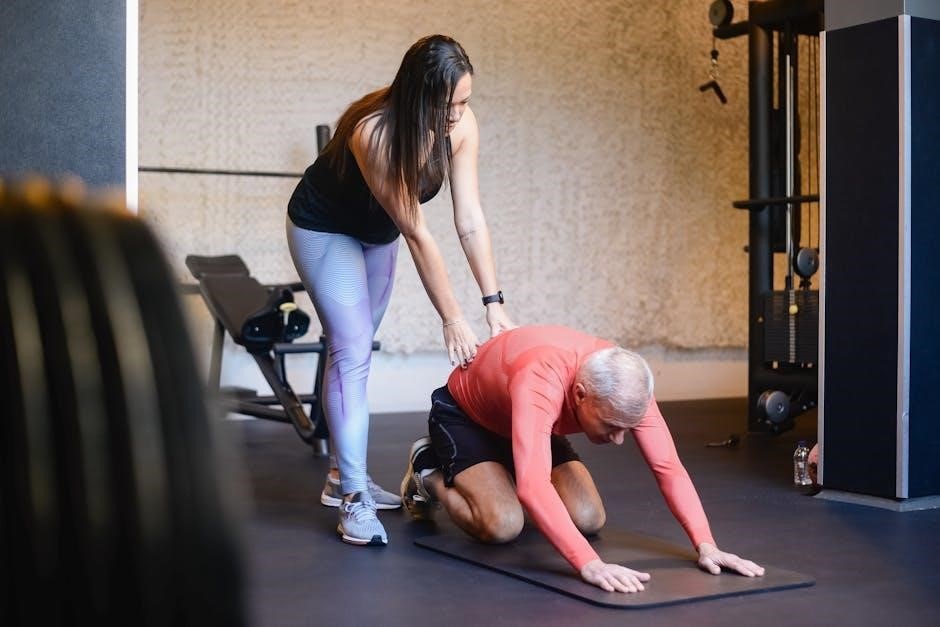
It’s a fantastic way to elevate your heart rate quickly, improving cardiovascular health without demanding a huge time commitment or intense physical strain.
High Knees & Butt Kicks: No Equipment Needed
For the truly commitment-phobic, high knees and butt kicks are your allies. These cardio exercises require absolutely no equipment, making them perfect for spontaneous bursts of activity. They’re incredibly versatile – do them in your living room, your backyard, or even a hallway!
High knees involve bringing your knees up towards your chest while jogging in place, engaging your core and improving coordination. Butt kicks focus on bringing your heels up towards your glutes, stretching your quads and boosting your heart rate.
Again, start small. 20-30 seconds of each exercise, followed by a short rest, is a great starting point.
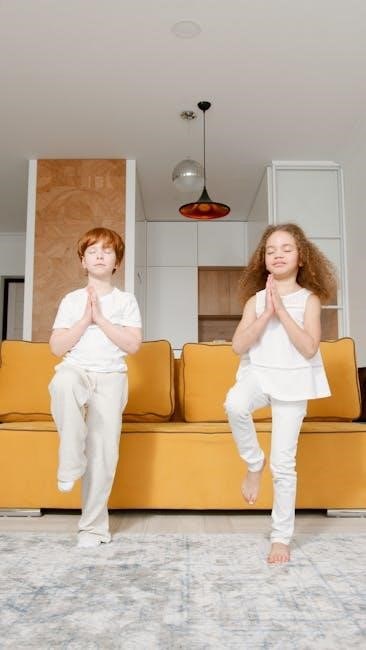
Low-Impact Options for Maximum Comfort
Pilates, walking, and beginner yoga offer gentle strength, flexibility, and cardiovascular benefits, minimizing strain on joints for a comfortable fitness experience.
Pilates: Gentle Strength & Flexibility
Pilates is rapidly gaining recognition as a fantastic fitness option, popularized by figures like Cassey Ho through Blogilates and her POPFLEX athleisure brand. This method focuses on controlled movements, core engagement, and precise form, making it incredibly accessible for those seeking a low-impact workout. It’s perfect for building strength without stressing your joints, and it significantly improves flexibility and posture.
Pilates exercises often involve mat work, utilizing your body weight for resistance. You don’t need fancy equipment to get started, though resistance bands or a Pilates ring can add variety. The emphasis on mindful movement means you can easily modify exercises to suit your fitness level, making it ideal for beginners or anyone recovering from an injury. It’s a fantastic way to build a strong core and improve overall body awareness, all while keeping things gentle and comfortable.
Walking: The Underrated Exercise
Don’t underestimate the power of a simple walk! Often overlooked, walking is a remarkably effective and accessible form of exercise, perfectly suited for the “lazy” person’s guide. It requires no special equipment beyond comfortable shoes and can be easily incorporated into your daily routine. A brisk walk boosts cardiovascular health, strengthens legs and core, and improves mood – all with minimal effort.
Start with short walks and gradually increase the duration and pace. Incorporate hills for an added challenge, or explore different routes to keep things interesting. Walking is also a fantastic way to enjoy the outdoors and de-stress. It’s a low-impact activity, making it gentle on your joints, and suitable for people of all fitness levels. Truly, it’s a remarkably underrated path to a healthier lifestyle.
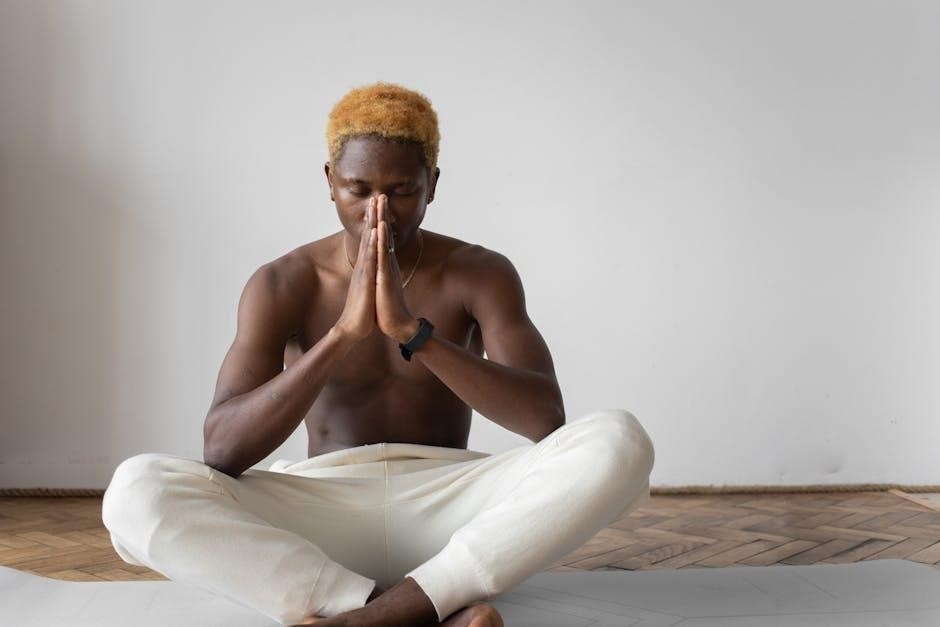
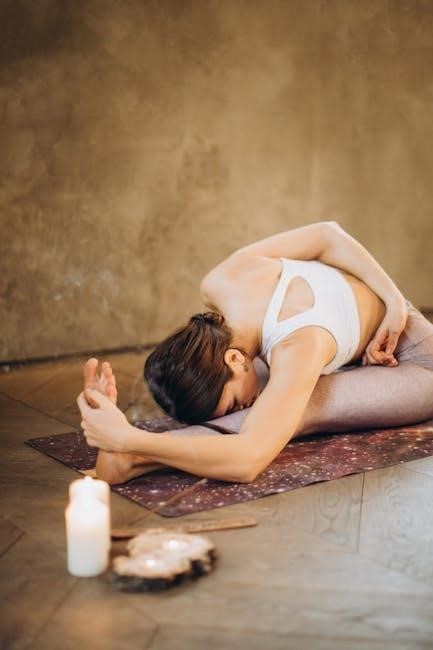
Yoga for Beginners: Stretching Your Way to Fitness
Yoga offers a gentle yet effective path to fitness, ideal for those seeking a low-intensity workout. It’s about more than just stretching; yoga builds strength, improves flexibility, and promotes mindfulness – all without strenuous exertion. Beginner-friendly poses, like Child’s Pose, Downward-Facing Dog (modified on knees is fine!), and Warrior I, can be easily learned from online videos or introductory classes.
Focus on proper form over pushing yourself too hard. Breathe deeply throughout each pose, and listen to your body. Yoga doesn’t require fancy equipment; a yoga mat is helpful, but a comfortable surface will suffice. It’s a fantastic way to relieve stress, improve posture, and increase body awareness, making it a perfect fit for a “lazy” approach to wellness.
Making Exercise a Habit (Without Trying Too Hard)
Start with the 10-minute rule for consistency, incorporate movement into daily routines, and find joy in dance workouts for effective, fun cardio.
The 10-Minute Rule: Start Small, Stay Consistent
The biggest hurdle to exercise isn’t physical exhaustion, but simply starting. The 10-minute rule bypasses this entirely. Commit to just 10 minutes of activity. That’s it!
Seriously, tell yourself it’s only 10 minutes. Often, once you begin, you’ll feel motivated to continue, but even if you don’t, you’ve still achieved something.
This approach removes the intimidation factor of a lengthy workout. It’s far easier to convince yourself to do something for a short duration, making it more likely you’ll stick with it. Consistency is key; doing a little bit regularly is far more beneficial than sporadic, intense bursts.
Build upon these 10-minute sessions gradually. Once it feels comfortable, increase the duration to 15, then 20 minutes, and so on.
Incorporate Movement into Daily Life
Forget dedicated workout blocks; sneaky movement throughout your day adds up significantly. This is the epitome of “lazy” exercise – effort disguised as everyday activity. Take the stairs instead of the elevator, park further away from the store entrance, or walk during phone calls.

Small changes accumulate. While seemingly insignificant, these micro-workouts contribute to increased calorie expenditure and improved overall fitness. Get up and stretch every hour if you have a desk job; a quick walk around the house is also beneficial.
Turn chores into opportunities for movement. Put on some music and dance while cleaning, or make gardening a more active pursuit. The goal is to find ways to be more active without consciously “exercising”.
Dance Workouts: Fun & Effective Cardio
Who says exercise can’t be enjoyable? Dance workouts are a fantastic way to get your heart rate up and burn calories without feeling like you’re actually working out. This high-energy approach features simple, easy-to-follow dance moves, making it accessible for all fitness levels.
The combination of upbeat Latin and international music transforms fitness into a fun and exciting experience. Forget monotonous routines; dance workouts offer variety and a chance to express yourself. You can find countless dance workout videos online, catering to different music preferences and styles.
It’s a sneaky way to improve cardiovascular health, coordination, and even boost your mood. So, turn up the music and let loose – you’ll be surprised how effective (and fun!) it can be.
Targeting Specific Areas (Still Lazily)
Shedding stubborn belly fat is a tough challenge, but simple moves can help. Strength training and targeted exercises offer a full-body reset for lazy fitness.
Belly Fat Loss Exercises: Simple Moves for a Flatter Stomach
Are you tired of that stubborn belly fat? Shedding those extra inches around your midsection is often the toughest part of any weight loss journey, but it doesn’t require intense effort. Certain exercises, even performed with minimal commitment, can significantly contribute to reducing abdominal fat.
Focus on incorporating exercises that engage your core. Planks, for example, are excellent for improving core strength and stability, working your entire body and increasing flexibility. Combine these with simple movements like leg raises or bicycle crunches, performed in short bursts throughout the day. Remember, consistency is key, even if it’s just a few minutes at a time.
Don’t underestimate the power of combining these exercises with a healthy diet and mindful eating habits. Small changes can lead to big results, even for the most unmotivated among us.
Strength Training for a Full Body Reset
Strength training doesn’t necessitate heavy lifting or a gym membership; bodyweight exercises are incredibly effective for a full-body reset, even for those who prefer a more relaxed approach to fitness. At 53, one individual credits strength training for achieving peak fitness and building a body for life, proving it’s never too late to start.
Begin with simple exercises like knee push-ups, which build upper body strength without requiring full extension. Pair these with squats, strengthening legs and glutes while improving stability. Remember, even a few repetitions are beneficial.
Consistency is more important than intensity. Incorporate these exercises into your routine a few times a week, and you’ll notice improvements in strength, posture, and overall well-being.
Exercises for Improved Posture
Poor posture is a common issue, often stemming from prolonged sitting or inactivity, but thankfully, correcting it doesn’t require intense effort. Simple exercises can significantly improve alignment and reduce discomfort, even for the most “lazy” among us. Plank exercises are excellent for strengthening core muscles, which are crucial for supporting good posture.
Focus on engaging your core during everyday activities, like sitting or walking. Incorporate gentle stretches that open up the chest and shoulders, counteracting the effects of slouching.
Remember, consistency is key. Small, regular adjustments to your posture and incorporating these exercises will yield noticeable results over time, leading to a healthier and more confident you.
Staying Motivated (The Lazy Way)
Accountability partners and sensible rewards can boost consistency, but focusing on the positive feelings exercise provides is the ultimate lazy motivation.
Find an Exercise Buddy (For Accountability)
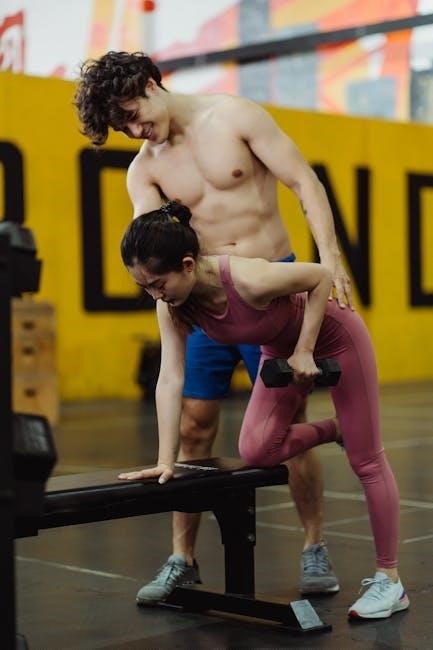
Let’s be honest: when motivation wanes, having someone relying on you can be a game-changer. An exercise buddy isn’t about competition; it’s about mutual support and gentle nudging. Knowing someone else is expecting you to show up – whether it’s for a walk, a quick home workout, or even just a check-in – dramatically increases your chances of actually doing it.
This is especially effective for the “lazy” approach because it removes the sole burden of self-discipline. You’re less likely to skip a session when you know you’ll have to explain yourself to a friend. Plus, exercising with someone can make it more enjoyable, turning a chore into a social activity. Choose a buddy with similar fitness levels and goals to ensure a positive and encouraging experience.
Reward Yourself (Sensibly)
Positive reinforcement is key, even for the lazily inclined! Completing a workout, no matter how small, deserves acknowledgement. However, ditch the idea of rewarding yourself with things that undermine your efforts – a whole pizza after a 10-minute walk isn’t exactly counterproductive. Instead, opt for sensible rewards that enhance your well-being.
Think along the lines of a relaxing bath, reading a chapter of a good book, listening to your favorite music, or enjoying a healthy treat. The reward should be something you genuinely enjoy and that doesn’t sabotage your progress. It’s about associating exercise with positive feelings, making you more likely to repeat the behavior. Small, consistent rewards build lasting habits.
Focus on How You Feel, Not Just How You Look
For the “lazy” exerciser, shifting your focus from aesthetic goals to how exercise makes you feel is crucial. Chasing a specific body image can be demotivating and unsustainable. Instead, concentrate on the immediate benefits: increased energy levels, reduced stress, improved mood, and better sleep. These are tangible rewards you experience right away, providing instant gratification.
Notice how much easier it is to climb stairs after a few weeks of consistent effort, or how much calmer you feel after a short walk. These internal improvements are far more powerful motivators than waiting for visible changes. Celebrate the feeling of accomplishment, the boost in confidence, and the overall improvement in your quality of life.