
shirt size guide
Shirt Size Guide: Finding Your Perfect Fit (Updated 12/24/2025)
Navigating shirt sizes can be tricky! This comprehensive guide provides essential measurement tips for men, women, and those needing big & tall sizes, ensuring a perfect fit every time.
Understanding Shirt Sizing Basics
Shirt sizing isn’t always straightforward; it varies significantly between brands and even styles within the same brand. Historically, sizing was based on standard body measurements, but modern fashion often introduces “vanity sizing,” where labels are smaller than the actual garment size. This practice aims to appeal to consumers, but it complicates finding the right fit.
Understanding that neck and chest measurements are primary determinants is crucial. These measurements, combined with sleeve length (for men) and shoulder width, form the foundation of a well-fitting shirt. Ignoring these key measurements and relying solely on generic sizes like “Small,” “Medium,” or “Large” often leads to disappointment. Accurate self-measurement, or ideally, professional measurement, is the first step towards consistently choosing shirts that flatter your physique and provide comfort.
Why Accurate Measurement Matters
Precise measurements are paramount to avoiding the frustration of ill-fitting clothing and the cost of returns. A shirt that’s too tight restricts movement and appears unflattering, while one that’s too loose looks sloppy and lacks polish. Accurate sizing ensures both comfort and a professional appearance, whether for casual wear or formal occasions.
Beyond aesthetics, proper fit impacts confidence and how you present yourself. A well-fitted shirt enhances your body shape and projects an image of attention to detail. Furthermore, understanding your measurements allows you to confidently shop online, where trying on garments isn’t possible. Investing a few minutes in accurate self-measurement saves time, money, and the hassle of repeated exchanges, ultimately leading to a more satisfying shopping experience.
Standard Sizing Systems (US, UK, EU)
Shirt sizing isn’t universally standardized, leading to variations between US, UK, and EU systems. US sizing typically uses inches for neck and sleeve measurements, with chest size indicated by numbers (e;g., 34, 36, 38). UK sizing often incorporates both inches and alphabetical designations (S, M, L, XL). EU sizing primarily utilizes centimeters, and can differ significantly from US equivalents.
These discrepancies necessitate careful attention to size charts provided by individual brands. A size ‘Large’ in one brand might equate to a ‘Medium’ in another, or a different numerical size altogether. Always prioritize the brand’s specific chart over general assumptions. Furthermore, consider that sizing can vary even within a brand, depending on the shirt’s style and fit (slim, regular, relaxed). Cross-referencing measurements is crucial for a successful purchase.

How to Measure for a Shirt

Accurate measurements are key! Use a flexible tape measure and ideally, have a friend assist you for the most precise neck, chest, and sleeve readings.
Measuring Your Neck
To determine your neck size, wrap a flexible measuring tape around the base of your neck, where your collar typically sits. Ensure the tape is comfortably snug, not too tight or loose. You should be able to slide a finger between the tape and your neck.
Keep the tape measure level and look straight ahead in a mirror to maintain accuracy. Record the measurement in inches. If your measurement falls between sizes, it’s generally recommended to round up to the next half-inch. This is particularly important for dress shirts, where a slightly larger neck size is preferable to one that’s too constricting.
A properly fitted collar should allow you to comfortably button the top button without feeling choked. Incorrect neck measurements can lead to discomfort and a poor overall shirt fit, so take your time and double-check your results!
Measuring Your Chest
Accurately measuring your chest is crucial for a well-fitting shirt. Stand naturally with your arms relaxed at your sides. Wrap a flexible measuring tape around the fullest part of your chest, typically across the nipples. Ensure the tape is level all the way around your body, running horizontally.
Don’t pull the tape too tightly; it should be snug but comfortable, allowing for natural breathing. Have a friend assist you if possible, to ensure an accurate measurement. Record the measurement in inches.
For women, measure around the fullest part of the bust, wearing a non-padded bra. Remember to exhale normally when taking the measurement. This chest measurement, combined with your neck size, will help determine your correct shirt size, especially for fitted styles.
Measuring Your Waist
Determining your waist size is important, particularly for shirts with a defined waist or those you intend to tuck in. Locate your natural waistline – this is usually the narrowest part of your torso, or approximately an inch above your belly button.
Stand relaxed and breathe normally. Wrap a flexible measuring tape around your waist, ensuring it’s level all the way around. Don’t cinch the tape too tightly; it should be comfortably snug against your skin. Avoid sucking in your stomach, as this will result in an inaccurate measurement.
Record the measurement in inches. This measurement is especially helpful when selecting shirts with a more tailored or fitted silhouette. It also aids in determining the correct size for shirt jackets and flannels.
Measuring Your Sleeve Length (Men)
Accurate sleeve length is crucial for a polished look in long-sleeved shirts and dress shirts. Start by slightly bending your elbow. Have a friend assist you for the most precise measurement.
Place the measuring tape at the center back of your neck, where a shirt collar would naturally sit. Extend the tape along your shoulder, down the outside of your arm, and to your wrist bone. Ensure your arm remains slightly bent during the process.
Record the measurement in inches. A proper sleeve length allows approximately ½ to ¾ of an inch of your shirt cuff to extend beyond your wrist. This measurement is vital when selecting flannels, shirt jackets, and winter coats for optimal fit and comfort.
Measuring Your Shoulder Width
Determining your shoulder width is essential for achieving a well-fitted shirt, particularly impacting how the garment drapes across your upper back and chest. This measurement is often overlooked but significantly affects overall comfort and appearance.
To measure, find the outermost point of one shoulder. Then, measure across your back to the outermost point of the opposite shoulder. Keep the measuring tape straight and level – avoid curving it with your body’s natural contours.
Record the measurement in inches. This dimension is particularly important when considering different shirt fits, like slim fit versus relaxed fit. Accurate shoulder width ensures the shirt doesn’t feel constricting or appear awkwardly sized, contributing to a polished and professional look, even with flannels or shirt jackets.

Decoding Size Charts
Understanding size charts is crucial for online shopping and brand consistency; detailed charts for men, women, and big & tall sizes will help you find your fit.
Men’s Shirt Size Chart
Finding your ideal men’s shirt size requires a bit more nuance than simply choosing ‘large’ or ‘medium’. Our chart correlates neck and sleeve measurements with chest size to pinpoint your perfect fit. Typically, neck size is the primary determinant, followed by sleeve length.
Here’s a general guideline:
- Small: Neck 14-14.5”, Chest 36-38”, Sleeve 32-33”
- Medium: Neck 15-15.5”, Chest 39-41”, Sleeve 34-35”
- Large: Neck 16-16.5”, Chest 42-44”, Sleeve 36-37”
- X-Large: Neck 17-17.5”, Chest 45-47”, Sleeve 38-39”
- XX-Large: Neck 18-18.5”, Chest 48-50”, Sleeve 40-41”
Remember to consult specific brand charts, as sizing can vary. For optimal results, measure yourself accurately and compare those measurements to the chart provided by the retailer or manufacturer. Don’t hesitate to size up if you’re between sizes!
Women’s Shirt Size Chart
Determining the right women’s shirt size often relies on bust and shoulder measurements, though waist size also plays a crucial role, especially for fitted styles. Unlike men’s sizing, women’s sizes are more varied across brands, necessitating careful chart review.
Here’s a common size breakdown:
- Extra Small (XS): Bust 30-32”, Waist 24-26”, Shoulder 14-15”
- Small (S): Bust 32-34”, Waist 26-28”, Shoulder 15-16”
- Medium (M): Bust 34-36”, Waist 28-30”, Shoulder 16-17”
- Large (L): Bust 36-38”, Waist 30-32”, Shoulder 17-18”
- Extra Large (XL): Bust 38-40”, Waist 32-34”, Shoulder 18-19”
Consider the shirt’s style. A relaxed fit may allow for a slightly larger size, while a tailored shirt requires a more precise measurement. Always prioritize comfort and movement when selecting your size, and check individual brand guidelines.
Big & Tall Men’s Shirt Size Chart
Finding the right fit for big and tall men requires attention to both chest and length, as standard sizing often falls short. These charts account for larger frames and longer torsos, ensuring comfort and a polished appearance. Neck size remains a primary factor, but sleeve length is critical.
Here’s a general guide (sizes can vary by brand):
- Big: Typically adds 2-4 inches to chest and waist measurements.
- Tall: Adds 2-4 inches to sleeve and body length.
- Neck Sizes: 17-17.5”, 18-18.5”, 19-19.5”, 20-20.5”
- Sleeve Lengths: 34/35”, 36/37”, 38/39”, 40/41”
Prioritize a comfortable shoulder fit. A shirt that’s too tight across the shoulders restricts movement. Don’t hesitate to size up if needed, and consider alterations for a truly custom fit. Always consult the specific brand’s chart.

Shirt Fit Guide: Styles & Considerations
Beyond measurements, consider the desired silhouette! Explore slim, regular, and relaxed fits, factoring in fabric stretch and shirt length for optimal style and comfort.
Slim Fit vs. Regular Fit vs. Relaxed Fit
Understanding the nuances of different shirt fits is crucial for achieving your desired look and comfort level. A slim fit shirt is tailored close to the body, offering a modern, streamlined appearance. It’s ideal for those who prefer a more fitted silhouette and often works well under jackets or suits. However, it may restrict movement for some.
In contrast, a regular fit shirt provides a classic, comfortable cut with more room through the chest and waist. This versatile style suits most body types and allows for ease of movement, making it a great everyday option. It’s neither too tight nor too loose, offering a balanced aesthetic.
Finally, a relaxed fit shirt offers the most generous cut, providing maximum comfort and a casual vibe. It features a looser fit throughout the body, allowing for unrestricted movement. This style is perfect for warmer weather or those who prioritize comfort above all else. Consider your personal preference and body type when selecting the right fit!
Understanding Shirt Length
Shirt length significantly impacts overall appearance and comfort. Traditionally, shirt length is determined by sleeve length, with longer sleeves generally accompanying longer shirt bodies. A properly sized shirt should cover your hips without being excessively long or short. For tucked-in shirts, the hem should fall within your trouser waistband.
Untucked shirts require a bit more consideration. The ideal length allows for sufficient coverage without looking disproportionate. Generally, the hem should end somewhere between the top of your fly and the middle of your zipper. Shorter lengths can appear modern, while longer lengths offer a more relaxed aesthetic.
Variations exist between shirt styles; dress shirts often have longer tails for tucking, while casual shirts may be shorter. Always check the specific brand’s size chart, as length measurements can vary. Prioritize a length that complements your body type and desired style!
Fabric & Stretch: How it Affects Size
The fabric composition dramatically influences how a shirt fits. Natural fibers like cotton and linen generally have minimal stretch, requiring a more precise fit to avoid constriction or looseness. Synthetic fabrics, such as polyester and blends, often incorporate stretch for enhanced comfort and movement.
Shirts with added spandex or elastane offer greater flexibility, allowing for a closer fit without sacrificing mobility. When choosing shirts with stretch, consider the percentage of stretch material; higher percentages mean more give. It’s wise to size down slightly with highly stretchy fabrics, as they tend to conform to your body.
Denim and flannel, while often less stretchy, can soften and mold to your shape with wear. Always account for potential shrinkage after washing, especially with natural fibers. Checking the care label is crucial for maintaining the shirt’s fit and shape!
Specific Shirt Types & Sizing
Different shirt styles require nuanced sizing approaches. From the relaxed fit of flannels to the tailored precision of dress shirts, understanding these variations is key.
Flannel Shirt Sizing
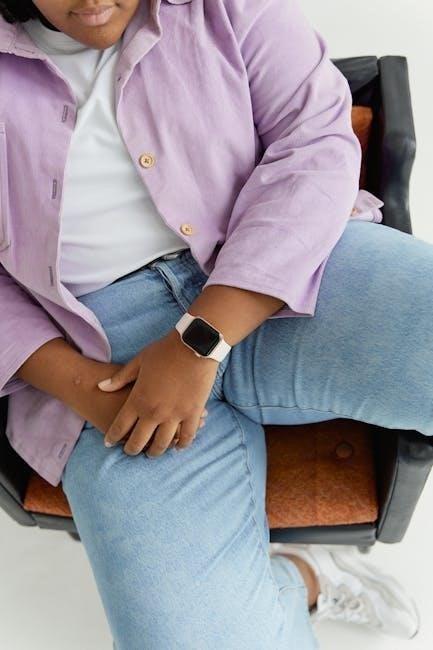
Flannel shirts often have a more relaxed fit, but accurate sizing remains crucial for comfort and style. Due to the fabric’s tendency to shrink slightly after washing, consider ordering a size up, especially if you prefer a looser fit or anticipate frequent laundering.
When selecting a flannel shirt, pay close attention to both chest and sleeve measurements. Refer to detailed size charts – often provided by retailers – to correlate your body measurements with the corresponding flannel shirt size.
Remember that flannel shirts are frequently worn as layering pieces, so allow for room to comfortably wear a t-shirt or sweater underneath. Variations in flannel weight and weave can also influence the fit; heavier flannels may feel more substantial and require a slightly larger size. Checking customer reviews can provide valuable insights into how a particular flannel shirt style tends to run in terms of sizing.
Dress Shirt Sizing
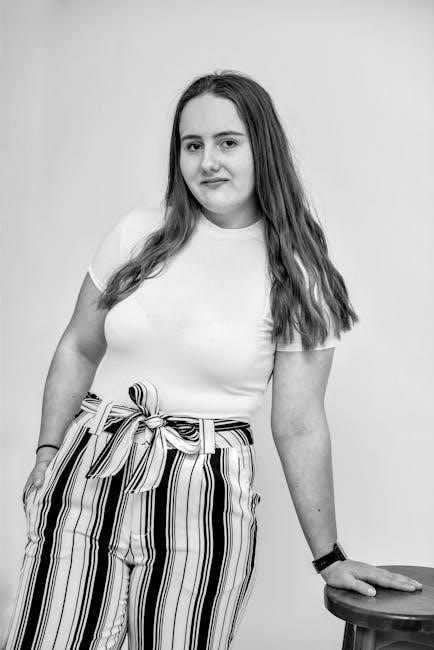
Dress shirts require a precise fit for a polished and professional appearance. Unlike casual shirts, dress shirts are typically sized based on neck and sleeve length, with chest size serving as a secondary reference. Accurate neck measurement is paramount; a too-tight collar is immediately noticeable and uncomfortable.
Sleeve length is determined by measuring from the center back of the neck, over the shoulder, and down to the wrist bone. Consider your preferred cuff style – shirts are available with varying cuff lengths.
Pay attention to the shirt’s ‘cut’ – slim fit, regular fit, or classic fit – as this significantly impacts the overall silhouette. Retailers often provide detailed size charts specifying neck, chest, and sleeve measurements for each size. Don’t hesitate to consult these charts and, if possible, try on shirts before purchasing to ensure a perfect fit.
T-Shirt Sizing
T-shirt sizing is generally more relaxed than dress shirt sizing, but still requires attention to detail for optimal comfort and style. While chest size is a primary factor, consider the desired fit – slim, regular, or loose. Many brands offer unisex sizing, but cuts can vary, so checking specific size charts is crucial.
Shoulder width and sleeve length are less critical in t-shirt sizing, but can impact the overall look, particularly in fitted styles. Pay attention to the fabric composition; shirts with stretch may offer a more forgiving fit.

Be mindful of shrinkage after washing, especially with cotton t-shirts. Consider purchasing a size up if you prefer a looser fit or anticipate significant shrinkage. Online retailers typically provide detailed measurements, allowing you to compare against your own body measurements for a confident purchase.

Troubleshooting Sizing Issues
Don’t despair if your shirt doesn’t fit perfectly! We’ll guide you through solutions for shirts that feel too tight or too loose, ensuring comfort.
What to Do If a Shirt Feels Too Tight
If your shirt restricts movement or feels uncomfortably snug, several factors might be at play. First, double-check your measurements against the size chart – perhaps you’ve gained a little, or the shirt runs smaller than expected. Consider whether the fabric has any stretch; a lack of give will exacerbate a tight fit.
Attempt a gentle stretch. For fabrics with some elasticity, carefully stretch the shirt in key areas like the chest and shoulders. If this provides minimal relief, it’s likely a sizing issue. Avoid forcing the stretch, as this can damage the garment.
Evaluate the shirt’s cut. Slim-fit shirts are intentionally more fitted, so if you prefer a looser feel, you might need to size up or opt for a regular or relaxed fit. Finally, remember that washing can sometimes shrink certain fabrics, so always follow the care instructions!
What to Do If a Shirt Feels Too Loose
A shirt that’s too loose can look sloppy and lack the polished appearance you desire. Begin by confirming your initial measurements; perhaps you’ve lost weight, or the shirt’s cut is simply more generous than anticipated. Consider if the style is intentionally relaxed – some shirts are designed for a looser silhouette.
Explore tailoring options. A skilled tailor can often take in a shirt to create a more fitted look, particularly around the waist and sides. This is a great investment for shirts you love. Alternatively, a belt can help define your waistline and create a more structured appearance;
Layering can also help. Wearing a fitted undershirt or a lightweight sweater underneath can add some bulk and improve the overall fit. If the sleeves are excessively long, consider rolling them up neatly for a more stylish look.