red river gorge climbing guide
Red River Gorge Climbing Guide: An Overview
The Red River Gorge, boasting over 4,000 routes, is globally celebrated as a premier sport climbing destination, attracting climbers from across the world.
This guide details popular areas like Roadside, Fortress, and Long Wall, each offering unique challenges and experiences for all skill levels.
Expect sandstone cliffs, arches, and vibrant fall colors, alongside essential gear, safety tips, and accommodation options like Miguel’s Campground.
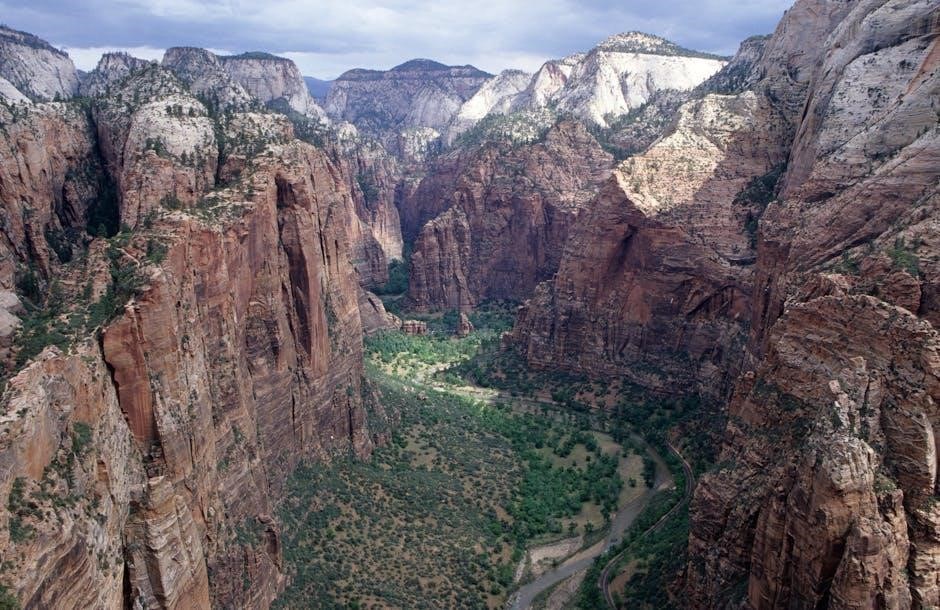
The Red River Gorge, nestled in the Daniel Boone National Forest of Kentucky, stands as a world-renowned climbing mecca. Its dramatic sandstone cliffs and arches have captivated climbers for decades, offering an unparalleled concentration of routes – exceeding 4,000 – catering to every ability level. From beginner-friendly slabs to challenging overhanging testpieces, the Gorge delivers a diverse climbing experience.
The area’s unique geology, sculpted by millions of years of erosion, creates a visually stunning landscape. Beyond the climbing, visitors can immerse themselves in the natural beauty of the forest, enjoying hiking trails and breathtaking views. The Gorge’s accessibility and welcoming atmosphere contribute to its enduring popularity, drawing climbers from across the globe seeking adventure and camaraderie. It’s a place where the spirit of climbing thrives, fostering a strong community and a deep connection with the outdoors.
History of Climbing in the Red River Gorge
Climbing in the Red River Gorge began gaining traction in the 1960s, initially with traditional climbing techniques on the massive sandstone formations. Early pioneers focused on establishing routes using removable protection, embracing the Gorge’s challenging cracks and faces. The 1980s witnessed a pivotal shift with the introduction of sport climbing, transforming the Gorge into a globally recognized destination.
This era saw the bolting of numerous routes, making climbing more accessible and fostering rapid development. The Gorge quickly became a testing ground for cutting-edge climbing, attracting elite athletes and pushing the boundaries of the sport. Today, the legacy of these early climbers continues to inspire, with ongoing route development and a vibrant climbing community dedicated to preserving the Gorge’s unique character and ensuring its accessibility for future generations.
Popular Climbing Areas
The Red River Gorge presents diverse climbing zones, including Roadside, known for its accessibility, Fortress, a trad climber’s haven, and Long Wall, famed for its concentration of routes.
Roadside Climbing Area
Roadside stands as one of the original and most historically significant climbing areas within the Red River Gorge. Its convenient location directly off the main road makes it incredibly accessible, attracting climbers of all levels, particularly those new to the Gorge. This accessibility, however, means it can become quite crowded, especially during peak seasons and weekends;
The climbing at Roadside is predominantly sport climbing, featuring a wide variety of routes catering to beginners through advanced climbers. Expect shorter approaches and well-bolted climbs, making it an ideal location to quickly sample the Red River Gorge’s climbing style. While it may not offer the solitude of more remote areas, Roadside provides a fantastic introduction to the Gorge’s unique sandstone formations and climbing challenges. It’s a perfect spot to warm up or enjoy a quick climbing session.
Routes at Roadside
Roadside boasts a diverse selection of routes, making it suitable for a wide range of climbing abilities. While specific route details fluctuate with updates and new bolting, several classics consistently draw climbers. Expect a concentration of routes in the 5.8 to 5.12 range, providing ample options for both beginners and intermediate climbers.
Popular choices often include well-protected, single-pitch sport climbs. Though specific route names weren’t provided, the area is known for its accessible and well-maintained climbs. Climbers can anticipate a mix of face climbing, crack climbing, and overhanging routes, showcasing the variety of the sandstone terrain. Roadside’s routes are frequently featured in climbing guidebooks and online resources, offering detailed descriptions and difficulty ratings. Remember to check current conditions and route closures before heading out.
Fortress Climbing Area (North Gorge)
Fortress, nestled within the North Gorge, is a haven for traditional climbers, celebrated for its solid rock formations and dependable stances. This area presents a more adventurous climbing experience compared to Roadside, demanding a higher level of skill and experience in placing protection. It’s a paradise for those seeking crack climbs and multi-pitch adventures.
The area’s appeal lies in its numerous beginner-friendly trad routes, making it an excellent location to hone traditional climbing techniques. Fortress offers a variety of crack systems, from hand cracks to finger cracks, providing diverse challenges. Expect a more secluded atmosphere than other areas, enhancing the sense of adventure. Careful route finding and solid crack climbing skills are essential for a safe and enjoyable experience at Fortress.
Trad Climbing at Fortress
Fortress truly shines as a trad climbing destination within the Red River Gorge, offering a wealth of opportunities for climbers of varying abilities. The area is renowned for its consistently high-quality sandstone, providing reliable placements for protection. Expect a focus on crack climbing, with routes featuring hand, finger, and off-width cracks.
Beginner trad climbers will find several approachable routes to build confidence, while experienced climbers can tackle more challenging and sustained lines. The solid rock and generally well-protected routes make Fortress a relatively safe environment for learning and pushing your trad skills. Remember to bring a full rack of cams and consider double ropes for longer routes. Route finding can be crucial, so study guidebooks and be prepared to assess placements carefully.
Long Wall Climbing Area
Long Wall stands out as a premier destination within the Red River Gorge, particularly celebrated for its exceptional concentration of traditional climbing routes. This area presents a sustained and challenging experience, appealing to seasoned trad climbers seeking multi-pitch adventures and intricate crack systems. The sheer length of the wall contributes to its name and the often lengthy routes found there.
Expect a diverse range of crack sizes, demanding precise placement and solid technique. While sport routes exist, Long Wall’s reputation is firmly rooted in its trad offerings. Climbers should be prepared for committing climbs, requiring careful route selection and a full rack of gear. The area’s popularity means routes can experience traffic, especially during peak season, so plan accordingly.
Concentration of Trad Routes at Long Wall
Long Wall truly distinguishes itself as the epicenter for traditional climbing within the Red River Gorge, boasting the highest density of trad routes across all areas. This concentration provides an unparalleled experience for those dedicated to the art of crack climbing and gear placement. Routes range significantly in difficulty, catering to climbers from intermediate levels upwards, though advanced skills are often required.
Notable routes like “Crack Attack” at Indian Creek Crag exemplify the quality and challenge found here. Expect sustained crack systems demanding both physical endurance and technical proficiency. The geological formations at Long Wall naturally lend themselves to crack development, resulting in a remarkable variety of climbing styles. Be prepared for longer approaches and potential waits at popular routes due to the area’s high demand.
Climbing Route Types
The Red River Gorge excels in both sport and traditional climbing, offering over 3,000 routes across 54 crags, plus extensive bouldering opportunities for all abilities.
Sport Climbing in the Red River Gorge
The Red River Gorge is internationally renowned as a world-class sport climbing destination, with more than 4,000 routes adorning its sandstone cliffs. This abundance provides climbers of every skill level with a lifetime of weekend climbing enjoyment. The gorge’s popularity stems from the high concentration of well-bolted, accessible routes, making it ideal for both beginners and seasoned athletes.
Routes range dramatically in difficulty, from introductory climbs to challenging projects pushing the limits of even the most experienced climbers. The gorge’s unique geological formations create diverse climbing styles, including overhanging roofs, vertical faces, and technical slabs. Expect to find routes catering to every preference, ensuring a fulfilling experience for all who visit. The consistent sandstone quality and reliable bolting contribute to the area’s exceptional reputation within the climbing community.
Trad Climbing in the Red River Gorge
The Red River Gorge presents a fantastic trad climbing experience, particularly within areas like Fortress in the North Gorge and Long Wall, which boasts the highest concentration of trad routes. Fortress is a trad climber’s paradise, offering solid rock, excellent stances, and numerous beginner-friendly options, making it perfect for those new to the discipline. Long Wall, however, caters to more experienced climbers seeking challenging multi-pitch adventures.
Expect crack climbs of varying sizes and difficulties, demanding a diverse rack and solid technique. The gorge’s sandstone provides unique placements, requiring adaptability and careful gear selection. While sport climbing dominates, the trad opportunities are substantial and rewarding, offering a more adventurous and self-reliant climbing style. Remember to prioritize safety and assess routes thoroughly before embarking on a trad climb.
Beginner-Friendly Trad Routes
For those new to trad climbing in the Red River Gorge, several routes offer a gentle introduction to the discipline. Fortress area is particularly well-suited, providing solid rock and manageable difficulties. Crack Attack (5.9) at Indian Creek Crag is frequently recommended as an excellent starting point, offering consistent cracks for practice placements.
Routes in the 5.7 to 5.9 range are ideal for building confidence and honing skills. Focus on routes with well-defined cracks and shorter lengths to minimize exposure. Prioritize practicing gear placement and anchor building under the guidance of an experienced climber. Remember to thoroughly inspect all gear and double-check your systems before committing to the climb. Gradual progression is key to developing safe and efficient trad climbing habits within the gorge’s unique sandstone environment.
Bouldering in the Red River Gorge
While famed for its sport and trad climbing, the Red River Gorge also presents a growing bouldering scene. Though not as extensively developed as other areas, the Gorge offers unique sandstone problems, often characterized by powerful moves and technical features. Bouldering areas are scattered throughout the region, requiring some exploration to discover hidden gems.
Expect a mix of overhanging roofs, technical slabs, and challenging crimps. Crash pads are essential, and a spotter is highly recommended. The sandstone can be abrasive, so bring extra tape for your hands. Due to the dispersed nature of the bouldering, guidebooks and online resources are crucial for finding established problems and assessing difficulty levels. Be prepared for a more adventurous bouldering experience, often involving hiking and route finding.
Essential Gear and Safety
Climbing in the Red River Gorge demands appropriate equipment – ropes, harnesses, quickdraws, and helmets are vital. Prioritize safety by checking gear, understanding anchor systems, and being aware of sandstone fragility.
Required Climbing Equipment
A comprehensive gear list is crucial for a safe and enjoyable climbing experience in the Red River Gorge. Essential items include a dynamic climbing rope (60m or 70m is standard), a well-fitting climbing harness, and a reliable belay device. Don’t forget locking carabiners – several are needed for anchors and belaying. Quickdraws are indispensable for sport climbing, with a sufficient quantity based on the route length.
For trad climbers, a full set of cams, nuts, and associated slings are mandatory. A helmet is non-negotiable, protecting against rockfall, a common occurrence given the sandstone’s nature. Climbing shoes suited to the steep, pocketed climbs of the Red are also vital. Bring a first-aid kit, headlamp, and plenty of water. Consider bringing a rope bag to keep your rope clean and organized. Finally, a guidebook detailing routes and ratings is highly recommended for planning your climbs.
Safety Considerations for Red River Gorge Climbing
Red River Gorge presents unique safety challenges. Sandstone rockfall is a significant hazard; always wear a helmet and be mindful of climbers above. Thoroughly inspect all gear before each climb, checking ropes for damage and ensuring carabiners lock correctly. Communicate clearly with your belayer, confirming commands before each movement.
Be aware of the environment – weather can change rapidly. Avoid climbing during or immediately after rain, as the sandstone becomes slippery. Understand your limits and choose routes appropriate for your skill level. Always inform someone of your climbing plans and expected return time. Familiarize yourself with anchor building techniques if trad climbing. Finally, respect the climbing community and practice Leave No Trace principles to preserve this beautiful area.
Accommodation and Camping
Miguel’s Campground is a popular, inexpensive, and communal option centrally located for climbers. Other camping choices exist, offering varied amenities and proximity to climbing areas.
Miguel’s Campground
Miguel’s Campground stands as the most frequented lodging choice among climbers visiting the Red River Gorge. Its central location provides unparalleled convenience, placing climbers directly within the heart of the climbing action. The campground is renowned for its affordability, making it an excellent option for budget-conscious adventurers.
Expect a communal atmosphere at Miguel’s, fostering a vibrant social scene where climbers readily share beta and stories. Facilities typically include restrooms and water sources, though amenities are generally basic, prioritizing cost-effectiveness. Reservations are highly recommended, especially during peak seasons like fall, when the Gorge experiences a surge in visitors.
The campground’s popularity means spaces fill quickly, so planning ahead is crucial. It’s a fantastic basecamp for exploring the numerous crags and enjoying the unique beauty of the Red River Gorge.
Other Camping Options
Beyond Miguel’s Campground, the Red River Gorge area offers a diverse range of camping experiences to suit various preferences; Natural Bridge State Resort Park provides developed campsites with more amenities, including showers and electrical hookups, though it’s a bit further from many climbing areas.
For a more secluded experience, dispersed camping is permitted in the Daniel Boone National Forest, surrounding the Gorge, with certain restrictions and permits often required. These sites offer greater privacy but necessitate self-sufficiency regarding water and waste disposal.
Several privately-owned campgrounds also dot the landscape, offering varying levels of comfort and convenience. Consider Koomer Ridge Campground or Gladie Learning Center for alternative options. Researching availability and specific regulations is essential before embarking on your camping adventure.
Seasonal Climbing Conditions
The Red River Gorge experiences distinct seasons impacting climbing. Fall offers ideal temperatures and vibrant colors, while winter demands careful consideration due to cold and potential ice.
Fall Climbing in the Red River Gorge
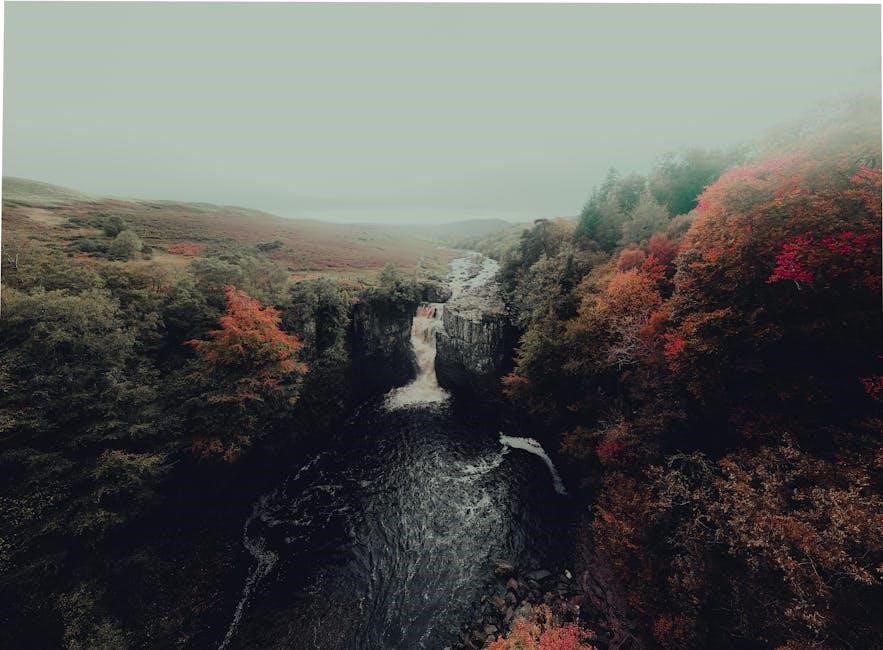
Autumn in the Red River Gorge presents arguably the most sought-after climbing conditions. As temperatures cool, the sandstone cliffs explode with vibrant fall foliage, creating a breathtaking backdrop for your ascent. The moderate weather provides optimal friction for climbing, enhancing grip and performance.
However, this popularity comes with increased traffic. Expect crowded trailheads and parking areas, especially on weekends. Arriving early or considering weekday climbs is highly recommended to secure a spot and enjoy a more peaceful experience. The winding two-lane roads leading to the climbing areas also become busier during peak fall season.
Despite the crowds, the combination of excellent climbing and stunning scenery makes fall a truly unforgettable time to visit the Red River Gorge. Be prepared for potentially cooler evenings and pack layers to adjust to changing conditions throughout the day.
Winter Climbing Considerations
Winter climbing in the Red River Gorge presents unique challenges and rewards. While the crowds thin considerably, conditions can be unpredictable. Temperatures fluctuate, and ice can form on routes, demanding increased caution and specialized gear like ice screws for certain climbs.
Sun angles are lower, meaning routes may stay shaded for longer periods, leading to colder rock temperatures and potentially slick conditions. Checking weather forecasts meticulously is crucial, as sudden temperature drops can create hazardous situations. Be prepared for potential snow or freezing rain, impacting access roads and trail conditions.
Despite these challenges, winter offers a serene climbing experience with crisp air and stunning views. Layering clothing is essential, and bringing extra provisions is always a good idea. Remember to inform someone of your climbing plans and expected return time.
Resources and Further Information
For detailed maps and route information, explore online resources and local climbing shops. Miguel’s Campground and other options provide essential support for your adventure.
Red River Gorge Climbing Maps
Navigating the Red River Gorge requires reliable maps due to the extensive network of trails and climbing areas. Several resources are available, catering to different preferences and levels of detail. Traditional paper maps, like those published by local climbing organizations, offer a tangible and durable option, often including topographical information and route overlays.
However, digital maps are increasingly popular, providing interactive features and GPS integration. Websites and mobile applications dedicated to climbing often feature user-submitted route information, photos, and condition updates. These platforms allow climbers to download maps for offline use, crucial given the limited cell service in many parts of the gorge.
Consider purchasing maps specifically designed for climbing, as they will highlight crags, routes, and access points. Always cross-reference map information with current conditions and recent reports from other climbers to ensure accuracy and safety. Remember that the gorge is vast, and proper planning with a detailed map is essential for a successful and enjoyable climbing experience.
Local Climbing Shops
Supporting local businesses is crucial when visiting the Red River Gorge, and several climbing shops cater specifically to the needs of climbers. These shops offer a wide range of equipment, from ropes and harnesses to shoes and chalk bags, as well as expert advice on route selection and conditions.
Many shops provide gear repair services, which can be invaluable during a multi-day climbing trip. They also often stock guidebooks, maps, and other essential resources for exploring the gorge. Beyond equipment, these shops serve as hubs for the climbing community, offering a place to connect with other climbers and learn about local events.
Checking with local shops for current conditions reports is highly recommended, as they often receive up-to-date information from climbers in the area. Patronizing these businesses helps sustain the climbing infrastructure and ensures continued access to this world-class destination.