
eagle scout service project final plan pdf
Eagle Scout Service Project Final Plan PDF: A Comprehensive Plan

The BSA provides templates – a proposal and a Project Plan (7Eagle) – to aid in Eagle project planning‚ alongside forms for fundraising and reporting.
A comprehensive final plan demonstrates thorough development‚ fulfilling Eagle Scout requirement 5‚ and aids in successful project execution and BSA data collection.
Understanding the Eagle Scout Service Project
The Eagle Scout Service Project is the culmination of a Scout’s leadership journey‚ demanding significant planning and execution. It’s more than just volunteering; it requires identifying a community need and orchestrating a project to address it.

This project showcases a Scout’s ability to lead others‚ manage resources‚ and deliver tangible benefits. The final plan PDF serves as a roadmap‚ detailing every aspect from initial concept to completion. Understanding the project’s scope‚ requirements‚ and the importance of meticulous documentation is crucial for success.
Benefiting organizations and adult leaders play vital roles‚ offering guidance and support throughout the process.
The Importance of a Detailed Plan
A detailed plan isn’t merely a formality; it’s the cornerstone of a successful Eagle Scout Service Project. It demonstrates the Scout’s commitment to thorough preparation and responsible leadership. The plan clarifies goals‚ outlines tasks‚ and anticipates potential challenges‚ minimizing risks and maximizing efficiency.
This comprehensive document aids communication with beneficiaries‚ volunteers‚ and the BSA. It proves the Scout has fulfilled requirement 5 – planning and developing the project.
A well-crafted plan also facilitates accurate tracking of hours and resources‚ essential for reporting and demonstrating the project’s impact.
Required Forms and Documents
Successfully navigating the Eagle Scout Service Project necessitates completing several key forms and documents. These ensure adherence to BSA guidelines and facilitate project approval and reporting.
Essential forms include the Eagle Scout Project Proposal‚ outlining the project’s initial concept‚ and the Eagle Scout Project Plan (Form 7Eagle)‚ detailing the execution strategy.
A Fundraising Application is required if the project involves fundraising‚ while the Eagle Scout Service Project Report documents completion and impact. Utilizing these forms streamlines the process and demonstrates organizational skills.
Eagle Scout Project Proposal
The Eagle Scout Project Proposal is the foundational document initiating the service project process. It clearly articulates the project’s core concept and demonstrates initial planning.
This proposal outlines the identified need within the community‚ the proposed solution‚ and the anticipated benefits to the beneficiary organization.
It’s crucial to detail the project’s scope‚ including a preliminary timeline and resource assessment. The proposal serves as a formal request for approval from both the beneficiary and the Scout’s unit leaders‚ setting the stage for detailed planning and execution.
Eagle Scout Project Plan (Form 7Eagle)
Form 7Eagle‚ the Eagle Scout Project Plan‚ is a detailed roadmap for executing the approved project proposal. It expands upon the initial concept‚ providing a comprehensive blueprint for success.
This plan meticulously breaks down the project into manageable tasks‚ assigning responsibilities and establishing a realistic timeline. It includes a detailed materials list‚ a comprehensive budget‚ and a strategy for volunteer recruitment and management.
Form 7Eagle demonstrates thorough planning and preparedness‚ showcasing the Scout’s ability to lead and organize a significant service endeavor.
Fundraising Application (If Applicable)
If the Eagle Scout service project requires financial resources beyond the Scout’s personal means‚ a Fundraising Application is essential. This form outlines the fundraising goal‚ detailing the specific needs and associated costs.
The application must clearly articulate the fundraising methods planned‚ ensuring they align with BSA guidelines and ethical practices. It requires approval from the Scout’s unit leader and the council development committee.
A well-prepared application demonstrates responsible financial planning and a commitment to transparency in managing project funds‚ vital for successful execution.
Eagle Scout Service Project Report
The Eagle Scout Service Project Report is a crucial final document detailing the entire project lifecycle. It comprehensively summarizes the initial planning‚ execution‚ and ultimate completion of the service project.
This report requires a detailed account of all activities‚ including challenges encountered and how they were overcome. It necessitates accurate documentation of volunteer hours contributed by each participant.
Submitting a thorough report demonstrates fulfillment of the Eagle Scout requirements and provides valuable insight into the Scout’s leadership and project management skills‚ essential for final approval.
Project Planning: 10 Key Steps
Effective Eagle Scout project planning isn’t simply choosing an idea; it’s a structured process. There are ten distinct steps vital for organizing a successful service project.
These steps encompass identifying a genuine community need‚ brainstorming viable project ideas‚ and developing a detailed proposal. Securing beneficiary approval and conducting initial meetings are also critical.
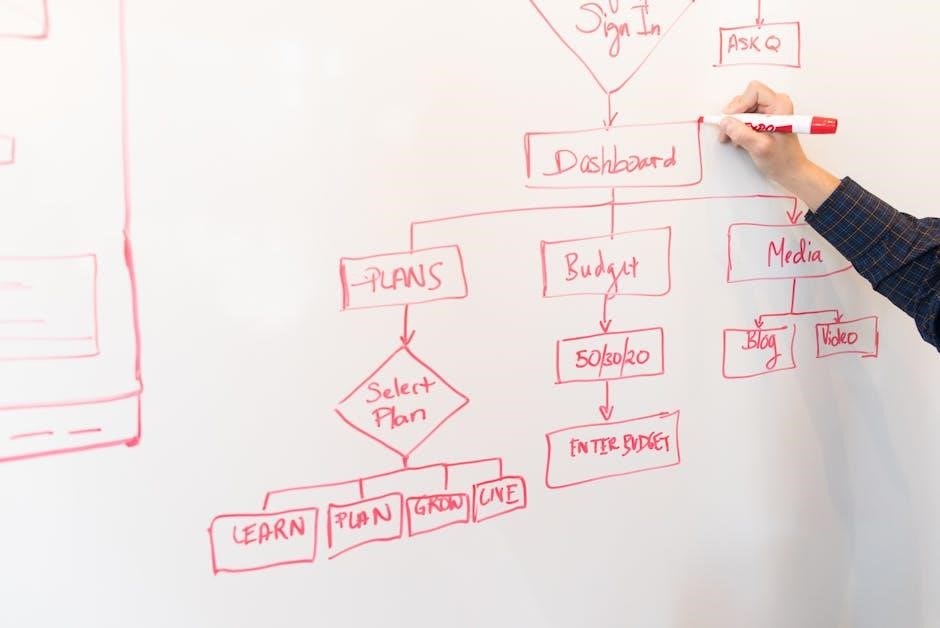
Further steps involve meticulous planning‚ creating a realistic timeline‚ managing resources‚ and addressing potential risks. Finally‚ execution‚ monitoring‚ and thorough reporting complete the process‚ ensuring a meaningful and impactful service experience.
Step 1: Identifying a Need
The foundation of any successful Eagle Scout project lies in recognizing a genuine need within the community. This initial step requires careful observation and investigation to pinpoint areas where service can make a tangible difference.
Consider local organizations‚ schools‚ or public spaces that could benefit from improvements or assistance. Look for problems that align with your interests and skills‚ ensuring a fulfilling project experience.
A well-defined need provides purpose and direction‚ shaping the project’s goals and objectives‚ and ultimately maximizing its impact on the beneficiary.
Step 2: Brainstorming Project Ideas
Once a community need is identified‚ the next crucial step involves generating a range of potential project ideas. This phase encourages creativity and exploration‚ allowing you to consider various approaches to address the identified problem.
Don’t limit yourself initially; list all possible solutions‚ regardless of feasibility. Consider your skills‚ available resources‚ and the scope of the project.
Explore 101 Eagle Scout project ideas for inspiration‚ then refine your list‚ evaluating each idea’s potential impact‚ practicality‚ and alignment with Eagle Scout requirements.
Step 3: Project Proposal Development
After brainstorming‚ formalize your chosen idea into a detailed project proposal. This document‚ a key component of the final plan‚ outlines the project’s scope‚ goals‚ and implementation strategy.
Utilize the BSA-provided proposal template to ensure all necessary information is included. Clearly articulate the beneficiary‚ the problem you’re addressing‚ and your proposed solution.
Detail the project’s timeline‚ required resources‚ and potential challenges. A well-crafted proposal demonstrates thorough planning and is essential for gaining beneficiary approval.
Step 4: Beneficiary Approval & Initial Meetings
Securing approval from the benefiting organization is crucial before proceeding. Present your detailed project proposal and discuss its feasibility and impact with them.
Initial meetings are vital for clear communication and collaboration. Address any concerns the beneficiary may have and incorporate their feedback into your plan.
Provide the beneficiary with the “Navigating the Eagle Scout Service Project” information sheet to ensure they understand the process and their role. Formal approval signifies their commitment and support for your project.
Step 5: Detailed Project Planning & Timeline
Following beneficiary approval‚ develop a comprehensive project plan using the BSA’s 7Eagle Scout Service Project Plan form. This involves breaking down the project into specific‚ manageable tasks.
Create a realistic timeline with start and end dates for each task‚ considering potential delays and resource availability. Include milestones to track progress and ensure accountability.
A well-defined plan demonstrates your organizational skills and commitment to completing the project successfully. Regularly review and update the timeline as needed throughout the project’s execution.
Components of the Final Project Plan PDF
The final plan PDF should encompass a clear project overview and description‚ outlining the project’s purpose and scope. Define specific‚ measurable goals and objectives to demonstrate anticipated impact.
A detailed task breakdown is crucial‚ listing each step required for completion. Include a comprehensive materials list with estimated costs‚ forming a detailed budget.
This documentation showcases thorough planning and development‚ fulfilling Eagle Scout requirement 5. The plan serves as a roadmap for execution and a record of your organizational abilities.
Project Overview and Description
The project overview clearly defines the service project’s purpose‚ outlining what will be accomplished and for whom. A concise description details the project’s scope‚ including the location and the beneficiaries it will serve.
This section establishes the project’s context‚ explaining the identified need and how the project addresses it. It should articulate the project’s overall impact on the benefiting organization or community.
A well-written overview provides a foundational understanding for reviewers and stakeholders‚ demonstrating a clear vision for the project’s execution and ultimate success.
Project Goals and Objectives
Clearly defined goals articulate the broad‚ overarching aims of the Eagle Scout service project. These should align with the identified community need and the beneficiary’s requirements.
Objectives are specific‚ measurable‚ achievable‚ relevant‚ and time-bound (SMART) steps that contribute to achieving the project goals. They detail how the project will deliver its intended impact.
This section demonstrates a focused and strategic approach‚ outlining tangible outcomes and providing a framework for evaluating project success. Well-defined goals and objectives are crucial for effective planning and execution.
Detailed Task Breakdown
A comprehensive task breakdown decomposes the project into smaller‚ manageable steps. Each task should be clearly defined‚ with assigned responsibilities and estimated completion times.
This section outlines the sequential order of activities‚ from initial preparation to final completion‚ ensuring a logical workflow. It facilitates efficient resource allocation and progress monitoring.
Include specific actions‚ like material procurement‚ site preparation‚ construction phases‚ and final cleanup. A detailed breakdown minimizes ambiguity and maximizes project control‚ demonstrating thorough planning.
Materials List and Budget
A meticulously crafted materials list is crucial for accurate cost estimation and procurement. Itemize every required component‚ specifying quantities‚ unit costs‚ and total expenses.
The budget should encompass all anticipated costs‚ including materials‚ tools‚ permits‚ and potential contingency funds. Detailed documentation justifies expenses and demonstrates financial responsibility.
Explore potential cost-saving measures without compromising project quality. A well-defined budget‚ coupled with a comprehensive materials list‚ ensures financial feasibility and project success‚ showcasing responsible planning.
Volunteer Recruitment and Management
Effective volunteer recruitment is vital for project completion. Identify potential volunteers through troop members‚ family‚ friends‚ and community organizations.
Clear communication of roles and expectations is essential. Develop a volunteer schedule‚ coordinating tasks and ensuring adequate supervision. Accurate tracking of volunteer hours is crucial for BSA reporting.

Recognize and appreciate volunteer contributions. Proper management fosters a positive experience‚ maximizing participation and ensuring a successful project outcome‚ demonstrating leadership skills.
Identifying Potential Volunteers
Begin by considering your Scout troop members as a primary volunteer source. Expand your search to include family members‚ offering diverse skills and support.
Reach out to friends‚ schoolmates‚ and community organizations – churches‚ clubs‚ and local businesses – seeking assistance. Clearly define the skills needed for various tasks.
Consider age and ability when assigning roles. A diverse volunteer base enhances project capabilities and demonstrates leadership in community engagement‚ ensuring a successful outcome.

Volunteer Coordination and Scheduling
Effective coordination is crucial for a smooth project execution. Utilize a sign-up sheet or online tool to track volunteer availability and assigned tasks.
Create a detailed schedule outlining workdays‚ times‚ and specific responsibilities. Communicate this schedule clearly to all volunteers well in advance.
Designate a point person for each task to ensure accountability and efficient workflow. Regular check-ins and open communication will address issues promptly‚ maximizing volunteer contributions and project success.
Tracking Volunteer Hours
Accurate hour tracking is vital for BSA reporting and demonstrating project impact. Maintain a detailed log‚ including each volunteer’s name‚ date of service‚ and hours contributed.
Utilize a standardized timesheet or digital tracking system to ensure consistency and minimize errors. Include planning hours in the total‚ as these contribute to the citizenship aim.
Regularly collect and verify timesheets‚ addressing any discrepancies promptly. This meticulous record-keeping supports data submission to the BSA and showcases the collective effort invested in the project.
Risk Assessment and Safety Considerations
A thorough risk assessment is crucial for a safe and successful Eagle Scout project. Identify potential hazards associated with each task‚ considering factors like tools‚ environment‚ and volunteer experience.
Develop and implement specific safety measures to mitigate identified risks. This includes providing appropriate personal protective equipment (PPE)‚ establishing clear safety protocols‚ and ensuring adequate supervision.
Communicate safety guidelines to all volunteers and enforce adherence. Prioritize safety throughout the project lifecycle‚ fostering a culture of awareness and responsibility.
Identifying Potential Hazards
Begin by meticulously examining each project task to pinpoint potential dangers. Consider risks associated with tools – sharp objects‚ power equipment – and the work environment‚ such as uneven terrain or weather conditions.
Assess volunteer skill levels and experience; inexperienced individuals may require closer supervision or modified tasks. Evaluate potential hazards related to materials used‚ like allergies or chemical exposure.
Document all identified hazards in a comprehensive list‚ categorizing them by severity and likelihood. This detailed assessment forms the foundation for effective safety planning.
Implementing Safety Measures
Based on the hazard assessment‚ develop and implement specific safety protocols for each identified risk. This includes providing appropriate Personal Protective Equipment (PPE) – gloves‚ eye protection‚ hard hats – and ensuring its proper use.
Establish clear safety guidelines and communicate them effectively to all volunteers through a safety briefing before work begins. Designate a safety officer responsible for monitoring compliance and addressing concerns.
Ensure first-aid supplies are readily available and that someone on-site is trained in basic first aid and CPR. Regularly inspect tools and equipment for defects.
Fundraising Strategies (If Necessary)
If your project requires funding‚ begin with clearly defined fundraising goal setting‚ outlining specific amounts needed for materials and expenses. Explore diverse fundraising methods‚ such as local business sponsorships‚ community car washes‚ or online donation platforms.

Develop engaging fundraising activities that appeal to potential donors and clearly communicate the project’s benefit to the beneficiary and community. Maintain meticulous records of all donations received and expenses incurred.
Ensure all fundraising efforts comply with BSA guidelines and local regulations.
Fundraising Goal Setting
Establishing a realistic fundraising goal is paramount for project success. Begin by creating a detailed materials list and budget‚ accurately estimating all associated costs. Research potential funding sources and their typical contribution amounts to inform your target goal.
Consider a tiered approach‚ setting a minimum goal to cover essential expenses and a stretch goal for enhanced project features. Clearly articulate how funds will be utilized to build donor confidence.

Document your fundraising goal and justification within the project plan.
Fundraising Methods and Activities
Diverse fundraising methods maximize reach and potential contributions. Consider traditional approaches like donation requests from local businesses and community members. Organize fundraising events – car washes‚ bake sales‚ or crowdfunding campaigns – to engage supporters.
Explore grant opportunities relevant to your project’s focus. Leverage social media and online platforms to broaden your fundraising network.
Document all fundraising activities‚ income‚ and expenses meticulously within your project plan and report. Ensure compliance with BSA fundraising guidelines.
Project Execution and Monitoring
Diligent execution and consistent monitoring are crucial for project success. Adherence to the established timeline is paramount; proactively address any potential delays. Implement quality control measures throughout each phase to ensure work meets established standards.
Regularly assess progress against project goals and objectives. Maintain open communication with volunteers and the beneficiary organization.
Document all activities‚ challenges encountered‚ and solutions implemented. This detailed record-keeping demonstrates responsible project management and aids in final reporting.
Timeline Adherence
Maintaining the project timeline is essential for a successful Eagle Scout service project. Proactively monitor progress against scheduled dates‚ identifying potential roadblocks early on. Develop contingency plans to address unforeseen delays‚ such as material shortages or volunteer availability issues.
Regularly communicate updates to the beneficiary and volunteer team regarding the project’s schedule. Adjust the timeline if necessary‚ but document all changes and their rationale.
Consistent tracking and proactive management ensure timely project completion and demonstrate responsible leadership.
Quality Control
Maintaining high-quality workmanship is paramount throughout the Eagle Scout service project. Implement regular checks at each stage to ensure work meets pre-defined standards and beneficiary expectations. Address any deficiencies promptly‚ rectifying issues before they escalate.
Clearly define quality benchmarks for each task‚ and provide volunteers with necessary guidance and training. Document all quality control measures taken‚ including inspection dates and corrective actions.
A commitment to quality reflects positively on the Scout’s leadership and dedication to service.
Project Completion and Reporting
Upon project completion‚ submitting a final report is crucial. This report details the entire process‚ from initial planning to final execution‚ demonstrating fulfillment of Eagle Scout requirements. Accurate documentation of all hours worked – including planning time – is essential for BSA data collection.
Ensure the report is thorough‚ including photos and beneficiary confirmation of project completion. Properly submitted documentation validates the Scout’s leadership and commitment to service‚ finalizing the Eagle Scout journey.
The final report serves as a lasting record of a significant achievement.
Final Project Report Submission
Submitting the final project report signifies the culmination of the Eagle Scout service project. This comprehensive document details the entire undertaking‚ showcasing planning‚ execution‚ and impact. It’s vital to ensure the report is complete‚ accurate‚ and reflects the Scout’s leadership throughout the process.
Include beneficiary confirmation of project completion and supporting documentation‚ like photos. The report isn’t merely a formality; it’s a testament to dedication and service‚ crucial for final approval.
Careful submission ensures a smooth path to earning the Eagle Scout Award.
Documentation of Hours Worked
Accurate tracking of all hours dedicated to the Eagle Scout service project is paramount. This includes not only direct work on the project itself‚ but also time spent in planning and development phases. Maintaining a detailed list of volunteers and their respective hours is essential for reporting to the BSA.
The BSA collects this data to demonstrate the impact of Eagle Scout service on communities and to highlight the commitment to citizenship. Include all hours when submitting your final report‚ ensuring transparency and accountability.
Proper documentation supports the Eagle Scout application.
Resources and Support
The Boy Scouts of America (BSA) offers extensive resources to support Eagle Scout candidates throughout their service project journey. A dedicated Eagle Scout Resources Page provides access to essential forms‚ guides‚ and templates‚ including the Project Proposal and the 7Eagle Scout Service Project Plan.
Furthermore‚ a comprehensive “Guide for Adult Leaders & Benefiting Organizations” is available‚ designed to assist adults and beneficiary representatives in supporting the candidate. These resources streamline the planning process and ensure adherence to BSA guidelines.
Utilizing these tools maximizes project success.
BSA Eagle Scout Resources Page
The BSA’s Eagle Scout Resources Page serves as a central hub for all project-related materials. Candidates can directly access vital documents like the Eagle Scout Project Proposal form‚ crucial for outlining initial ideas and gaining approval.
The page also hosts the 7Eagle Scout Service Project Plan‚ a detailed template for comprehensive planning and timeline development. Additionally‚ candidates will find fundraising application forms‚ if needed‚ and resources for the final project report submission.
This page is a critical starting point for a well-organized project.
Guide for Adult Leaders & Benefiting Organizations
This guide is specifically designed to assist adult leaders and representatives of the benefiting organization in supporting the Eagle candidate throughout the project. It clarifies roles and responsibilities‚ ensuring a collaborative and successful experience for everyone involved.
The guide details the necessary project forms – proposal‚ plan‚ fundraising application‚ and report – and explains the approval process. It emphasizes clear communication and provides insights into navigating the project requirements effectively.
It’s a valuable resource for fostering a positive and productive partnership.
Navigating the Eagle Scout Service Project – Beneficiary Information
Before approving a project proposal‚ it’s crucial to provide the beneficiary organization with a dedicated information sheet – “Navigating the Eagle Scout Service Project”. This document clearly outlines the Eagle Scout service project process‚ expectations‚ and the beneficiary’s role in ensuring its success.
It fosters transparency and mutual understanding‚ preventing misunderstandings and promoting a positive working relationship. Providing this information upfront demonstrates respect for the beneficiary’s time and resources‚ and sets the stage for a collaborative partnership.
Effective communication is key throughout the project.
Providing Information to the Beneficiary
Share the “Navigating the Eagle Scout Service Project” information sheet early in the process‚ before formal proposal submission. This proactive step ensures the beneficiary understands the scope of the project‚ the Scout’s responsibilities‚ and their own role in approvals and oversight.
Explain the project phases – proposal‚ planning‚ execution‚ and reporting – and the associated timelines. Clearly communicate the need for their input and timely feedback. Transparency builds trust and facilitates a smooth collaboration‚ maximizing the project’s impact and ensuring a positive experience for all involved.
Ensuring Clear Communication
Maintain consistent and open communication with the beneficiary throughout the entire project lifecycle. Regular updates‚ even brief ones‚ demonstrate commitment and address potential concerns proactively. Schedule frequent meetings – initial‚ planning‚ progress‚ and completion – to discuss details and gather feedback.
Document all communication‚ including meeting minutes and email exchanges‚ for a clear record of decisions and agreements. Confirm understanding of expectations and responsibilities on both sides. Effective communication fosters a strong partnership and contributes significantly to project success.
Data Collection and Reporting to BSA
The BSA collects data on Eagle Scout service project hours to measure progress towards its citizenship aim. Accurate hour tracking is crucial; maintain a detailed list of all volunteers and the time they dedicate to the project‚ including planning phases. Include all hours spent on planning within the ‘Total Hours Worked’ figure.
Submit this information to the BSA alongside your final project report. This data provides valuable insights into the impact of Eagle Scout service projects nationwide. Thorough documentation ensures proper recognition of volunteer contributions and demonstrates project scope.
Importance of Accurate Hour Tracking

Maintaining a precise record of volunteer hours is paramount for BSA reporting and demonstrating the project’s community impact. Accurate tracking validates the scope of the service provided and acknowledges the dedication of all participants. It’s essential to include time spent in all phases‚ from initial planning to final execution.
The BSA utilizes this data to assess the collective citizenship contribution of Eagle Scouts. Detailed records support the project’s legitimacy and ensure proper credit is given. A comprehensive hour log showcases commitment and organizational skills.
Submitting Data to the BSA
After meticulous hour tracking‚ the final step involves submitting this crucial data to the Boy Scouts of America. This submission is typically integrated with the final project report‚ ensuring a complete record of the service completed. The BSA utilizes this information to quantify the collective impact of Eagle Scout projects nationwide.
Ensure all volunteer hours are accurately tallied and clearly presented in the designated format. Proper submission demonstrates accountability and fulfills the requirements for project approval. Detailed data supports the BSA’s mission of fostering citizenship and leadership.