are motorcycles automatic or manual
Motorcycle Transmissions: Automatic vs․ Manual – A Comprehensive Overview
Motorcycles predominantly feature manual transmissions, though automatic, dual-clutch, and semi-automatic options are emerging․ Understanding these variations is crucial for riders seeking optimal control and convenience․
Historically, manual gearing dominated, but advancements now offer alternatives, impacting shift control and overall riding experiences across scooters and larger models․
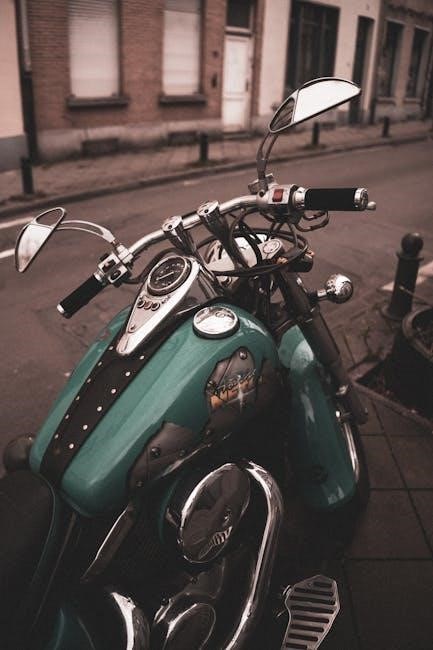
Motorcycle transmissions are a fundamental component, dictating how the engine’s power reaches the rear wheel, ultimately influencing speed and control․ For decades, the vast majority of motorcycles have employed manual transmissions, requiring the rider to actively manage gear changes using a clutch lever and foot-operated gear selector․ This system provides a direct connection and a sense of control highly valued by many enthusiasts․
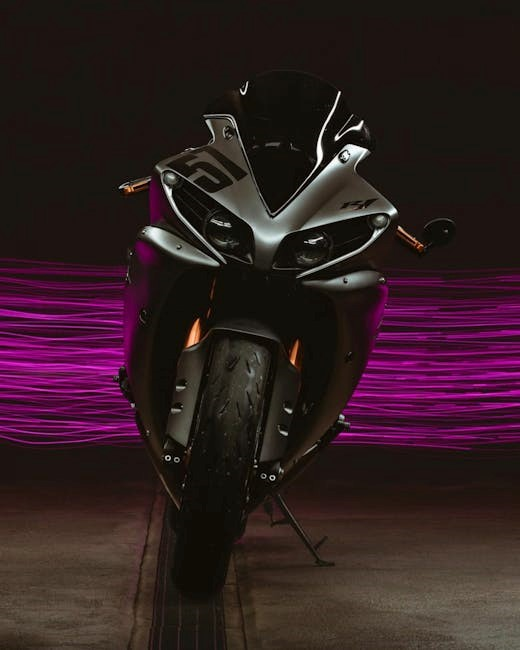
However, the landscape is evolving․ While manuals remain prevalent, automatic transmissions, including traditional automatics and more sophisticated Dual-Clutch Transmissions (DCT), are gaining traction․ These systems handle gear changes independently, offering increased convenience, particularly in urban environments․ Semi-automatic transmissions represent a middle ground, often omitting the clutch lever for simplified operation․
The choice between these transmission types significantly impacts the riding experience․ Manual transmissions demand rider involvement, while automatics prioritize ease of use․ Understanding the nuances of each system – their mechanics, advantages, and disadvantages – is essential for any motorcycle rider or prospective buyer․ This overview will delve into the specifics of each type, exploring their functionality and suitability for various riding styles and needs․
The Core Difference: Manual vs․ Automatic
The fundamental distinction between manual and automatic motorcycle transmissions lies in who controls the gear selection․ Manual transmissions necessitate the rider’s active participation – coordinating clutch lever operation with the gear selector to change ratios, directly influencing engine RPM and wheel speed․ This demands skill and provides a heightened sense of connection with the machine․
Conversely, automatic transmissions remove this rider responsibility․ These systems utilize internal mechanisms – whether traditional torque converters or advanced Dual-Clutch Technology – to automatically select the optimal gear based on speed, throttle input, and other parameters․ This simplifies operation, reducing rider workload and potentially improving fuel efficiency․
Essentially, manual transmissions prioritize control and engagement, while automatics emphasize convenience and ease of use․ The power transfer process differs significantly; manuals rely on a direct mechanical linkage, while automatics employ fluid coupling or sophisticated electronic controls․ The choice reflects individual rider preferences and intended use – spirited riding often favors manuals, while commuting may benefit from the simplicity of an automatic system․
Manual Motorcycle Transmissions
Manual transmissions are the traditional standard, requiring riders to actively manage gear changes via a clutch and selector․ They offer direct control and a connected riding experience․
These systems remain popular for their responsiveness and engagement․
How Manual Transmissions Work
Manual motorcycle transmissions operate on a principle of fixed gear ratios, meticulously designed to optimize engine power and speed․ The engine’s rotational force initially travels to the clutch, a crucial component allowing the rider to temporarily disconnect the engine from the transmission․ This disconnection is essential for seamless gear changes․
Once disengaged, the rider utilizes a foot-operated gear selector to engage different sized gears․ Each gear ratio alters the relationship between engine revolutions and rear wheel speed․ Lower gears provide increased torque for acceleration and climbing, while higher gears prioritize fuel efficiency and sustained cruising speeds․
A key element is the “freewheeling” gear, enabling the motorcycle to coast when the throttle is released and the clutch is disengaged․ The “slider” mechanism within the transmission facilitates smooth gear engagement, preventing jarring shifts․ Precise coordination between the clutch, gear selector, and throttle control is paramount for proficient operation, delivering a dynamic and engaging riding experience․
The Clutch: The Rider’s Control
The clutch is arguably the most vital control element in a manual motorcycle transmission, serving as the direct link between the engine’s power and the drivetrain․ It allows the rider to momentarily disconnect the engine, facilitating gear changes and preventing stalling during stops․ Operated by a hand lever, the clutch engages and disengages through a system of friction plates․
When engaged, these plates clamp together, transmitting power․ Disengaging the lever separates the plates, interrupting the power flow․ Mastering clutch control is fundamental to smooth operation; a gradual release prevents jerky starts, while precise timing ensures seamless upshifts and downshifts․ “Slipping” the clutch – partially disengaging it – is often used for low-speed maneuvering․
Effective clutch use demands coordination with throttle and gear selection․ Incorrect operation can lead to stalling, abrupt shifts, or premature clutch wear․ For novice riders, mastering the clutch is often the biggest hurdle in learning to ride a manual motorcycle, but it unlocks a direct connection to the machine․
Gear Ratios and Shifting Techniques
Motorcycle gear ratios are meticulously engineered to optimize engine performance across varying speeds and terrains․ Lower gears provide increased torque for acceleration and climbing, while higher gears prioritize fuel efficiency and cruising speed․ Understanding these ratios is key to efficient riding․ Shifting techniques vary, but generally involve coordinating clutch lever operation, throttle control, and gear selector movement․
Upshifting typically involves briefly closing the throttle, engaging the next higher gear, and smoothly releasing the clutch while simultaneously reapplying throttle․ Downshifting requires a slight throttle blip to match engine speed with the lower gear, followed by clutch engagement․ Proper timing minimizes jolts and maintains drivetrain harmony․
Experienced riders often utilize techniques like “quick shifting” – briefly interrupting power delivery during upshifts – for faster transitions․ Conversely, “engine braking” employs downshifts to slow the motorcycle, reducing reliance on the brakes․ Mastering these techniques enhances control and responsiveness, particularly in dynamic riding situations․
Advantages of Manual Transmissions
Manual transmissions offer riders a heightened sense of control and connection with the motorcycle․ This direct engagement allows for precise gear selection, tailored to specific riding conditions and preferences․ Riders can actively manage engine braking, enhancing deceleration and cornering control, a benefit often favored by enthusiasts․
Furthermore, manual transmissions generally provide better fuel efficiency compared to early automatic systems, as the rider optimizes gear choices for optimal engine operation․ They also tend to be more affordable to maintain and repair, with simpler mechanical designs․ The tactile feedback and involvement in the shifting process contribute to a more immersive and rewarding riding experience․
For many, the skill of operating a manual transmission is a core element of motorcycling, fostering a deeper understanding of the machine and its capabilities․ This level of control is particularly valued in performance riding and track applications․
Disadvantages of Manual Transmissions
Despite their advantages, manual transmissions present certain drawbacks, particularly for new or less experienced riders․ The need to coordinate clutch and throttle control, along with precise gear selection, can create a steep learning curve and be physically demanding, especially in stop-and-go traffic․ Stalling the engine is a common occurrence during the learning process, potentially leading to embarrassing or even dangerous situations․
Manual transmissions require constant rider attention, diverting focus from other aspects of riding, such as road awareness․ This can be fatiguing on long journeys․ Furthermore, imperfect shifting can lead to jerky transitions and reduced smoothness․ For riders with physical limitations, operating a clutch can be challenging or impossible․
While skilled riders can mitigate these issues, the inherent complexity of manual operation remains a barrier to entry for some, making automatic options increasingly appealing․
Automatic Motorcycle Transmissions
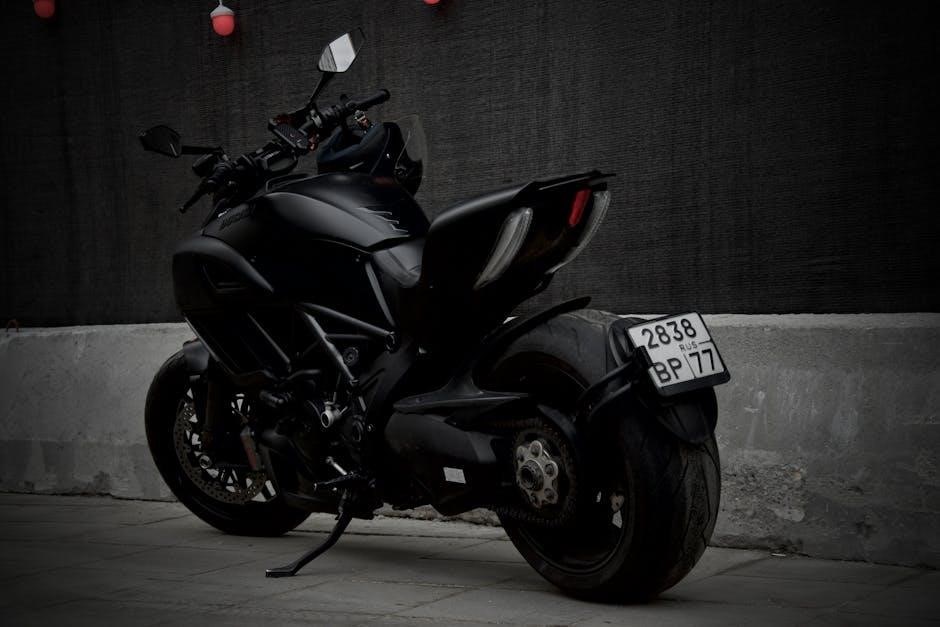
Automatic motorcycle transmissions eliminate the need for manual gear changes, offering simplified operation․ These systems, including traditional automatics and advanced dual-clutch transmissions (DCT), enhance rider convenience and ease․
Types of Automatic Motorcycle Transmissions
While traditionally motorcycles relied heavily on manual transmissions, the landscape is evolving with several automatic options gaining traction․ These aren’t simply “automatic” in the same way as in a car; the implementations differ significantly․
Traditional Automatic Transmissions
These systems utilize a torque converter, similar to those found in many automobiles․ The torque converter uses fluid dynamics to transfer power from the engine to the transmission, automatically adjusting gear ratios based on speed and load․ While offering simplicity, these can sometimes feel less responsive and efficient than other options․ They are commonly found on scooters and some entry-level motorcycles․
Dual-Clutch Transmissions (DCT)
DCT represents a more sophisticated approach․ Employing two separate clutches, one for odd-numbered gears and one for even-numbered gears, DCT allows for incredibly fast and seamless gear changes․ This minimizes power interruption during shifts, providing a sporty and efficient riding experience․ Honda is a prominent manufacturer utilizing DCT technology in several of its motorcycle models, demonstrating its growing popularity and refinement․ DCT offers both fully automatic and manual shifting modes, giving riders flexibility․
Traditional automatic transmissions in motorcycles, mirroring those in automobiles, employ a torque converter as the central component for power transfer․ This hydrodynamic device utilizes fluid to transmit engine power to the transmission, automatically selecting appropriate gear ratios based on vehicle speed and engine load․ This system eliminates the need for the rider to manually operate a clutch or shift gears, offering a simplified riding experience․
However, these systems aren’t without drawbacks․ Compared to manual or DCT transmissions, traditional automatics can exhibit reduced fuel efficiency and a less direct connection to the engine․ The fluid coupling inherent in torque converters introduces some power loss․ They are frequently found on scooters, smaller displacement motorcycles, and models prioritizing ease of use over performance․ While offering convenience, they generally don’t provide the same level of responsiveness or control as other transmission types․
Dual-Clutch Transmissions (DCT) represent a significant advancement in automatic motorcycle technology, offering a blend of convenience and performance․ Unlike traditional automatics, DCTs utilize two separate clutches – one for odd-numbered gears and one for even-numbered gears․ This allows for incredibly fast and seamless gear changes, as the next gear is pre-selected and ready to engage․
The system intelligently anticipates the rider’s needs, shifting gears automatically or allowing manual control via paddle shifters or buttons․ DCTs minimize power interruption during shifts, resulting in a more responsive and engaging riding experience․ They generally offer improved fuel efficiency compared to traditional automatics, approaching that of manual transmissions․ While more complex and often pricier than other options, DCTs are gaining popularity on adventure, touring, and sport motorcycles, providing a compelling alternative for riders seeking automatic convenience without sacrificing performance or control․
How Automatic Transmissions Function
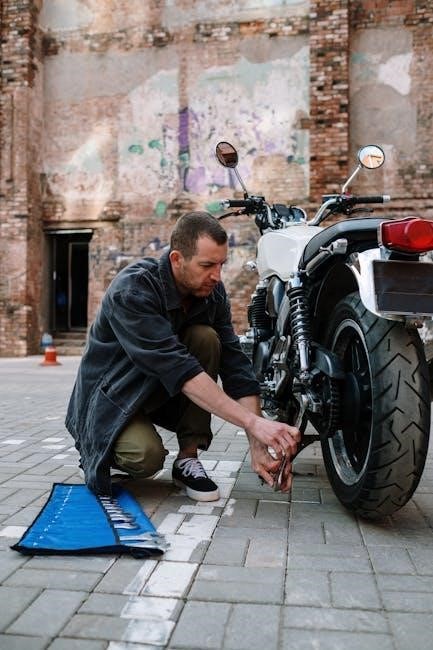
Automatic motorcycle transmissions simplify the riding experience by eliminating the need for manual gear changes․ Traditional automatic systems employ a torque converter, a fluid coupling that transmits engine power to the transmission․ This allows the engine to continue running even when the motorcycle is stopped, and facilitates smooth, albeit sometimes less efficient, power delivery․
The transmission itself utilizes planetary gearsets, controlled by a valve body that responds to vehicle speed and throttle position․ These systems automatically select the appropriate gear ratio, optimizing engine performance and reducing rider fatigue․ However, traditional automatics often result in a slight power loss due to the torque converter’s inherent slip․ Newer technologies, like Dual-Clutch Transmissions (DCT), mitigate this loss by employing a more direct power transfer mechanism, offering quicker shifts and improved efficiency while still maintaining automatic operation․
Advantages of Automatic Motorcycle Transmissions
Automatic motorcycle transmissions offer significant benefits, particularly for new riders or those prioritizing ease of use․ The primary advantage is reduced rider fatigue, as the constant shifting required with manual transmissions is eliminated․ This is especially valuable in stop-and-go traffic or long-distance touring, allowing for a more relaxed and comfortable ride․
Furthermore, automatic systems can enhance accessibility for riders with physical limitations who may struggle with operating a clutch and gear lever․ Modern DCT systems deliver exceptionally fast and smooth gear changes, often quicker than a skilled manual rider can achieve, potentially improving acceleration and performance․ They also contribute to increased fuel efficiency in certain scenarios by consistently selecting optimal gear ratios․ Ultimately, automatic transmissions broaden the appeal of motorcycling, making it more accessible and enjoyable for a wider range of riders․
Disadvantages of Automatic Motorcycle Transmissions
Despite their advantages, automatic motorcycle transmissions also present certain drawbacks․ A key concern is the higher initial cost compared to their manual counterparts; the complex technology adds significantly to the purchase price․ Many enthusiasts also lament the reduced level of rider control and engagement, feeling disconnected from the machine due to the lack of manual gear selection․
Furthermore, automatic systems can sometimes exhibit less predictable behavior in specific riding situations, such as navigating challenging terrain or executing precise maneuvers․ Repair and maintenance can be more complex and expensive, requiring specialized knowledge and tools․ Weight is another factor, as automatic transmissions generally add to the overall weight of the motorcycle, potentially impacting handling․ Finally, the “hunting” for gears in certain conditions can be frustrating, diminishing the overall riding experience for some․
Semi-Automatic Motorcycle Transmissions
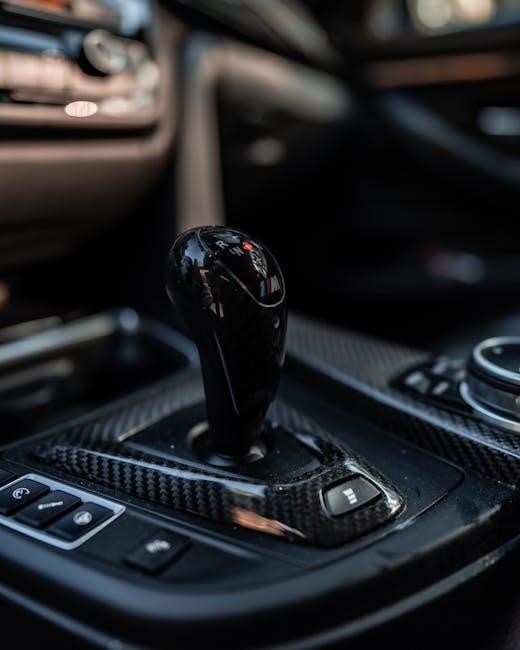
Semi-automatic systems blend manual and automatic features, eliminating the clutch lever for gear changes․ Riders shift using foot controls, simplifying operation while retaining some control․
These transmissions offer ease of use, particularly for beginners, but lack the full engagement of a traditional manual gearbox․
What are Semi-Automatic Transmissions?
Semi-automatic motorcycle transmissions represent a fascinating middle ground between the full control of a manual gearbox and the convenience of a fully automatic system․ Unlike traditional manual transmissions requiring the rider to operate a clutch lever for each gear change, semi-automatic systems automate the clutch operation․

Essentially, these transmissions utilize either an automatic clutch mechanism or an electronically controlled system to disengage and re-engage the clutch during shifts․ This allows the rider to focus solely on selecting the appropriate gear using the standard foot-operated gear shifter․ The rider still actively chooses when to upshift or downshift, maintaining a degree of control over the engine’s power delivery․
Commonly found on smaller displacement motorcycles, scooters, and some beginner-friendly models, semi-automatic transmissions simplify the riding experience, reducing rider fatigue and making learning to ride easier․ They bridge the gap for those not yet comfortable with the coordination required for a full manual clutch and gear change․
However, it’s important to note that while they automate the clutch, they aren’t truly “automatic” in the same way as a DCT or traditional automatic transmission, as the rider still initiates each gear change․
The Role of the Clutch in Semi-Automatic Systems
In semi-automatic motorcycle transmissions, the clutch plays a significantly altered, yet still vital, role compared to a fully manual system․ While the rider no longer directly manipulates a clutch lever, a clutch mechanism is still present and actively engaged during gear changes․ The key difference lies in how it’s operated․
Instead of rider input, semi-automatic systems employ either a centrifugal clutch or an electronically controlled actuator to manage clutch engagement and disengagement․ A centrifugal clutch automatically disengages at low engine speeds and engages as the engine RPMs increase, simplifying starting and low-speed maneuvering․ Electronic systems utilize sensors and actuators for precise clutch control․
This automation removes the need for the rider to coordinate hand and foot movements, reducing complexity․ However, the clutch remains essential for smoothly transferring power from the engine to the transmission, preventing abrupt shifts and ensuring drivetrain longevity․ It’s a hidden component, working behind the scenes to facilitate effortless gear changes․
Essentially, the semi-automatic system replaces the rider’s clutch operation with an automated process, retaining the clutch’s fundamental function․
Other Transmission Considerations
Beyond standard types, reverse gears are rare but emerging, especially on larger touring bikes․ Scooters and miniature motorcycles often utilize continuously variable transmissions (CVTs) for simplicity․
Electric motorcycles present new transmission possibilities, potentially minimizing or eliminating traditional gearsets altogether, impacting future designs․
Reverse Gear in Motorcycles
Traditionally, motorcycles haven’t included reverse gears due to their relatively light weight and the rider’s ability to maneuver them by foot․ However, the increasing size and weight of modern touring and adventure motorcycles have created a demand for this feature․
Maneuvering a heavy motorcycle in tight spaces or on inclines can be challenging, making a reverse gear a valuable asset․ Several manufacturers now offer motorcycles equipped with reverse, though implementations vary․
Some systems utilize a separate, electrically-activated reverse gear, often engaged with a button․ Others integrate reverse functionality into the existing transmission, potentially adding complexity․ Honda’s system, for example, uses the starter motor to provide reverse power․
The inclusion of reverse gear adds weight and cost to the motorcycle, and some riders argue it’s unnecessary․ Nevertheless, for those who frequently ride large, heavy bikes, it significantly enhances usability and safety in certain situations․
As motorcycles continue to evolve, reverse gear is likely to become more common, particularly in the touring and adventure segments․
Scooters, Underbones, and Miniature Motorcycles – Transmission Variations
Scooters and underbones commonly employ Continuously Variable Transmissions (CVTs), a form of automatic transmission․ CVTs utilize belts and pulleys to provide a seamless range of gear ratios, eliminating the need for traditional gear shifting․ This simplicity makes them ideal for urban commuting and ease of use․
Miniature motorcycles, often referred to as “monkey bikes,” frequently feature semi-automatic transmissions․ These systems typically lack a clutch lever, with shifting accomplished through a simple foot pedal․ While technically manual, the absence of a clutch simplifies operation for beginners․
Unlike larger motorcycles that prioritize performance and rider control through manual transmissions, these smaller vehicles emphasize accessibility and convenience․ The automatic nature of CVTs and the simplified semi-automatic systems cater to a broader range of riders․
These variations demonstrate that the “automatic or manual” question isn’t always straightforward․ Different motorcycle types prioritize different characteristics, leading to diverse transmission solutions tailored to specific needs and riding styles․
The trend towards electric miniature motorcycles is also introducing further transmission innovations, often utilizing direct drive systems․
The Future of Motorcycle Transmissions: Electric and Beyond
The rise of electric motorcycles is fundamentally reshaping transmission technology; Electric motors deliver instant torque across a wide RPM range, diminishing the necessity for multi-gear transmissions․ Many electric motorcycles currently utilize single-speed transmissions, effectively operating as automatic systems․
However, some manufacturers are exploring multi-gear transmissions in electric bikes to optimize efficiency at higher speeds and extend range․ These systems often incorporate sophisticated electronic controls for seamless shifting, blurring the lines between traditional manual and automatic operation․
Beyond electric, advancements in traditional internal combustion engine (ICE) transmissions continue; Dual-clutch transmissions (DCTs) are becoming more refined, offering the convenience of automatic shifting with the performance benefits of a manual․
Looking further ahead, predictive transmissions utilizing artificial intelligence could anticipate rider needs and select optimal gears automatically․ Ultimately, the future likely holds a diverse range of transmission options, catering to varying rider preferences and vehicle applications, with a strong leaning towards automation and efficiency․
The evolution will be driven by both ICE and electric powertrain developments․