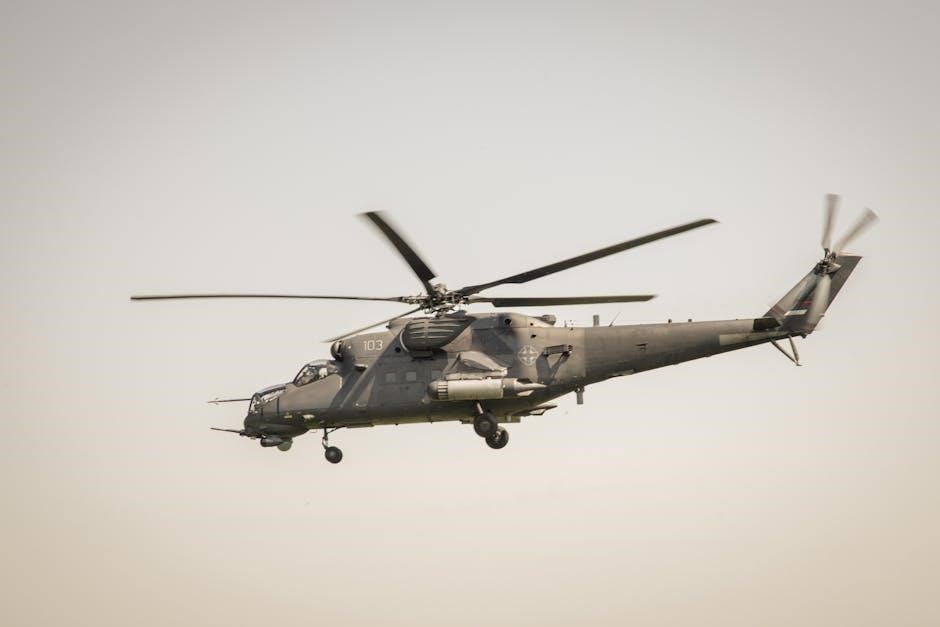
pierce aerial ladder operations manual
Pierce aerial ladder operations demand rigorous training, as detailed in the manual, ensuring firefighter proficiency and safe apparatus utilization.
Founded in 1913, Pierce has a long history of innovation, reflected in the advanced features of their aerial ladder systems.
This manual provides essential guidance for operators, covering procedures, safety, and maintenance of Pierce aerial ladder equipment.
It applies to all personnel involved in operating Pierce rear mount steel aerial ladders with standard controls, 500-750 lb tip loads.
Historical Overview of Pierce Manufacturing
Pierce Manufacturing’s legacy began in 1913 as Auto Body Works in Appleton, Wisconsin, founded by Humphrey and Dudley Pierce. Initially converting an old church into a workshop on Fremont and Jefferson Streets, the company quickly established itself in the vehicle manufacturing industry.
Early innovations focused on durable and reliable fire apparatus, a commitment that continues today. Throughout the 20th century, Pierce evolved, pioneering advancements in fire truck technology, including aerial ladder systems.
The company’s dedication to quality and responsiveness to firefighter needs propelled its growth. Pierce consistently adapted to changing industry demands, incorporating new materials like steel and aluminum into their ladder construction.
By the 21st century, Pierce became a leading North American manufacturer of fire apparatus, renowned for its robust aerial ladders capable of withstanding challenging conditions, such as 50 mph winds and ice build-up.
Purpose of the Operations Manual
This Pierce Aerial Ladder Operations Manual serves as a comprehensive guide for all personnel responsible for the safe and effective operation of Pierce aerial ladder apparatus. Its primary purpose is to standardize procedures, minimize risks, and maximize the lifespan of this critical firefighting equipment.
The manual details proper setup techniques, including site assessment and outrigger stabilization, ensuring a secure operating platform. It outlines correct ladder positioning for optimal reach and provides clear instructions for raising and lowering operations.
Furthermore, it emphasizes adherence to safety protocols, including pre-operational inspections, PPE requirements, and wind speed limitations (up to 50 mph). This document is essential for comprehensive training programs, fostering proficiency among firefighters and equipment operators.
Ultimately, this manual aims to protect lives and property by promoting responsible and knowledgeable aerial ladder operation.
Manual Scope and Applicability
This Pierce Aerial Ladder Operations Manual specifically addresses the operation of Pierce rear mount steel aerial ladders equipped with standard controls. It covers models featuring tip load capacities ranging from 500 to 750 pounds, and ladder lengths of 75, 100, and 105 feet.
The information contained within is applicable to all personnel directly involved in the operation, maintenance, and inspection of these aerial devices, including firefighters, equipment operators, and maintenance technicians.
This manual does not cover specialized aerial platforms or models with advanced control systems. It is crucial to consult supplemental documentation for those apparatus.
Pierce Manufacturing reserves the right to update this manual to reflect changes in technology or safety standards. Always refer to the latest version for accurate guidance.
Safety Precautions & General Guidelines
Prioritize comprehensive operator training, detailed in the manual, alongside strict adherence to all safety protocols during Pierce aerial ladder operations;
Pre-Operational Inspection Checklist
Before each deployment, a thorough pre-operational inspection is critical for ensuring the Pierce aerial ladder functions safely and effectively. This checklist must include a detailed examination of the hydraulic systems, verifying fluid levels and checking for leaks.
Inspect all ladder sections for damage, including dents, bends, or corrosion, paying close attention to the boom and tip sections. Verify the proper operation of outriggers, ensuring they deploy and stabilize correctly on various ground surfaces.

Check all electrical connections and controls, confirming functionality of emergency stop mechanisms and ladder movement controls. Finally, confirm the operation of the turntable and pedestal assembly, ensuring smooth rotation and secure locking mechanisms. Document all findings and address any deficiencies before operation.
Personal Protective Equipment (PPE) Requirements
All personnel operating or working near a Pierce aerial ladder must adhere to strict PPE requirements to mitigate potential hazards. This includes wearing full structural firefighting gear, encompassing a helmet, coat, pants, boots, and gloves, meeting current NFPA standards;
Eye protection, such as safety glasses or goggles, is mandatory to shield against debris during ladder operation and potential waterway usage. A high-visibility vest or jacket is crucial for enhanced visibility, particularly during nighttime or low-light conditions.
Additionally, operators must wear appropriate fall protection when working at heights, including a harness and lanyard secured to a designated anchor point. Proper footwear with slip-resistant soles is essential for maintaining stability on various surfaces.
Establishing a Safe Operating Zone
Prior to any aerial ladder operation, a clearly defined and controlled safe operating zone must be established. This zone encompasses the immediate area around the apparatus and the anticipated swing radius of the ladder, protecting personnel and bystanders.
Utilize high-visibility warning tape, cones, or barricades to physically delineate the zone’s boundaries, ensuring it extends sufficiently to account for potential ladder movement and falling debris. All non-essential personnel must be excluded from this area.
A designated safety officer should be appointed to monitor the zone, enforce access control, and communicate potential hazards. Constant vigilance is crucial, especially considering wind conditions and surrounding obstacles.
Aerial Ladder Components & Systems
Pierce aerial ladders utilize robust steel and aluminum construction, featuring a turntable, pedestal assembly, and sophisticated hydraulic systems for optimal performance.
Ladder Construction Materials (Steel & Aluminum)
Pierce aerial ladders are engineered utilizing both high-strength steel and lightweight aluminum alloys, strategically chosen for specific structural components. Steel sections, particularly in the boom base and critical stress areas, provide exceptional durability and resistance to deformation under heavy loads and extreme conditions.
Aluminum alloys are extensively used in the extending sections of the ladder, reducing overall weight without compromising structural integrity. This balance between materials optimizes maneuverability and reduces stress on the hydraulic and support systems.
Pierce ladders are designed to withstand 50 mph winds and a quarter inch of ice build-up, demonstrating the robust nature of these materials. The sealed base rails further protect internal wiring, enhancing longevity and reliability. Careful material selection ensures a long service life and consistent performance.
Turntable and Pedestal Assembly
Pierce aerial ladder turntable assemblies are robustly constructed to facilitate 360-degree rotation, enabling precise positioning for firefighting and rescue operations. The pedestal serves as the critical interface between the aerial ladder and the chassis, supporting the entire weight and dynamic loads during operation.
Accessibility is a key design feature; all wiring is routed internally within sealed base rails, providing easy access for maintenance and inspection, regardless of ladder position. This design protects vital components from the elements and potential damage.
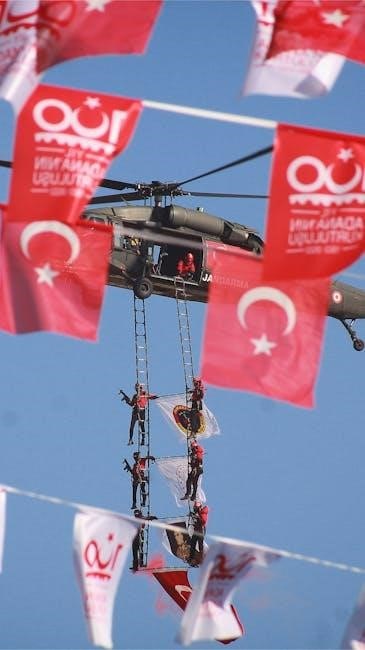
The turntable incorporates precision bearings and a heavy-duty locking mechanism, ensuring smooth, controlled rotation and secure positioning. Regular inspection and lubrication of these components are vital for maintaining optimal performance and operator safety.
Hydraulic Systems Overview
Pierce aerial ladders utilize sophisticated hydraulic systems to power ladder extension, retraction, and stabilization functions. These systems employ high-pressure hydraulic fluid, pumps, control valves, and cylinders to deliver precise and reliable operation.
The hydraulic system is designed for redundancy and safety, incorporating multiple safety valves to prevent over-extension or uncontrolled lowering. Regular monitoring of hydraulic fluid levels and condition is crucial for preventing system failures.
Maintenance procedures, detailed in this manual, emphasize the importance of inspecting hoses, fittings, and cylinders for leaks or damage. Proper filtration and fluid changes are essential for extending the lifespan of the hydraulic components and ensuring optimal performance under demanding conditions.
Operational Procedures ⏤ Setup & Positioning
Proper site assessment and ground stabilization are vital before deploying the aerial ladder, ensuring a secure operating base for all rescue operations.
Outrigger deployment must follow specific guidelines to distribute weight effectively and prevent tipping during elevated operations.
Optimal ladder positioning maximizes reach while maintaining stability, considering wind conditions and potential obstructions.
Site Assessment and Ground Conditions
Before deploying the aerial ladder, a thorough site assessment is paramount. This includes evaluating the ground’s ability to support the combined weight of the apparatus, the ladder, personnel, and any anticipated loads. Operators must identify potential hazards such as underground utilities, soft soil, or uneven terrain that could compromise stability.
Solid, level ground is ideal, but often unattainable. If the surface is unstable, appropriate stabilization measures, like cribbing or large timbers, must be employed under the outriggers to distribute the load. Avoid positioning the ladder near overhead obstructions like power lines.
Consider the slope of the ground; excessive angles can significantly reduce stability. Document any identified concerns and adjust the setup accordingly, prioritizing safety above all else. Always ensure sufficient clearance around the outriggers to allow for full extension and retraction without interference.

Outrigger Deployment and Stabilization
Proper outrigger deployment is critical for aerial ladder stability. Extend the outriggers fully, ensuring each foot makes firm contact with the ground. Verify that all outrigger locks are engaged before applying any load to the ladder. Utilize outrigger pads to distribute the weight over a larger surface area, especially on softer ground conditions.
Monitor the bubble level indicators on the apparatus to confirm a level setup. Adjust outrigger extension as needed to achieve a level position. Never operate the ladder on an unlevel surface without proper stabilization. Inspect the outrigger arms and feet for any signs of damage before and after deployment.
Confirm that the area around the outriggers is clear of personnel and obstructions. Regularly check the stability throughout the operation, especially when extending or rotating the ladder.
Ladder Positioning for Optimal Reach
Strategic ladder positioning maximizes reach and minimizes strain on the apparatus. Consider the target area, obstacles, and wind conditions when determining placement. Position the turntable as close as safely possible to the target, while maintaining a stable base.
Account for the ladder’s reach capabilities, ensuring it can extend beyond the desired point. Avoid positioning the ladder directly into prevailing winds, which can reduce stability. Utilize spotting techniques to verify the ladder’s path is clear of obstructions like power lines and trees.
Remember that optimal reach isn’t always a straight line; angling the ladder can sometimes provide better access. Always prioritize safety and stability over maximizing reach.
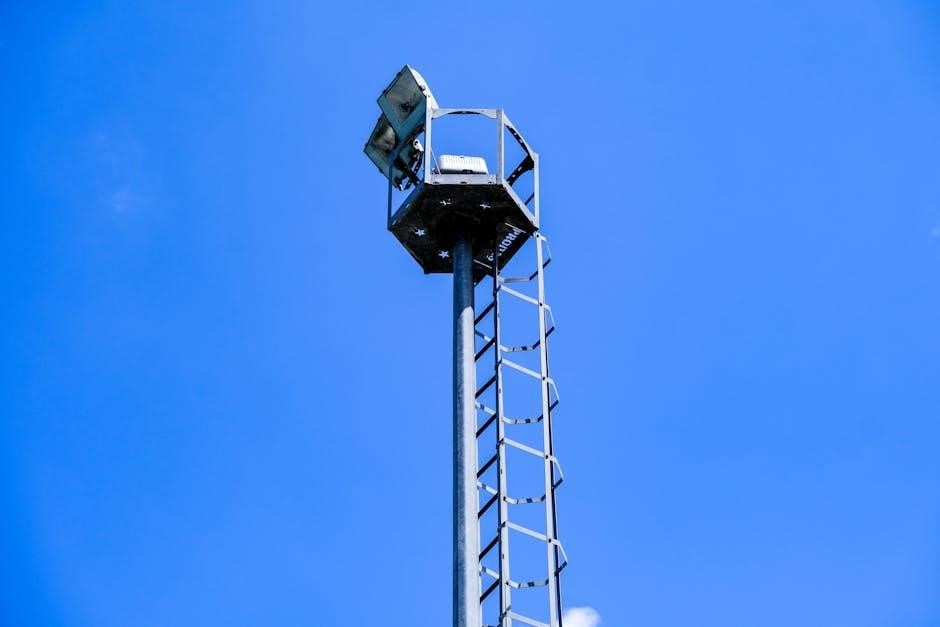
Ladder Operations ౼ Raising & Lowering
Ensure smooth, controlled movements during raising and lowering, adhering to load capacity limits (500-750 lbs). Monitor wind speeds, not exceeding 50 mph for safe operation.
Smooth and Controlled Ladder Movements
Achieving smooth and controlled ladder movements is paramount for operator safety and effective incident resolution. Jerky or abrupt motions can compromise stability and potentially lead to equipment damage or injury. Operators must utilize the control levers with a deliberate and consistent pressure, avoiding sudden bursts of hydraulic power.

Prior to initiating ladder extension or retraction, a thorough assessment of the surrounding environment is crucial. Identify any obstructions, power lines, or personnel within the operational radius. Communicate intentions clearly to all team members. During operation, continuously monitor the ladder’s movement, paying close attention to any unusual sounds or vibrations.
Practice and proficiency are key to mastering smooth ladder control. Regular training exercises will enhance an operator’s ability to anticipate and react to changing conditions, ensuring precise and safe positioning of the aerial device. Remember, controlled movements minimize stress on the hydraulic system and extend the lifespan of the apparatus.
Understanding Load Capacity & Tip Load Limits (500-750 lbs)
Pierce aerial ladders are engineered with specific load capacity limits, typically ranging from 500 to 750 pounds at the tip. Exceeding these limits severely compromises stability and can result in catastrophic failure. Operators must understand and adhere to these restrictions at all times.
Load calculations must account for all personnel, equipment, and water weight positioned on the aerial platform. Regularly inspect the load indicator to verify that the total weight remains within the specified parameters. Remember that water, even in moderate quantities, significantly increases the overall load.
Proper weight distribution is also critical. Avoid concentrating loads near the tip of the ladder, as this exacerbates the risk of instability. Consistent training and adherence to established protocols are essential for ensuring safe and effective aerial operations within the prescribed load limits.
Wind Speed Considerations (Up to 50 mph)
Pierce aerial ladders are designed to operate safely in wind conditions up to 50 mph, however, operators must exercise extreme caution and utilize sound judgment. Wind speed significantly impacts ladder stability and increases the risk of overturning or structural damage.
Regularly monitor wind conditions using an anemometer and consult weather forecasts before and during aerial operations. Reduce ladder extension and minimize platform loads in higher wind speeds. Be aware of gusting winds, which can create unpredictable forces.
Operators should avoid operating the aerial ladder in sustained winds exceeding 30 mph, and cease operations entirely if winds reach 50 mph. Prioritize personnel safety and consider alternative strategies when wind conditions are unfavorable.
Advanced Operational Techniques
Pierce aerial ladders facilitate complex operations like waterway deployment, rescue from heights, and strategic ventilation, demanding skilled operators and precise execution.
Waterway Operations & Flow Rates
Pierce aerial ladders equipped with integrated water systems offer a significant advantage in firefighting operations, enabling elevated stream delivery for enhanced reach and effectiveness. Understanding the ladder’s waterway capabilities, including flow rates and nozzle options, is crucial for optimal performance.
Operators must be thoroughly trained in the proper setup and operation of the waterway system, ensuring a consistent and controlled water supply. Flow rates will vary depending on nozzle selection and water pressure, typically ranging from 500 to 1500 gallons per minute.
Regular inspection and maintenance of the waterway components, including valves, piping, and nozzles, are essential to prevent malfunctions and ensure reliable operation. Proper winterization procedures are also vital to protect the system from freezing damage. Always adhere to departmental standard operating guidelines when utilizing the aerial ladder’s waterway system.
Rescue Operations from Elevated Positions
Pierce aerial ladders are invaluable tools for performing rescues from elevated positions, requiring specialized training and adherence to strict safety protocols. Operators must understand the ladder’s load capacity and stability limitations when conducting rescue operations, prioritizing the safety of both the rescuer and the victim.
Proper use of rescue equipment, such as harnesses, ropes, and descent devices, is paramount; Establishing a secure anchor point and maintaining constant communication with the ground crew are essential elements of a successful rescue.
Careful assessment of the rescue scene, including potential hazards and victim condition, is crucial before initiating any rescue attempt. Operators should practice various rescue scenarios to maintain proficiency and ensure a coordinated response. Always follow departmental guidelines and prioritize victim safety above all else.
Ventilation Operations Utilizing the Aerial Ladder
Pierce aerial ladders significantly enhance ventilation capabilities at fire scenes, allowing firefighters to strategically remove heat and smoke. Utilizing the ladder’s height and reach, operators can effectively position ventilation fans to create positive or negative pressure, improving visibility and reducing fire spread.
Understanding wind direction and building construction is crucial for effective ventilation. Operators must ensure the ladder is securely positioned and stabilized before deploying ventilation equipment. Coordination with the incident commander and other firefighting teams is essential for a safe and efficient operation.
Always prioritize firefighter safety during ventilation operations, monitoring for changing fire conditions and potential hazards. Proper training and adherence to established ventilation protocols are vital for maximizing the effectiveness of this technique.

Maintenance & Inspection Procedures
Regular daily inspections and annual comprehensive checks are vital for Pierce aerial ladder reliability.
Hydraulic system maintenance, lubrication, and component checks ensure optimal performance and longevity of the apparatus.
Daily Inspection and Lubrication
Prior to each operational shift, a thorough daily inspection is paramount for ensuring the Pierce aerial ladder’s safe and reliable function. This inspection should meticulously cover all critical components, including hydraulic lines for leaks, the condition of outriggers, and the smooth operation of the turntable and pedestal assembly.
Lubrication is equally crucial; focus on pivot points, gear teeth, and sliding surfaces as specified in the Pierce maintenance schedule. Proper lubrication minimizes friction, reduces wear and tear, and contributes to the longevity of the equipment. Inspect wiring for damage, ensuring all connections are secure. Document all findings and any corrective actions taken in the apparatus logbook. A diligent daily routine proactively identifies potential issues before they escalate into significant problems, safeguarding both the equipment and personnel.
Annual Comprehensive Inspection
The annual comprehensive inspection of the Pierce aerial ladder is a detailed assessment exceeding daily checks, typically performed by certified technicians. This involves a complete teardown and examination of critical systems, including hydraulic cylinders, boom sections, and all structural components for cracks, corrosion, or deformation.
Non-destructive testing methods, such as ultrasonic or radiographic inspection, may be employed to detect hidden flaws. Hydraulic fluid levels and condition are analyzed, and the entire system is pressure tested. Electrical wiring and controls are scrutinized for proper functionality and safety. Following the inspection, all necessary repairs or replacements are completed, and the ladder is returned to service with a renewed certification. Thorough documentation of this inspection is vital for maintaining compliance and ensuring long-term reliability.
Hydraulic System Maintenance
Maintaining the Pierce aerial ladder’s hydraulic system is crucial for reliable operation; Regular fluid level checks are paramount, ensuring the reservoir is filled with the manufacturer-specified fluid. Inspect hoses and fittings for leaks, cracks, or damage, replacing them immediately if found.
Annual comprehensive inspections include hydraulic fluid analysis to detect contamination or degradation. Filters should be replaced according to the maintenance schedule to prevent component wear. Cylinder rods require cleaning and lubrication to maintain smooth operation and prevent corrosion. Bleeding the system to remove air is essential after any repairs or fluid changes. Proper hydraulic maintenance extends the lifespan of the aerial ladder and ensures safe, consistent performance.
Troubleshooting Common Issues
Common problems include hydraulic malfunctions, electrical system failures, and ladder deployment issues; consult the manual for diagnostic steps and solutions.
Hydraulic System Malfunctions
Hydraulic system issues can significantly impair aerial ladder functionality, demanding immediate attention and careful troubleshooting. Common malfunctions include slow or erratic ladder movements, inability to reach full extension, or complete system failure. Always refer to the Pierce Aerial Ladder Operations Manual for specific diagnostic procedures.
Initial checks should focus on fluid levels within the reservoir, inspecting for leaks around hoses, cylinders, and the pump. Air within the hydraulic lines is a frequent culprit, requiring bleeding of the system according to the manual’s instructions. A malfunctioning hydraulic pump, or faulty control valves can also cause operational problems.
Prior to any repair attempt, ensure the ladder is fully retracted and mechanically secured. Never attempt to repair a hydraulic system while the ladder is elevated or unsupported. Consult qualified technicians for complex repairs and always adhere to the safety guidelines outlined in the operations manual.
Electrical System Problems
Electrical malfunctions within the Pierce aerial ladder system can disrupt critical functions, impacting safety and operational capability. Common issues include blown fuses, tripped circuit breakers, and failures in the control panel or wiring harnesses. The Pierce Aerial Ladder Operations Manual provides detailed electrical schematics and troubleshooting guides.
Initial inspection should verify battery voltage and check for loose connections or corroded terminals. Faulty sensors, particularly those related to boom angle or load monitoring, can generate false readings or prevent operation. Control switches and indicator lights should be tested for proper functionality.
Always disconnect the main power supply before attempting any electrical repairs. Utilize appropriate testing equipment, such as multimeters, to diagnose component failures. If complex electrical issues arise, consult a qualified electrician experienced with Pierce apparatus.
Ladder Deployment Issues
Ladder deployment problems on a Pierce aerial apparatus can range from minor obstructions to significant mechanical failures. The Pierce Aerial Ladder Operations Manual emphasizes pre-operational checks to mitigate these risks. Common issues include hydraulic pressure loss, binding within the boom sections, or interference with outrigger placement.
Inspect all boom sections for damage or debris before deployment. Verify proper outrigger stabilization, as uneven ground can hinder smooth ladder extension. If the ladder fails to extend fully or exhibits jerky movements, immediately cease operation and investigate the cause.
Refer to the manual’s troubleshooting section for specific guidance on resolving deployment issues. Never attempt to force the ladder; this could cause further damage. Ensure all safety interlocks are functioning correctly before resuming operation.