nursing documentation pdf
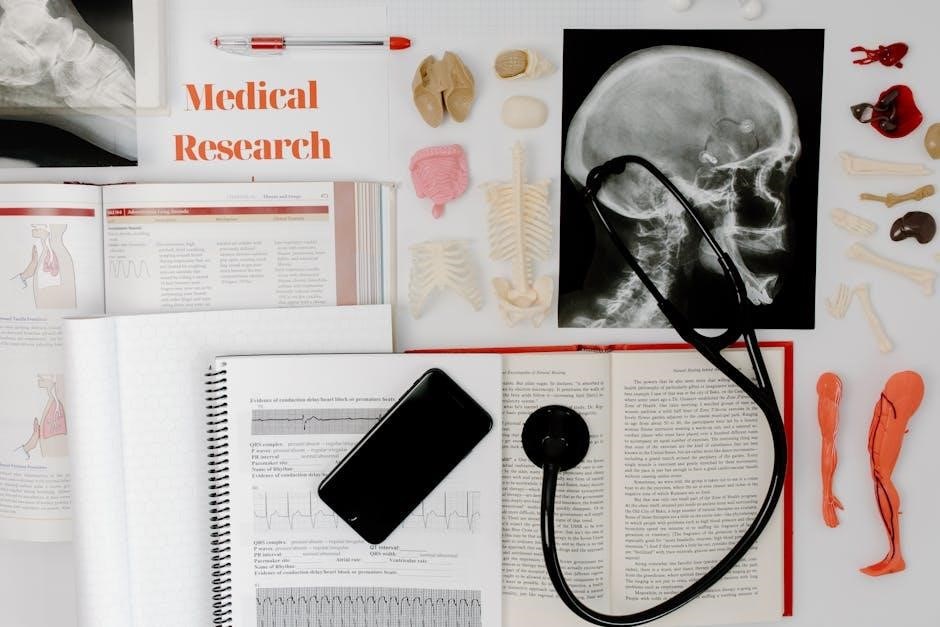
Nursing documentation PDFs are crucial for maintaining comprehensive patient records, offering a standardized and secure method for charting vital health information.
These digital formats streamline access, enhance data integrity, and support collaborative care, aligning with modern healthcare practices and regulatory requirements.
The increasing reliance on PDFs reflects a commitment to efficient, accurate, and legally sound patient care documentation within the nursing profession.
What is Nursing Documentation?
Nursing documentation encompasses the comprehensive record of a patient’s health status, the care delivered, and the patient’s response to that care. It’s a vital component of the nursing process, extending beyond simple record-keeping to become a legal document, a communication tool, and a cornerstone of quality patient care.
Specifically, nursing documentation PDFs represent a digital evolution of this process, utilizing the Portable Document Format to create standardized, secure, and easily shareable records. These PDFs contain detailed notes on observations, interventions, medications administered, vital signs, assessments, and patient education.
Charting, as a nursing process, adheres to legal, professional, and institutional guidelines. Effective nursing documentation tells the patient’s story, providing a clear narrative of their condition and the care they receive, ensuring continuity and collaboration among healthcare professionals. Accurate and timely documentation is paramount.
Why are Nursing Documentation PDFs Important?
Nursing Documentation PDFs are critically important due to their ability to enhance patient safety, improve communication, and ensure legal accountability. The PDF format provides a standardized, readily accessible record of patient care, facilitating seamless information sharing between healthcare providers.
Utilizing PDFs streamlines workflows, reduces errors associated with handwritten notes, and supports efficient auditing and quality improvement initiatives. They offer a secure method for storing sensitive patient data, aiding in HIPAA compliance and protecting patient privacy.
Furthermore, the PDF format’s portability allows for easy access to patient records from various locations, supporting telehealth and remote care delivery. The 2025 State of the World’s Nursing report emphasizes the need for robust data collection, which PDFs effectively support.

Legal and Ethical Considerations
Nursing documentation PDFs demand strict adherence to legal standards and ethical guidelines, safeguarding patient rights and ensuring responsible data handling practices.
Accuracy, confidentiality, and compliance with regulations like HIPAA are paramount when creating and managing these crucial patient records.
Legal Implications of Accurate Documentation
Nursing documentation PDFs serve as critical legal documents, directly impacting patient safety and potential liability for healthcare professionals. Precise and thorough records demonstrate the standard of care provided, protecting nurses and institutions from legal challenges.
Inaccurate, incomplete, or altered documentation can lead to serious consequences, including malpractice lawsuits, disciplinary actions by licensing boards, and even criminal charges. A clear, factual account of patient assessments, interventions, and outcomes is essential for defending against claims of negligence.
PDFs offer a tamper-evident format, enhancing the legal defensibility of records. Maintaining a comprehensive audit trail of changes and access further strengthens the integrity of the documentation. Proper documentation also supports accurate billing and reimbursement claims, avoiding potential legal issues related to fraud.
Maintaining Patient Privacy and HIPAA Compliance
Nursing documentation PDFs must adhere strictly to the Health Insurance Portability and Accountability Act (HIPAA) regulations to safeguard Protected Health Information (PHI). Secure PDF creation and storage are paramount, employing features like password protection and encryption to prevent unauthorized access.
Access controls within PDF software limit viewing and editing permissions, ensuring only authorized personnel can modify patient records. Audit trails track all user activity, providing a record of who accessed, viewed, or altered the documentation.
Proper disposal of outdated PDFs is also crucial, utilizing secure deletion methods to prevent data breaches. Healthcare facilities must implement policies and training programs to educate nurses on HIPAA compliance and the responsible handling of electronic patient information within PDF formats.

Types of Nursing Documentation
Nursing documentation PDFs encompass various methods, including narrative charting, POMR, SOAPIE notes, and charting by exception, all adaptable for digital record-keeping.
Each approach offers unique benefits for comprehensive and organized patient information within secure PDF files.
Narrative Documentation
Narrative documentation, traditionally a cornerstone of nursing, involves a detailed, chronological account of a patient’s condition, care provided, and responses to interventions – often captured within a nursing documentation PDF.
This method allows nurses to comprehensively “tell the patient’s story,” offering a holistic view beyond isolated data points. However, it can be time-consuming and potentially lack the focused structure required for quick information retrieval.

When utilizing PDFs for narrative charting, clear organization is paramount. Utilizing headings, subheadings, and consistent formatting enhances readability and facilitates efficient review by other healthcare professionals. While offering flexibility, narrative notes within PDFs must remain factual, objective, and concise to maintain legal and professional integrity.
Modern PDF software can aid in structuring narrative documentation, ensuring completeness and minimizing ambiguity.
Problem-Oriented Medical Records (POMR)
Problem-Oriented Medical Records (POMR) represent a structured approach to nursing documentation, often implemented using PDF formats for organization and accessibility. This method centers around identifying and addressing a patient’s specific problems, rather than solely focusing on diagnoses.
A POMR typically includes a database (objective findings), a problem list, a plan for addressing each problem, and progress notes documenting interventions and outcomes – all easily managed within a PDF.
Utilizing PDFs allows for easy updating and sharing of the POMR across the care team. The structured format promotes comprehensive care and facilitates clear communication. When creating POMR PDFs, consistent formatting and clear problem definitions are crucial. This method enhances accountability and ensures a patient-centered approach to documentation.
Effective POMR PDFs streamline the charting process.
SOAPIE Documentation Method
The SOAPIE method is a widely used framework for nursing documentation, and its implementation is greatly enhanced through the use of PDF documents. SOAPIE stands for Subjective, Objective, Assessment, Plan, Intervention, and Evaluation – providing a comprehensive record of patient care.
Creating SOAPIE notes as PDFs ensures a standardized format, improving readability and facilitating efficient information retrieval. Each section is clearly delineated within the PDF, allowing healthcare professionals to quickly grasp the patient’s status and care plan;
PDF format supports easy sharing and archiving of these notes. Accurate and detailed entries within each SOAPIE component are vital for legal and clinical purposes. Utilizing digital SOAPIE PDFs promotes continuity of care and supports effective communication among the interdisciplinary team, ultimately improving patient outcomes.
Charting by Exception (CBE)
Charting by Exception (CBE) is a time-saving nursing documentation method focusing on recording only deviations from the expected or normal patient condition. Utilizing PDF documents streamlines this process, offering a structured way to highlight significant findings.
With CBE and PDFs, nurses document only what is abnormal or requires intervention, reducing redundant charting. Pre-printed or digitally formatted PDF templates can include standard assessments, with nurses only adding notes where exceptions occur. This approach enhances efficiency without compromising thoroughness.
PDF format ensures the integrity of these exception-based records, facilitating easy auditing and legal defensibility. Clear documentation of these exceptions within the PDF is crucial for demonstrating appropriate care and supporting clinical decision-making, ultimately improving patient safety and care quality.
Key Elements of Effective Nursing Documentation
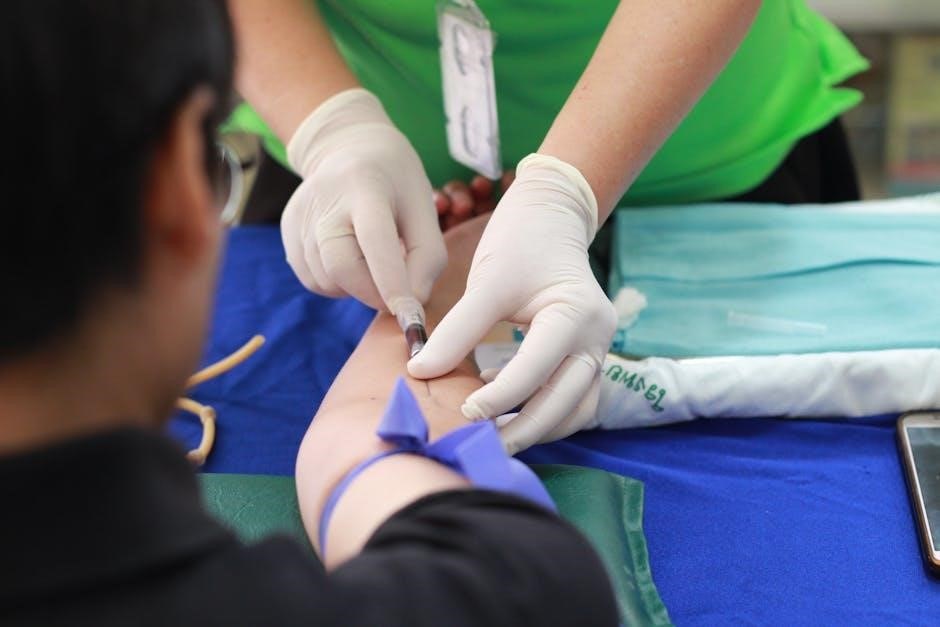
Effective nursing documentation, especially in PDF format, demands accuracy, timeliness, and completeness to ensure patient safety and legal compliance.
Concise and factual reporting within PDFs is paramount for clear communication and continuity of care.
Accurate and Factual Reporting
Accurate and factual reporting within nursing documentation PDFs is the cornerstone of quality patient care and legal defensibility. Nurses must meticulously record objective data – vital signs, medications administered, assessments, and interventions – avoiding subjective interpretations or assumptions.
Utilizing standardized terminology and avoiding ambiguous language ensures clarity and minimizes the risk of misinterpretation. PDF format allows for secure storage and prevents unauthorized alterations, preserving the integrity of the documented information. Every entry should be dated, timed, and signed, clearly identifying the responsible nurse.
Detailed descriptions of patient responses to interventions are crucial, providing a comprehensive picture of their condition. Avoid using vague terms like “good” or “bad”; instead, specify observations. The goal is to tell the patient’s story accurately and completely within the PDF record, supporting informed decision-making and continuity of care.
Timeliness of Documentation
Timeliness of documentation within nursing documentation PDFs is paramount for effective patient care and accurate record-keeping. Entries should be made as close as possible to the time of observation or intervention, ensuring a contemporaneous record of events.
Delayed documentation can lead to inaccuracies, omissions, and difficulties in recalling crucial details. Utilizing PDF creation tools that facilitate quick and efficient charting is essential. Real-time or near real-time documentation supports seamless communication among healthcare team members, enabling prompt and appropriate responses to changing patient conditions.
Establishing a routine for regular documentation, such as charting after each patient interaction, helps maintain up-to-date records. Prompt completion of PDF forms minimizes the risk of errors and ensures a clear, reliable account of the patient’s journey.
Completeness and Conciseness
Completeness and conciseness are vital when crafting nursing documentation PDFs. Records must contain all relevant information – objective data, subjective reports, interventions, and patient responses – to paint a comprehensive picture of the patient’s condition.
However, documentation should avoid unnecessary detail or jargon. Concise language ensures clarity and facilitates efficient review by other healthcare professionals. Utilizing standardized terminology and structured PDF templates can promote both completeness and brevity.
A well-documented PDF tells the “patient’s story” accurately and efficiently. Focus on factual reporting, avoiding vague or subjective statements. Thorough, yet succinct, documentation supports quality patient care, legal defensibility, and effective communication within the healthcare team.

Utilizing Nursing Documentation PDFs
Nursing documentation PDFs offer secure, accessible, and standardized record-keeping, improving workflow and collaboration within healthcare teams, while ensuring data integrity.
Software tools facilitate easy PDF creation and management, enhancing efficiency in patient care documentation.
Benefits of PDF Format for Documentation
PDFs provide a universally accessible and reliable format for nursing documentation, ensuring consistent viewing across different devices and operating systems. This eliminates formatting issues often encountered with other file types, preserving the integrity of crucial patient information.
Furthermore, PDFs enhance security through password protection and encryption capabilities, safeguarding sensitive patient data and maintaining HIPAA compliance. Their compact file size facilitates efficient storage and transmission, reducing storage costs and improving accessibility for authorized personnel.
The format’s ability to embed fonts and images guarantees accurate representation of documented details, vital for legal defensibility and clear communication among healthcare providers. PDFs also support digital signatures, streamlining approval processes and enhancing accountability within the nursing workflow. Ultimately, utilizing PDFs contributes to a more organized, secure, and efficient documentation system.
Software and Tools for Creating Nursing Documentation PDFs
Numerous software solutions cater to creating nursing documentation PDFs, ranging from dedicated Electronic Health Record (EHR) systems to versatile document creation tools. Popular EHR platforms like Epic and Cerner often feature integrated PDF generation capabilities, streamlining the documentation process directly within the patient record.
Alternatively, standalone applications such as Adobe Acrobat Pro provide robust PDF creation and editing features, allowing nurses to convert various file formats into secure, standardized PDF documents. Microsoft Word, coupled with a PDF printer driver, also offers a convenient method for generating PDFs from formatted reports.
Specialized nursing documentation software, designed with clinical workflows in mind, further simplifies PDF creation, often incorporating pre-built templates and customizable forms. Selecting the appropriate tool depends on the specific needs and infrastructure of the healthcare facility.

Global Nursing Workforce Data & Reports
Reports from 2020 and 2025 reveal a global nursing workforce of 27.9 million (2018) to 29.8 million (2023), impacting documentation needs.
Data highlights disparities and the crucial role of standardized PDF charting for effective patient care worldwide.
State of the World’s Nursing 2020 Report Overview
The State of the World’s Nursing 2020 report, a landmark analysis, underscored the critical need for robust nursing workforces globally, implicitly highlighting the importance of efficient and standardized nursing documentation practices.
While not directly focused on PDF formats, the report’s emphasis on data collection and analysis for informed policy decisions indirectly supports the adoption of digital documentation systems like PDFs.
Accurate and accessible patient records, facilitated by PDF technology, are essential for tracking key nursing indicators and evaluating the impact of nursing interventions, as advocated by the report.
The report’s findings regarding the distribution and capacity of nurses worldwide emphasize the need for streamlined communication and information sharing, which PDFs effectively enable.
Ultimately, the 2020 report laid the groundwork for recognizing the vital role of comprehensive nursing documentation – and the potential of PDFs – in strengthening healthcare systems globally.
State of the World’s Nursing 2025 Report Findings
The State of the World’s Nursing 2025 report reveals a 33% increase in countries reporting core nursing workforce data, demanding more sophisticated systems for managing and analyzing patient information – a need nursing documentation PDFs can address.
The report’s updated data emphasizes ongoing global disparities in nurse availability, reinforcing the importance of standardized documentation practices, easily shared via PDF, to ensure continuity of care across regions.
Findings highlight the significant female representation within the nursing workforce, suggesting a need for accessible and user-friendly documentation tools, like PDF-based systems, to support diverse user needs.
The report’s focus on data-driven insights underscores the value of searchable and readily analyzable PDF records for tracking trends and improving patient outcomes.
Ultimately, the 2025 report strengthens the case for leveraging nursing documentation PDFs to enhance data quality and inform global healthcare strategies.
Global Nursing Workforce Statistics (2018-2023)
Global nursing workforce statistics demonstrate growth from 27.9 million in 2018 to 29.8 million in 2023, necessitating efficient documentation systems – where nursing documentation PDFs play a vital role.
This expansion requires standardized, easily shareable patient records, and PDFs offer a secure and universally accessible format for managing increased documentation volume.
The data reveals regional disparities in nurse availability, emphasizing the need for clear, concise, and standardized documentation, facilitated by PDF templates, to ensure consistent care quality.

With over 80% of the world’s nurses working in countries representing half the global population, streamlined PDF-based documentation can improve collaboration and knowledge sharing.
These statistics underscore the importance of robust nursing documentation PDFs to support a growing and geographically diverse nursing workforce, ultimately enhancing patient safety and care.
Best Practices for Nursing Documentation
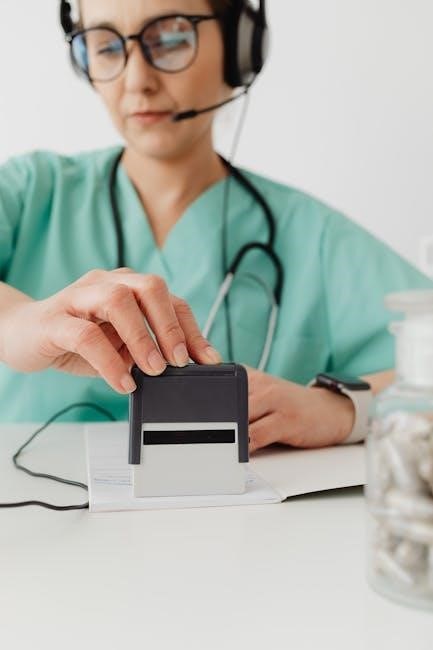
Employing standardized nursing documentation PDFs minimizes errors, ensures completeness, and promotes clarity, ultimately safeguarding patient well-being and legal compliance.
Consistent PDF usage fosters continuous improvement in documentation practices, enhancing overall care quality and accountability.
Avoiding Common Documentation Errors
Utilizing nursing documentation PDFs effectively requires vigilance against frequent errors. Incomplete charting, failing to document all relevant patient information, is a primary concern; PDF templates can help standardize fields.
Ambiguous or subjective language should be avoided; focus on factual, objective observations. PDF systems allowing for structured data entry minimize interpretation issues. Delayed documentation compromises accuracy – timely entry within a PDF is vital.
Incorrect medication or dosage documentation within the PDF poses significant risks; double-checking is essential. Failure to document patient education or informed consent is another common oversight. Ensure all interactions are clearly recorded in the PDF. Finally, avoid alterations without proper auditing within the PDF system, maintaining a clear audit trail for accountability.
Continuous Improvement in Documentation Practices
Enhancing nursing documentation PDFs is an ongoing process. Regular audits of PDF-based records can identify trends in errors or omissions, informing targeted training. Feedback from nurses utilizing the PDF system is invaluable for streamlining workflows and improving usability.
Implementing standardized PDF templates, incorporating best practice guidelines, promotes consistency and completeness. Utilizing data analytics from PDF systems can reveal areas for process improvement, such as frequently missed documentation elements.
Staying current with evolving legal and regulatory requirements impacting PDF documentation is crucial. Participating in continuing education focused on documentation best practices, and regularly updating PDF templates, ensures compliance and optimal patient care. Embrace technology to refine PDF workflows.