
dental front desk training manual pdf
Dental Front Desk Training Manual: A Comprehensive Guide
This manual empowers dental reception teams with knowledge and skills for professional, empathetic, and efficient patient interactions, setting a welcoming tone for the practice.
It details insights and practical advice to enhance communication and service, covering greetings, scheduling, handling concerns, and follow-up procedures.
Accurate documentation and understanding patient needs are key, ensuring continuity of care and building trust within the dental practice environment.
The dental front desk is the pivotal first impression point for patients, demanding a unique blend of skills. This role extends far beyond simple appointment scheduling; it’s about cultivating a welcoming atmosphere that reflects the practice’s values and commitment to patient care.

Receptionists are brand ambassadors, responsible for creating positive experiences from initial contact. Effective communication, empathy, and professionalism are paramount. This guide will equip you to confidently handle diverse patient interactions, address concerns, and provide essential information.
Mastering these skills optimizes practice schedules, ensures smooth operations, and fosters patient trust. Your role directly impacts patient satisfaction and the overall success of the dental practice.
II. Creating a Positive Patient Experience
A positive patient experience begins with a warm and professional greeting, setting a welcoming tone. Active listening is crucial – truly understanding patient needs and concerns builds rapport and trust. Empathy demonstrates genuine care, alleviating anxieties and fostering a comfortable environment.
Proactive communication is key; clearly explain procedures, answer questions thoroughly, and provide helpful information. A streamlined check-in process minimizes wait times and reduces stress.
Remember, every interaction is an opportunity to exceed expectations, leaving patients feeling valued and respected. This dedication to patient-centered care builds loyalty and positive word-of-mouth referrals;
III. Professional Communication Skills
Effective communication is the cornerstone of a successful dental practice. Mastering both verbal and non-verbal cues ensures clarity and builds patient confidence. Professionalism in tone and language is paramount, conveying respect and competence.
Active listening demonstrates genuine interest, allowing you to accurately assess patient needs and respond appropriately. Providing clear, concise information, avoiding jargon, ensures understanding.
Compassionate responses alleviate anxieties and build trust. Remember, you are the voice of the practice, representing its values and commitment to patient care.
A. Greeting Patients & Phone Etiquette
A warm, professional greeting creates a positive first impression. Make eye contact, offer a genuine smile, and use a welcoming tone. Address patients by name whenever possible, demonstrating personalized attention.
Phone etiquette is equally crucial. Answer promptly, identify the practice, and speak clearly and concisely. Be attentive to the caller’s needs, actively listening and offering helpful assistance.
Maintain a polite and respectful demeanor, even when dealing with challenging situations. Closing the call with a positive note reinforces patient trust and leaves a lasting impression.
B. Active Listening and Empathy
Mastering active listening is paramount. Focus intently on the patient, both verbally and nonverbally, to accurately assess their needs and concerns. Avoid interrupting and demonstrate genuine interest through attentive body language.
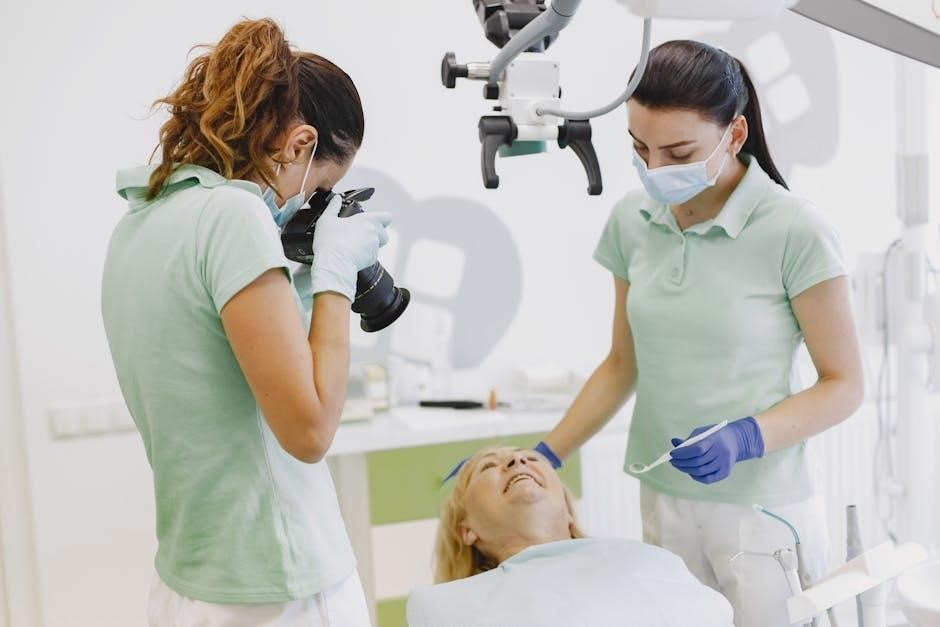
Empathy builds rapport and trust. Acknowledge and validate patient feelings, showing understanding and compassion. Put yourself in their shoes to better respond to their anxieties and provide reassurance.
Responding with informed, compassionate answers alleviates concerns and fosters a positive patient experience. This skill is vital for handling questions and building strong patient relationships.
IV. Appointment Scheduling & Management
Efficient appointment scheduling is crucial for optimizing practice flow and accommodating patient needs. Streamline the process by utilizing dental practice management software effectively, ensuring accurate data entry and minimizing errors.
Handling appointment requests and cancellations requires professionalism. Offer flexible options while adhering to practice policies. Proactively manage the schedule to fill open slots and minimize downtime.
Clear communication is key. Confirm appointments, provide pre-appointment instructions, and manage reminders to reduce no-shows. Prioritize patient convenience and a smooth scheduling experience.
A. Utilizing Dental Practice Management Software
Mastering your dental practice management software is paramount for efficient scheduling, record-keeping, and billing. Become proficient in navigating the system, understanding its features, and utilizing shortcuts to expedite tasks.
Accurate data entry is essential. Ensure patient demographics, insurance information, and appointment details are entered correctly to avoid errors and claim denials. Regularly verify data for accuracy.
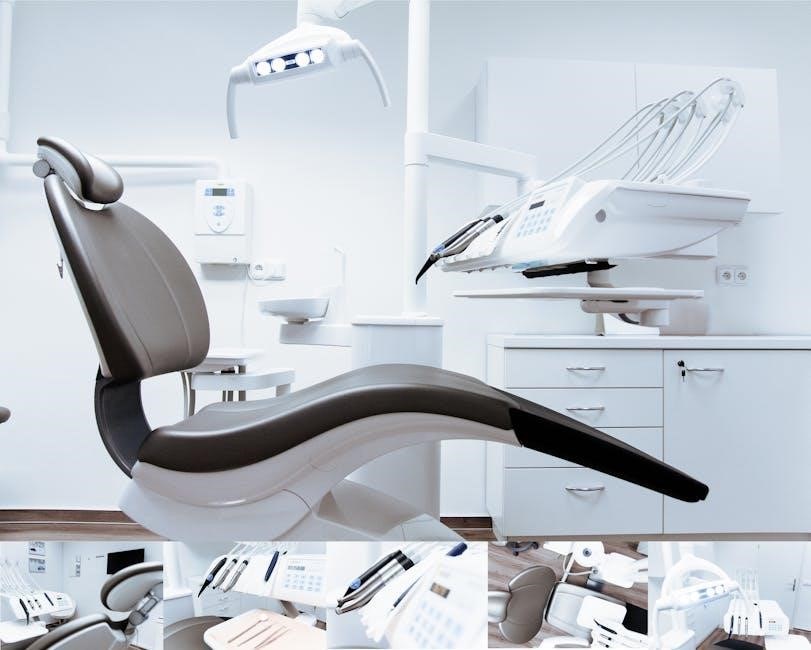
Learn to generate reports to track appointment trends, identify scheduling bottlenecks, and optimize practice performance. Utilize the software’s capabilities to enhance overall office efficiency.
B. Handling Appointment Requests & Cancellations
Effectively managing appointment requests and cancellations is crucial for maintaining a full schedule and minimizing downtime. Politely inquire about the reason for cancellations to understand patient needs and potentially reschedule.
Offer alternative appointment times to accommodate patient preferences and maximize scheduling opportunities. Maintain a waitlist of patients willing to fill cancelled slots promptly.
Clearly communicate cancellation policies to patients during scheduling, ensuring they understand any associated fees or requirements. Document all requests and changes accurately within the practice management software.
V. Patient Information & Records Management
Maintaining accurate and organized patient information is paramount for delivering quality care and ensuring legal compliance. This includes comprehensive data entry, verification of details, and adherence to strict privacy protocols.
Understanding and implementing HIPAA regulations is non-negotiable, safeguarding patient confidentiality at all times. Regularly review and update records to reflect current information, including insurance details and medical history.
Implement robust data security measures to protect against unauthorized access or breaches. Proper documentation supports continuity of care and facilitates efficient practice operations.
A. HIPAA Compliance & Patient Privacy
Strict adherence to the Health Insurance Portability and Accountability Act (HIPAA) is legally mandated and ethically essential. This involves protecting Protected Health Information (PHI) from unauthorized disclosure, ensuring patient confidentiality in all interactions.
Training must cover permissible uses and disclosures of PHI, proper handling of patient records, and secure communication protocols. Implement policies regarding access to patient information, including verification procedures.
Regularly review and update HIPAA policies to reflect current regulations and best practices. Foster a culture of privacy awareness among all staff members, emphasizing the importance of patient trust.
B. Accurate Data Entry & Verification
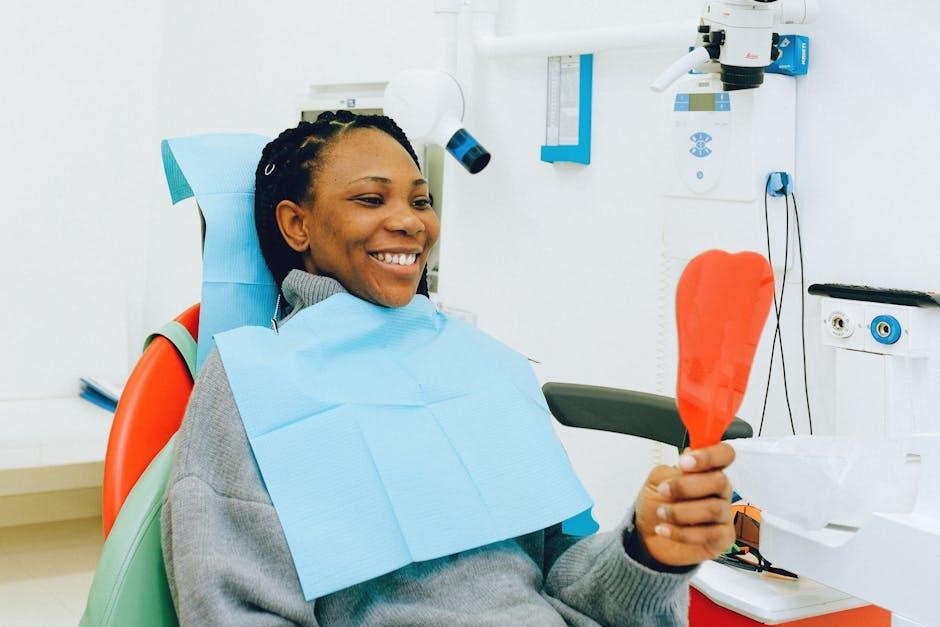
Meticulous data entry is crucial for maintaining accurate patient records, supporting efficient billing, and ensuring appropriate treatment. Verify all information provided by patients – demographics, insurance details, medical history – with careful attention to detail.
Utilize standardized data entry procedures and practice management software features to minimize errors. Implement a double-check system for critical information, such as insurance policy numbers and dates of birth.
Regularly audit patient records to identify and correct inaccuracies. Proper data management contributes to seamless operations and a positive patient experience.
VI. Insurance Verification & Billing Procedures
Understanding dental insurance plans is fundamental for accurate billing and maximizing patient benefits. Verify coverage eligibility and specific plan details before treatment, confirming co-pays, deductibles, and covered services.
Master the process of submitting claims, utilizing appropriate coding and documentation. Familiarize yourself with common insurance terminology and denial reasons. Efficiently process patient payments, adhering to practice policies and financial regulations.
Maintain clear communication with insurance providers to resolve claim issues promptly. Accurate billing procedures ensure financial stability and patient satisfaction.
A. Understanding Dental Insurance Plans
Dental insurance varies significantly; mastering plan types – HMO, PPO, Indemnity – is crucial. Know the difference between in-network and out-of-network benefits, explaining these distinctions clearly to patients.
Familiarize yourself with common terminology: deductibles, co-insurance, annual maximums, and covered service limitations. Understand pre-authorization requirements for specific procedures.
Accurately interpret Explanation of Benefits (EOB) statements to address patient inquiries effectively. Proficiency in insurance plan details minimizes billing errors and maximizes patient understanding of their financial responsibility.
B. Processing Claims & Payments
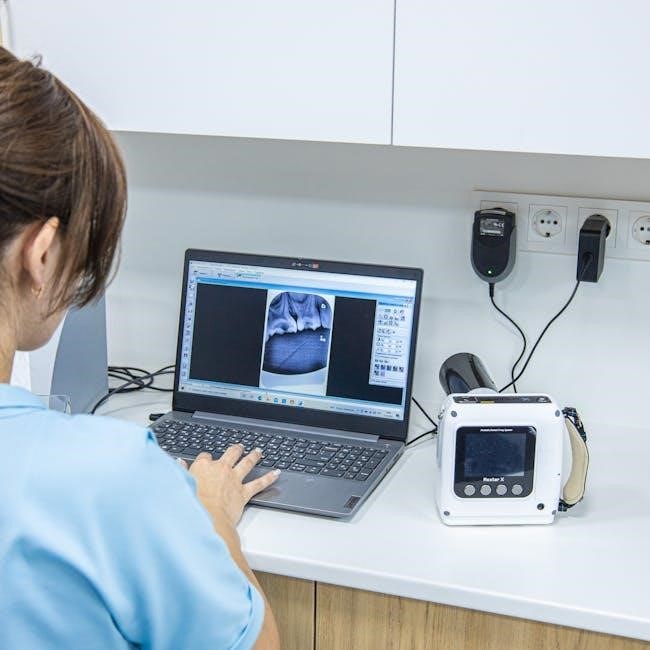
Accurate claim submission is paramount; utilize correct coding (ADA codes) and ensure all required documentation accompanies each claim. Understand electronic claim submission processes and troubleshoot common errors.
Verify patient insurance eligibility before each appointment to avoid claim denials. Manage claim tracking, following up on outstanding claims promptly.
Process patient payments efficiently, accepting various payment methods (cash, check, credit/debit cards). Maintain meticulous records of all transactions and reconcile daily deposits. Address patient billing inquiries with courtesy and clarity.
VII. Handling Patient Concerns & Complaints
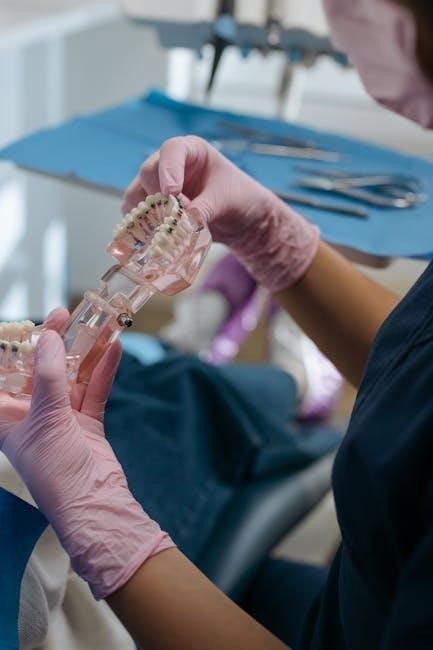
Patient satisfaction is crucial; proactively address concerns with empathy and professionalism. Active listening is key – allow patients to fully express their issues without interruption. De-escalate tense situations by remaining calm and using a soothing tone.
Document all complaints thoroughly, including date, time, details, and resolution. Collaborate with the dental team to find effective solutions. Offer sincere apologies when appropriate, even if the issue isn’t directly your fault.
Follow up with patients to ensure their concerns have been adequately addressed, reinforcing trust and demonstrating commitment to their care.
A. De-escalation Techniques
Remaining calm is paramount when facing an upset patient; your composure can significantly influence the situation; Active listening demonstrates respect, allowing the patient to feel heard and validated. Empathize with their frustration, acknowledging their feelings without necessarily agreeing with their perspective.
Use a soft, reassuring tone and avoid defensive language. Maintain a non-threatening posture – avoid crossing your arms or standing too close. Offer a sincere apology for the inconvenience, even if you weren’t personally responsible.
Focus on finding a solution and avoid escalating the conflict.
B. Effective Problem Solving
Clearly define the patient’s issue, asking clarifying questions to ensure complete understanding. Explore potential solutions, considering the practice’s policies and the patient’s needs. Present options, explaining the pros and cons of each, empowering the patient to participate in the resolution.
Document all steps taken to address the concern, including the final outcome. Follow up with the patient to confirm their satisfaction and prevent recurrence. If unable to resolve independently, escalate the issue to a supervisor or practice manager promptly.
Proactive problem-solving builds trust and enhances patient loyalty.
VIII. Emergency Protocols & Procedures
Familiarize yourself with the office’s emergency action plan, including evacuation routes and designated meeting points. Know the location of the emergency kit, containing essential supplies like oxygen, epinephrine, and first-aid materials. Understand basic life support (BLS) principles, including CPR and the Heimlich maneuver.
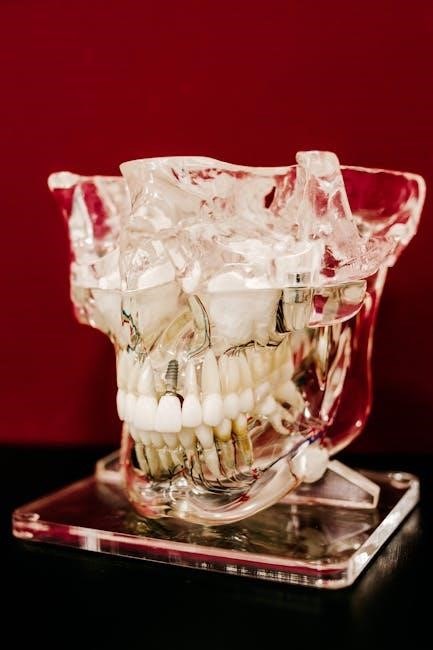
In an emergency, remain calm and assess the situation. Activate the emergency response system, notifying the dentist and relevant personnel. Provide clear and concise information to emergency services, if needed. Document the incident thoroughly, including actions taken and patient response.
IX. Lead Management & New Patient Acquisition
Identify potential leads through various sources, including website inquiries, referrals, and community events. Promptly follow up with prospective patients, expressing genuine interest and answering their questions. Maintain a database of leads, tracking their progress and communication history. Effectively communicate the practice’s value proposition, highlighting its unique benefits.
Understand the criteria for a qualified lead, ensuring efficient use of time and resources. Schedule consultations for interested prospects, providing a seamless onboarding experience. Document all interactions, contributing to a robust lead nurturing process and improved patient acquisition rates.
A. Identifying Potential Leads
Recognize leads from website forms, patient referrals, and community outreach. Actively listen for potential patient mentions during phone calls and in-office interactions. Utilize social media monitoring to identify individuals seeking dental care in the area. Maintain a keen awareness of local events and opportunities for networking.
Develop a system for categorizing leads based on their source and level of interest. Promptly document all lead information in the practice management software. Train staff to identify key indicators of a potential new patient. Proactively seek out opportunities to expand the practice’s reach and attract new clients.
B. Following Up with Prospective Patients
Implement a timely follow-up system, ideally within 24-48 hours of initial contact. Personalize each follow-up, referencing the specific inquiry or referral source. Offer a friendly reminder of the practice’s services and benefits. Provide clear instructions on how to schedule an appointment.
Utilize various communication channels – phone calls, emails, and text messages – to maximize reach. Track all follow-up activities in the practice management software. Be persistent but not pushy, respecting the prospective patient’s decision-making process. Demonstrate a commitment to providing exceptional care and building lasting relationships.
X. Office Organization & Efficiency
Maintain a clean, organized, and welcoming reception area. Implement a system for managing physical and digital files, ensuring easy access to patient information. Streamline daily tasks, such as opening and closing procedures, appointment confirmations, and insurance verification. Utilize checklists to ensure consistency and prevent errors.
Optimize workflow by grouping similar tasks and minimizing interruptions. Regularly assess and improve processes to enhance efficiency. Ensure all supplies are adequately stocked. Foster a team environment where colleagues support each other in maintaining a productive and organized office.
XI. Teamwork & Collaboration
Effective teamwork is crucial for a smooth-running practice. Communicate openly and respectfully with all team members, including dentists, hygienists, and assistants. Share information proactively regarding patient needs, appointment changes, and any potential issues. Offer assistance to colleagues when needed, fostering a supportive environment.
Participate actively in team meetings, contributing ideas and feedback. Respect diverse perspectives and work collaboratively to find solutions. Understand each team member’s role and responsibilities. Maintain a positive attitude and contribute to a harmonious work atmosphere, enhancing patient care.
XII. Documentation & Reporting
Meticulous documentation is essential for legal and operational purposes. Accurately record all patient interactions, including phone calls, appointment details, and any concerns raised. Maintain detailed records of insurance information and payment transactions. Ensure all documentation adheres to HIPAA guidelines, protecting patient privacy.
Generate reports as required, providing insights into appointment scheduling, patient demographics, and financial data. Utilize practice management software effectively for data entry and reporting. Promptly report any discrepancies or errors to the appropriate personnel. Thorough documentation supports continuity of care and efficient practice management.
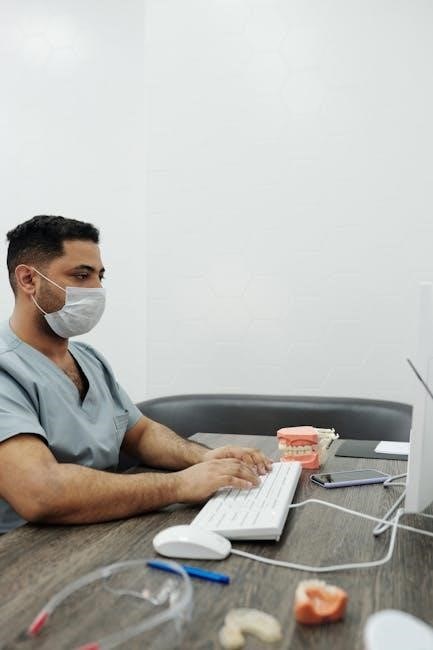
XIII. Maintaining a Welcoming Environment
Creating a positive atmosphere begins with a warm greeting and friendly demeanor. Ensure the reception area is clean, organized, and inviting. Offer patients comfortable seating and reading materials. Address patients by name, demonstrating personalized attention. Be mindful of patient anxieties and offer reassurance.
A welcoming environment fosters trust and encourages patient loyalty. Maintain a professional appearance and positive body language. Respond promptly to patient needs and inquiries. Show empathy and understanding. A positive first impression sets the tone for a successful patient experience.
XIV. Understanding Dental Terminology
Familiarity with dental terms is crucial for effective communication. Learn common procedures like scaling, root planing, and extractions. Understand diagnostic terms such as caries, gingivitis, and periodontitis. Be able to accurately relay information to patients regarding their treatment plans. Knowing terminology builds confidence and professionalism.
Accurate use of dental language minimizes misunderstandings. Master abbreviations used in charting and billing. Understand the difference between crowns, bridges, and veneers. This knowledge allows for seamless interactions with the dental team and patients, ensuring clear and concise communication throughout the practice.
XV. Legal and Ethical Considerations
Maintaining patient confidentiality is paramount, adhering strictly to HIPAA regulations regarding Protected Health Information (PHI). Understand the legal implications of discussing patient cases, even with family members, without proper authorization. Ethical conduct demands honesty and integrity in all interactions, including billing and insurance procedures.
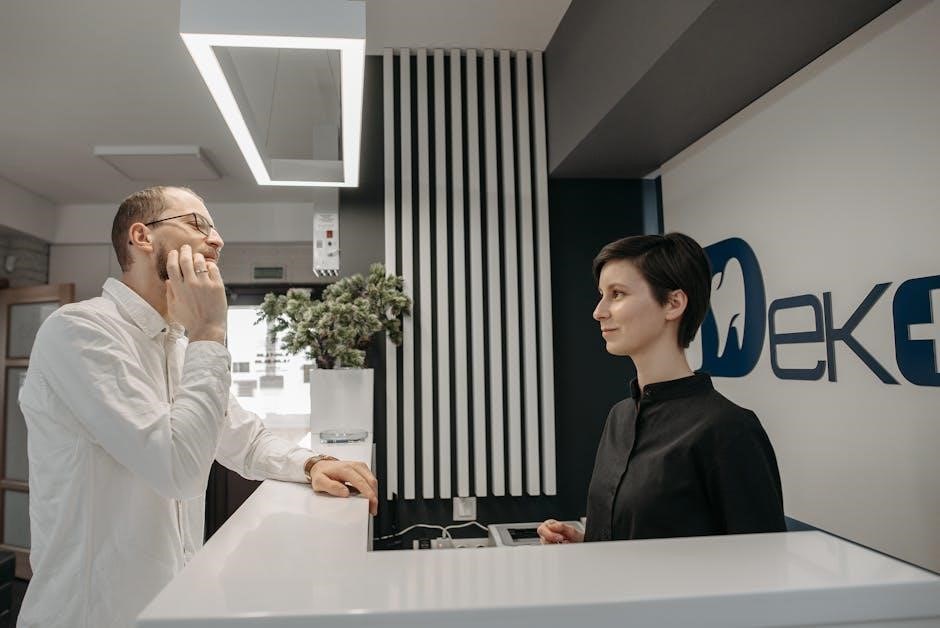
Be aware of patient rights and informed consent protocols. Recognize the importance of accurate record-keeping for legal defensibility. Avoid making medical diagnoses or providing treatment advice, referring such inquiries to the dentist. Upholding these standards protects both the practice and the patient.
XVI. Practice-Specific Policies & Procedures
Familiarize yourself thoroughly with the practice’s unique operational guidelines, including appointment protocols, cancellation fees, and payment methods. Understand the specific procedures for handling emergency situations, such as medical emergencies or disruptive patients. Adhere to the practice’s dress code and professional conduct standards, representing the clinic positively.
Learn the specific software and systems used for scheduling, billing, and record-keeping; Know the protocols for verifying insurance eligibility and processing claims; Consistent application of these policies ensures smooth operations and a standardized patient experience, reflecting the practice’s commitment to quality care.
XVII. Continuing Education & Professional Development
Commit to ongoing learning to enhance skills and stay current with industry best practices. Participate in workshops, seminars, and online courses focused on dental front desk procedures, communication techniques, and software updates. Explore opportunities for certification in relevant areas, such as medical billing or HIPAA compliance.
Regularly review practice policies and procedures to ensure understanding and adherence. Seek mentorship from experienced colleagues and actively participate in team training sessions. Proactive professional development demonstrates dedication to providing exceptional patient care and contributes to a thriving practice environment.
XVIII. Security Protocols for Patient Data
Protecting patient information is paramount; strict adherence to HIPAA regulations is mandatory. Implement robust security measures for all patient records, both physical and digital, including secure password protocols and limited access controls. Regularly back up data to prevent loss or compromise, and ensure all workstations are protected with updated antivirus software.
Train all staff on data privacy policies and procedures, emphasizing the importance of confidentiality. Report any suspected breaches of security immediately, and maintain a detailed audit trail of all data access. Prioritize patient trust by demonstrating a commitment to data security.
XIX. Utilizing Technology for Enhanced Efficiency
Mastering dental practice management software is crucial for streamlined operations. Effectively utilize scheduling features to optimize appointment bookings and minimize gaps, while leveraging digital tools for patient communication and reminders. Embrace online portals for secure patient access to records and forms, reducing paperwork and improving convenience.
Explore electronic billing and insurance verification systems to accelerate claim processing and reduce errors. Regularly update software and hardware to maintain optimal performance and security. Training on new technologies is essential, empowering staff to maximize efficiency and deliver exceptional patient care.